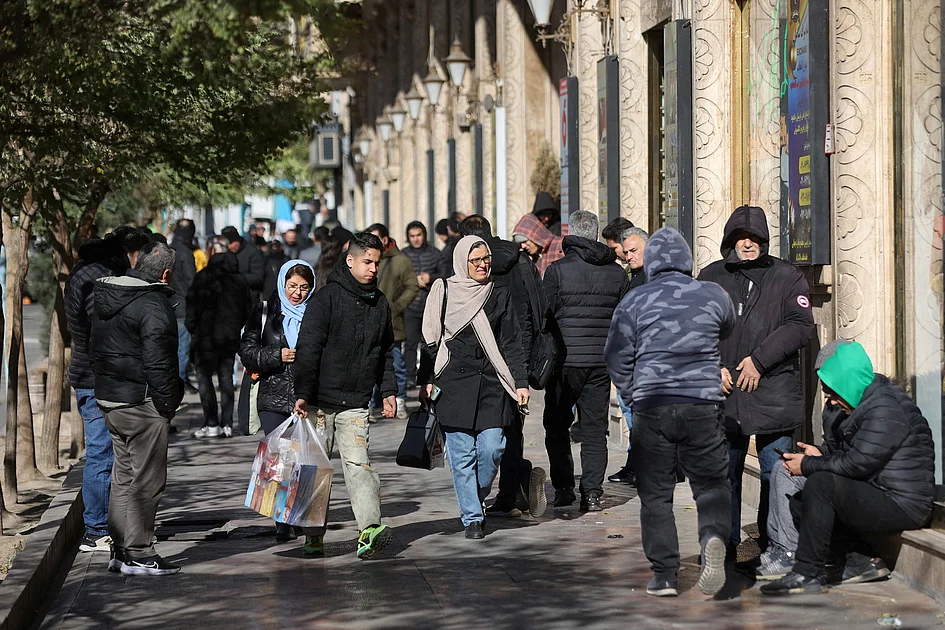
Iran has been plunged into a new wave of civil unrest as nationwide protests over a severe economic crisis turned fatal, marking the most significant challenge to the clerical establishment in three years. Multiple casualties have been reported following violent clashes between security forces and demonstrators across several regions.
According to reports from the semi-official Fars news agency and the human rights organization Hengaw, fatalities occurred in the western city of Lordegan. Official authorities confirmed one death in Kuhdasht, while Hengaw documented an additional fatality in Iran’s central Isfahan province. The Revolutionary Guards acknowledged that one member of its Basij paramilitary volunteer unit was killed and thirteen others wounded in Kuhdasht, attributing the violence to demonstrators who allegedly exploited the protest atmosphere.
The current turmoil represents a dangerous escalation from initial demonstrations that began on Sunday when merchants and shopkeepers initiated strikes to protest the government’s handling of a catastrophic currency devaluation and spiraling inflation. The protests have since expanded to include student demonstrations and widespread bazaar closures, prompting the government to declare an official holiday on Wednesday citing cold weather conditions.
This outbreak of civil disobedience occurs at a particularly vulnerable moment for Iran’s leadership. The nation’s economy has been crippled by comprehensive Western sanctions targeting its nuclear program, exacerbated by a costly 12-day aerial conflict with Israel in June 2025. These cumulative pressures have devastated Iran’s financial stability, with the national currency losing approximately half its value against the U.S. dollar throughout 2025 while inflation surged to 42.5 percent by December.
In response to the escalating crisis, government spokesperson Fatemeh Mohajerani announced plans for direct dialogue with trade union and merchant representatives, signaling a potential conciliatory approach alongside the established security crackdown. Historically, Iranian authorities have employed stringent security measures and mass arrests to suppress protests concerning economic hardship, environmental crises, and civil liberties.
The international community continues to monitor the situation closely as developments unfold across multiple Iranian provinces including Kermanshah, Khuzestan, and Hamedan, where Hengaw reports numerous detentions have occurred.