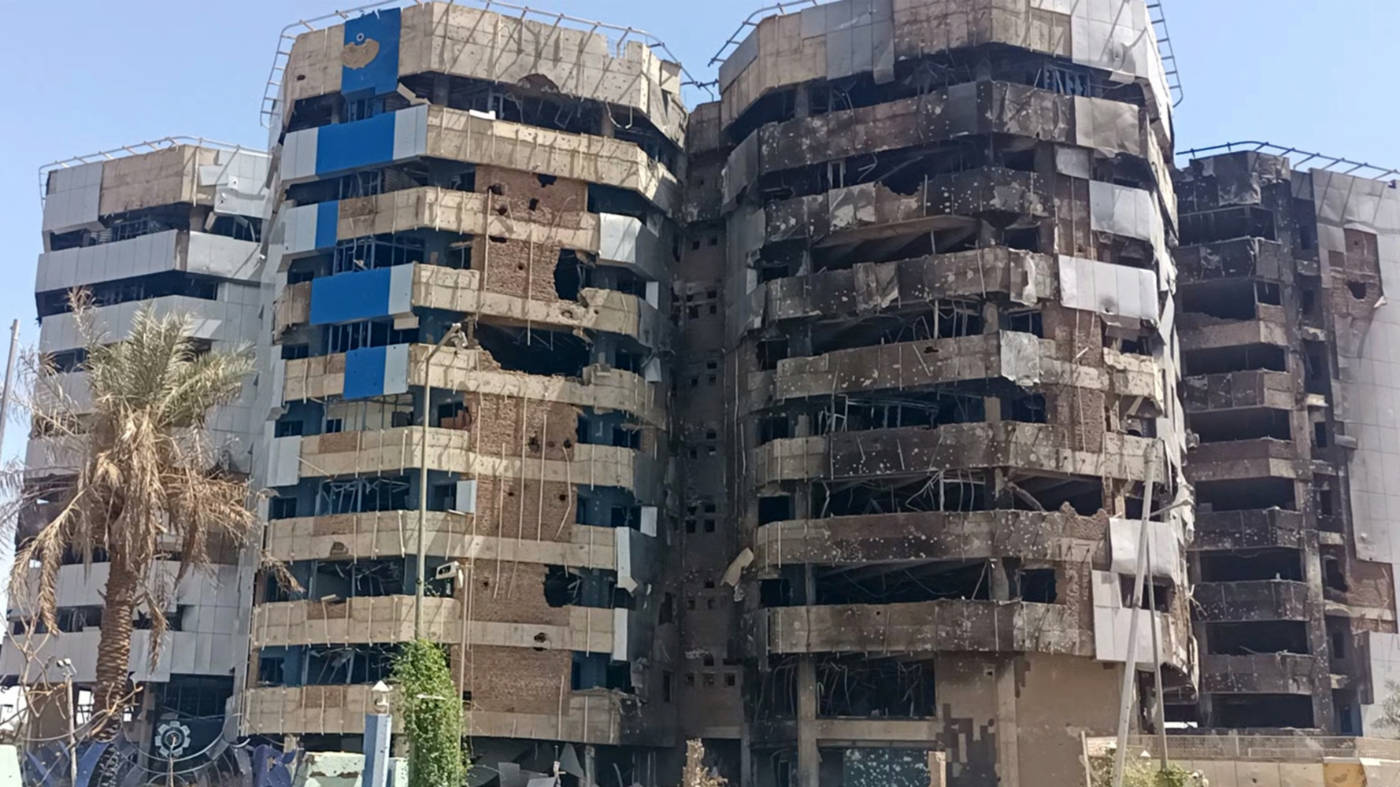
Sudan has been engulfed in a catastrophic civil war since April 2023, resulting in thousands of fatalities and displacing approximately 13 million people. The conflict pits the paramilitary Rapid Support Forces (RSF) against the Sudanese Armed Forces (SAF), with both factions facing severe allegations of war crimes and human rights violations.
The RSF, commanded by Mohamed Hamdan ‘Hemedti’ Dagalo, stands accused of orchestrating mass killings in el-Fasher and systematic atrocities against civilians. Meanwhile, the SAF, led by General Abdel Fattah al-Burhan, has similarly been implicated in ethnic-based violence and chemical weapons usage, according to U.S. sanctions.
This devastating conflict originated from the fractured alliance between Burhan and Hemedti, who previously collaborated to oust long-term ruler Omar al-Bashir in 2019. Their partnership dissolved in 2023 amid disputes over integrating the RSF into the national army, triggering widespread violence that has fractured the nation.
International dimensions complicate the conflict, with the United Arab Emirates facing credible accusations of supplying advanced weaponry to the RSF despite UN arms embargoes. The Sudanese government formally charged the UAE with complicity in genocide at the International Criminal Court in April 2025, though the case was dismissed on technical grounds.
Regional actors have aligned with the warring factions: the UAE backs the RSF while Egypt and Saudi Arabia maintain ties with the SAF. The conflict has drawn in various armed groups, including former Darfur rebels and the Sudan People’s Liberation Army-North, which has allied with the RSF.
The humanitarian situation remains dire, with numerous ceasefire proposals rejected by both sides. International diplomatic efforts have stalled as violence continues to escalate, creating one of the world’s most severe displacement crises and drawing condemnation from human rights organizations worldwide.