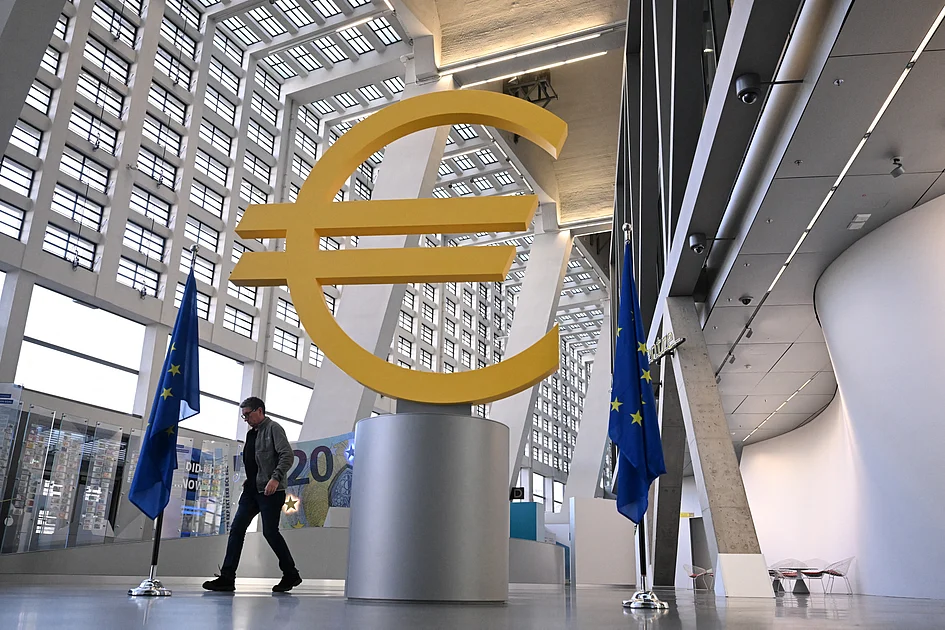
In a historic shift from previous tightening policies, the world’s major central banks have executed their most substantial coordinated monetary easing since the global financial crisis. Throughout 2025, nine out of ten G10 central banks—including the Federal Reserve, European Central Bank, and Bank of England—implemented 32 separate rate reductions totaling 850 basis points. This represents the most extensive easing effort since 2009, marking a dramatic reversal from the aggressive rate hikes of 2022-2023 that aimed to combat post-Ukraine invasion inflation.
Japan emerged as the sole exception among developed economies, implementing two rate increases during the year. The easing momentum extended vigorously across emerging markets, where policymakers delivered 3,085 basis points of cuts through 51 separate moves—significantly exceeding 2024’s total and representing the largest emerging market easing initiative since at least 2021.
Despite this aggressive easing, analysts detect shifting sentiments heading into 2026. Recent months have witnessed a notable change in rhetoric from several G10 central banks, particularly the Reserve Bank of Australia and Bank of Canada, with some institutions now contemplating potential rate hikes. TD Securities’ Global Macro Strategy Head James Rossiter projects that ‘the ECB will hike next year and the RBA and BOC will get close to it.’
This potential policy pivot reflects evolving assessments of labor market conditions and inflation dynamics. JPMorgan’s Global Macro Research Head Luis Oganes notes that while 2025 featured exclusively neutral or cutting Fed policies, 2026 will likely introduce ‘a little bit more of a two-sided risk,’ particularly during the latter half of the year.
The December meetings already demonstrated this shifting landscape, with only the Fed and BOE implementing cuts among developed nations while Japan tightened. Emerging markets maintained their aggressive easing posture, with eight central banks from a sample of 18 developing economies delivering 350 basis points of cuts in December alone.