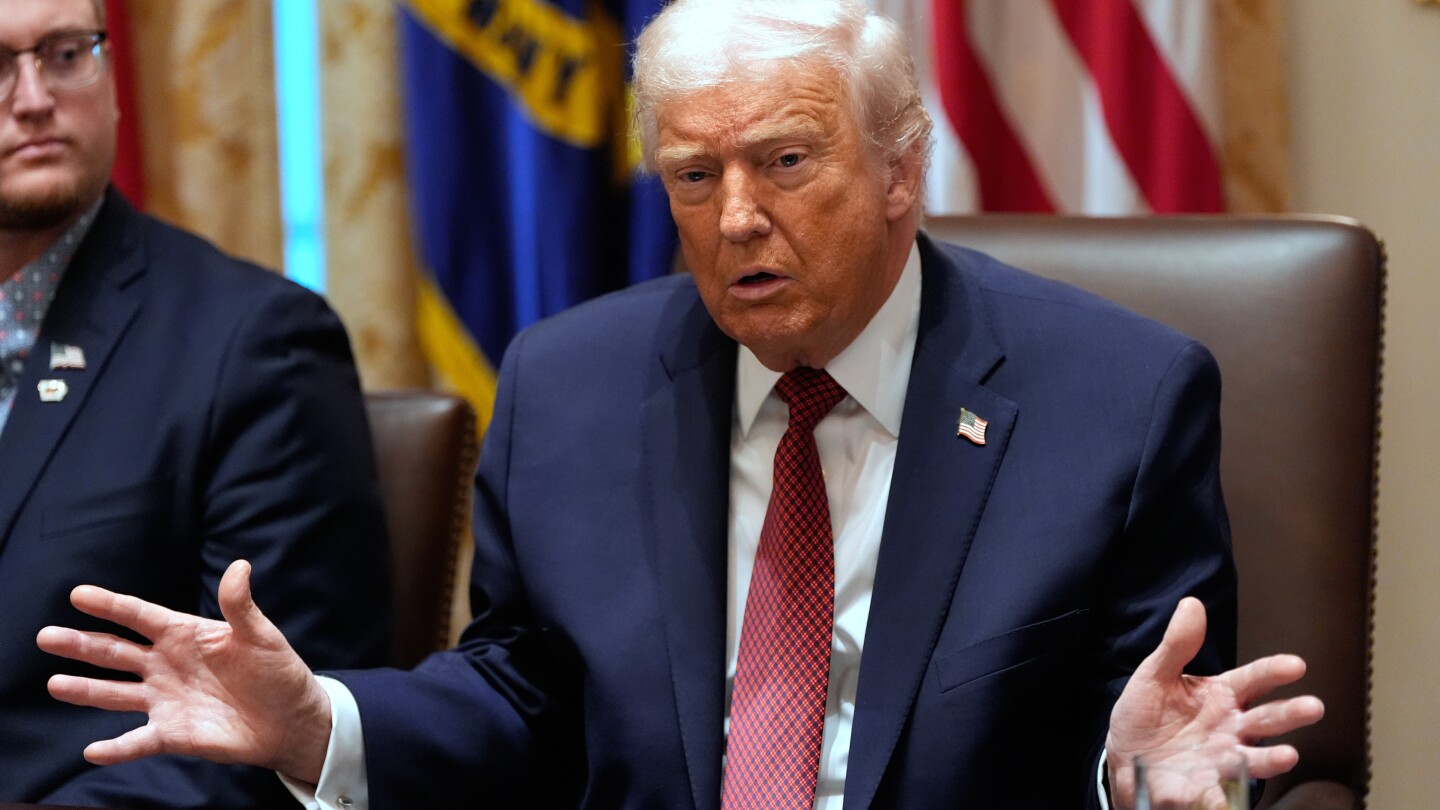
The U.S. Department of Agriculture has finalized payment rates for its $12 billion agricultural relief program, providing crucial details to farmers grappling with trade war disruptions. The aid package, announced by the Trump administration earlier this month, establishes specific per-acre compensation rates: $48.11 for sorghum, $44.36 for corn, and $30.88 for soybeans—the crop most severely impacted by China’s cessation of American agricultural purchases.
While officials guarantee payments will reach farmers by February’s end, the timing presents logistical challenges. Most agricultural producers have already secured financing and placed orders for next season’s seeds and fertilizers before learning their specific aid allocations. The compensation formula, based on USDA production cost calculations, aims to help farmers withstand trade disruptions until two key developments materialize: China’s fulfillment of its October agreement to resume soybean purchases and the implementation of provisions within Trump’s massive budget bill.
Agricultural leaders acknowledge the assistance but emphasize its limitations. Kentucky soybean farmer Caleb Ragland, former president of the American Soybean Association, characterized the payments as “a Band-Aid on a deep wound,” stressing that market competition and expanded opportunities remain essential for long-term viability. National Corn Growers Association President Jed Bower echoed these concerns, noting that multiple years of low corn prices and high input costs have created sustained financial pressure across the industry.
The relief program includes $11 billion for row crop producers with an additional $1 billion reserved for specialty crops and sugar, though details for these allocations remain pending. Eligibility restrictions cap payments at $155,000 per farmer or entity, excluding operations with adjusted gross incomes exceeding $900,000—a provision designed to prevent large-scale operations from exploiting loopholes that previously allowed some farms to collect millions in aid.
Despite the challenges, most farmers maintain support for the administration, believing improved trade deals will ultimately emerge from current negotiations. Recent purchases by China have provided encouragement, with over 1 million metric tons of sorghum and approximately 6.6 million metric tons of soybeans acquired in recent weeks, though Beijing has not formally confirmed its commitment to purchase 12 million metric tons by February as announced by the White House.