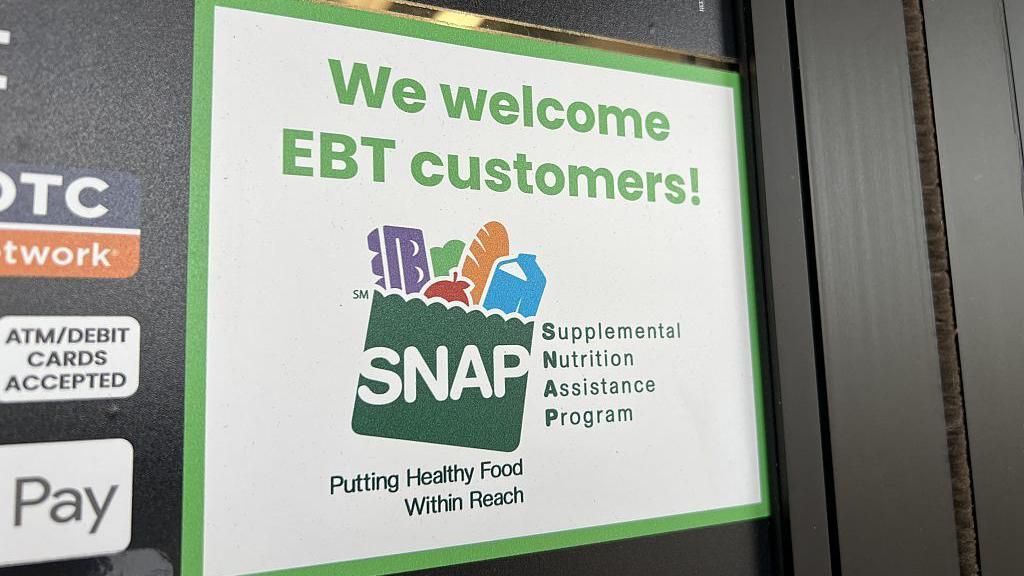
A significant policy shift affecting millions of low-income Americans begins January 1st, 2026, as multiple U.S. states implement new restrictions on what can be purchased with government food assistance benefits. West Virginia, Utah, Indiana, Iowa, and Nebraska are leading this initiative that prohibits the purchase of sugar-sweetened beverages and candy through the Supplemental Nutrition Assistance Program (SNAP).
The movement, championed by Health Secretary Robert F. Kennedy Jr. and Agriculture Secretary Brooke Rollins, represents a fundamental rethinking of how taxpayer-funded nutrition programs operate. “For years, SNAP has used taxpayer dollars to fund soda and candy – products that fuel America’s diabetes and chronic disease epidemics,” Kennedy stated, highlighting the public health rationale behind the restrictions.
While SNAP historically allowed beneficiaries to purchase most grocery items except hot foods, tobacco, alcoholic beverages, and supplements, the new regulations create substantially tighter constraints. The implementation varies by state: West Virginia and Utah will ban sodas; Nebraska will prohibit both sodas and energy drinks; Indiana will restrict sodas and candy; while Iowa adopts the most comprehensive approach by banning soda, candy, and other pre-packaged foods subject to state sales tax, including chocolate-coated nuts and sweet popcorn.
This initial wave of restrictions marks just the beginning of a broader national trend. Eighteen states have submitted waiver requests to implement similar limitations, with Florida and Texas scheduled to begin restrictions in April, South Carolina in August, and Missouri in October.
The policy changes impact approximately 42 million Americans—roughly 12% of the population—who rely on SNAP benefits for nutritional support. Critics argue that these restrictions will create operational challenges for both retailers and recipients. Crystal FitzSimons, president of the Food Research & Action Center, warned that “SNAP restrictions will create more harm, confusion, and chaos for program participants who are still reeling from the government shutdown that unnecessarily delayed the delivery of benefits.”
The debate continues as public health objectives confront practical implementation concerns, potentially reshaping food assistance programs across the United States throughout 2026.