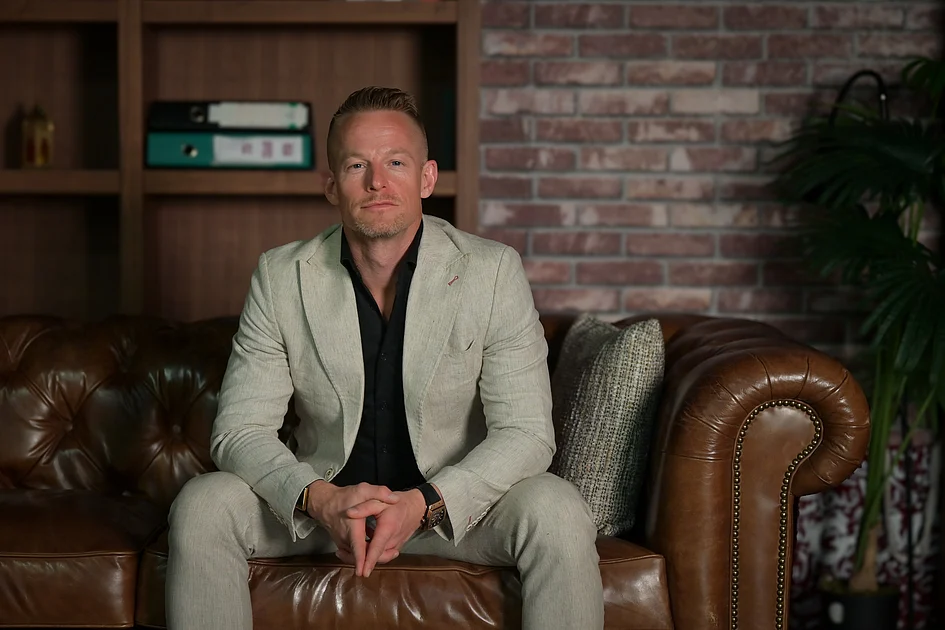
As 2026 approaches, conventional New Year’s resolution strategies face rigorous scientific challenge from leading breathwork specialist Dr. Espen Wold-Jensen. The Norwegian researcher, who combines quantum physics with conscious business mentoring, argues that sustainable personal transformation requires nervous system mastery rather than superficial habit changes.
Dr. Wold-Jensen’s methodology emerged from profound personal adversity. Growing up in traumatic circumstances in Norway, followed by a near-fatal 2006 motorcycle accident in Australia that nearly cost him his leg, he discovered breathwork’s transformative potential during medical crisis. His recovery, which he describes as “an emotional detox clearing decades of stored trauma in minutes,
forms the foundation of his current practice.
The specialist identifies chronic “sympathetic dominance” – the body’s fight-or-flight mode – as the primary obstacle to meaningful change. “Stress isn’t just a ‘feeling’, it’s a physiological state that suppresses immunity, digestion, cognition, and healing,” he explains. Modern lifestyles reinforce this through shallow mouth breathing, which activates stress responses, unlike nasal breathing that promotes parasympathetic activation for recovery and creativity.
Dr. Wold-Jensen proposes three evidence-based practices for 2026:
1. The 30-Day Nasal Breathing Challenge: Consciously replacing mouth breathing with nasal respiration to recalibrate autonomic nervous system function
2. Emotional Auditing: Seven-day journaling to identify primary emotional states using Dr. David Hawkins’ Scale of Consciousness model
3. Tech-Free Morning Practice: 60-90 minutes of device-free time upon waking to prevent cortisol spikes and establish intentional daily foundation
With Generation Z reporting unprecedented anxiety levels and lifestyle-related chronic diseases increasing, Dr. Wold-Jensen emphasizes that breathwork serves as accessible biological technology. “We can be victims of our story, or we can choose to be masters of our destiny,” he concludes. “This doesn’t negate trauma’s pain, but allows transforming pain into power through the superpower hidden right underneath our noses.”