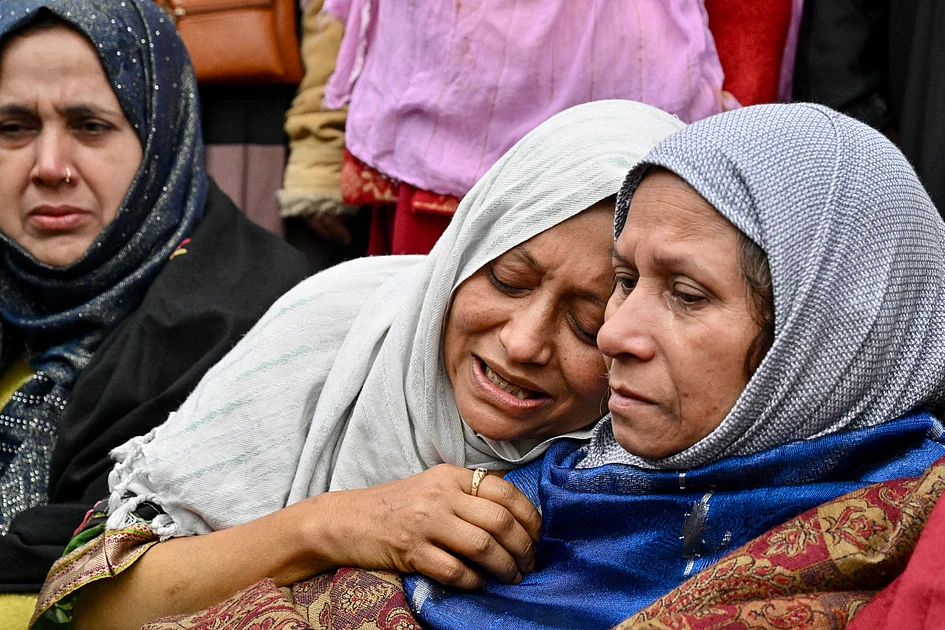
Bangladesh has initiated three days of national mourning to honor former Prime Minister Khaleda Zia, who passed away Tuesday at age 80. The government will conduct an elaborate state funeral ceremony on Wednesday afternoon, with prayers scheduled outside the national parliament building in Dhaka.
As the first female prime minister of this South Asian nation of 170 million people, Zia pioneered women’s leadership in Bangladeshi politics. Her educational stipend programs for girls transformed opportunities for female students nationwide. Despite significant health challenges and political imprisonment in recent years, Zia remained politically active until her final days, with nomination papers filed on her behalf for upcoming February elections just hours before her death.
The current interim government under Nobel laureate Muhammad Yunus acknowledged Zia as “a great guardian” of the nation, recognizing her role in repeatedly restoring democratic governance. Security forces have been extensively deployed throughout the capital, with flags flying at half-mast as the country prepares for anticipated large public gatherings.
Zia’s son, Tarique Rahman, recently returned from 17 years abroad and is viewed as a potential prime ministerial candidate should their Bangladesh Nationalist Party secure victory in the upcoming elections. The funeral will see diplomatic representation from regional powers, with both Indian and Pakistani foreign ministers attending—marking significant diplomatic engagements since the overthrow of Zia’s longtime rival, Sheikh Hasina, last year.
Zia’s body will be laid to rest beside her late husband, President Ziaur Rahman, who was assassinated in 1981. Her political career spanned decades, featuring both historic achievements and intense rivalry with Hasina’s Awami League, which continues to operate from exile after Hasina’s recent conviction and forced departure from power.