Israel’s Ministry of Diaspora Affairs and Combating Antisemitism announced on Tuesday its decision to suspend multiple humanitarian organizations operating in Gaza effective January 1, 2025. The regulatory action targets groups that allegedly failed to comply with enhanced security protocols requiring detailed employee information to prevent potential terrorist affiliations.
The ministry stated that affected organizations had received formal notifications regarding license revocations after demonstrating what officials characterized as insufficient cooperation. These groups reportedly refused to submit comprehensive lists of their Palestinian staff members, preventing authorities from conducting necessary security vetting procedures.
According to official statements, the suspended organizations—whose identities remain undisclosed—must completely cease operations by March 1. Ministry representatives emphasized that these groups had been given a ten-month compliance window but ultimately failed to meet updated regulatory requirements governing international NGOs in Palestinian territories.
In a significant development, the ministry specifically implicated Doctors Without Borders (Médecins Sans Frontières or MSF), alleging that two employees maintained connections with militant organizations. Officials claimed one individual was identified as a Palestinian Islamic Jihad member in June 2024, while another was allegedly a Hamas sniper as of September 2024. The ministry asserted that MSF failed to provide complete disclosure regarding these individuals’ identities and roles despite repeated requests.
MSF responded to these allegations by stating the organization would never knowingly employ individuals engaged in military activities, noting such affiliations would endanger both staff and patients. The medical charity confirmed ongoing registration discussions with Israeli authorities but clarified it had not yet received formal re-registration decisions.
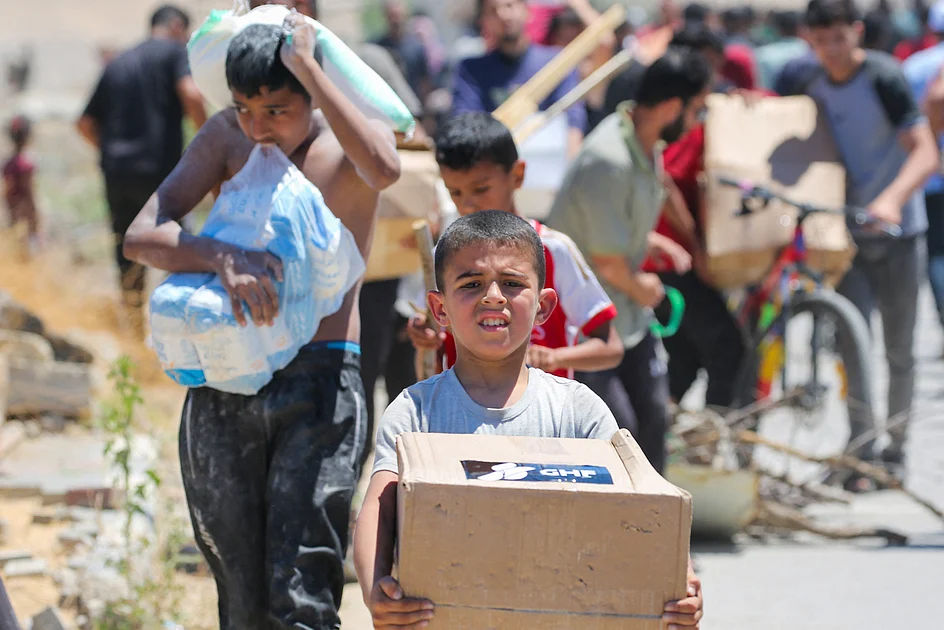
The ministry maintained that these measures would not significantly disrupt humanitarian aid distribution, estimating that fewer than 15% of operating organizations violated the updated regulatory framework. However, multiple NGOs have expressed concerns to international media about substantial impacts on aid distribution capabilities throughout Gaza.
This regulatory tightening occurs amid ongoing humanitarian challenges in the region. Despite October ceasefire agreements stipulating 600 daily aid trucks, current figures range between 100-300 trucks according to United Nations and NGO reports, creating significant supply shortages for Gaza’s population.