United Nations aid personnel have finally gained access to Sudan’s el-Fasher city, only to discover a landscape of devastation following its capture by the paramilitary Rapid Support Forces (RSF). Senior UN official Denise Brown, the UN Resident and Humanitarian Coordinator for Sudan, characterized the scene as a “crime scene” with remarkably few survivors remaining after the violent takeover.
The carefully negotiated entry, which occurred on Friday after weeks of diplomatic efforts, revealed a city largely emptied of its population. Brown expressed particular concern for injured individuals who remained unseen during the assessment and those potentially detained by the paramilitary forces. The visit’s primary objective was to evaluate whether safe humanitarian access could be established for delivering essential supplies to the devastated region.
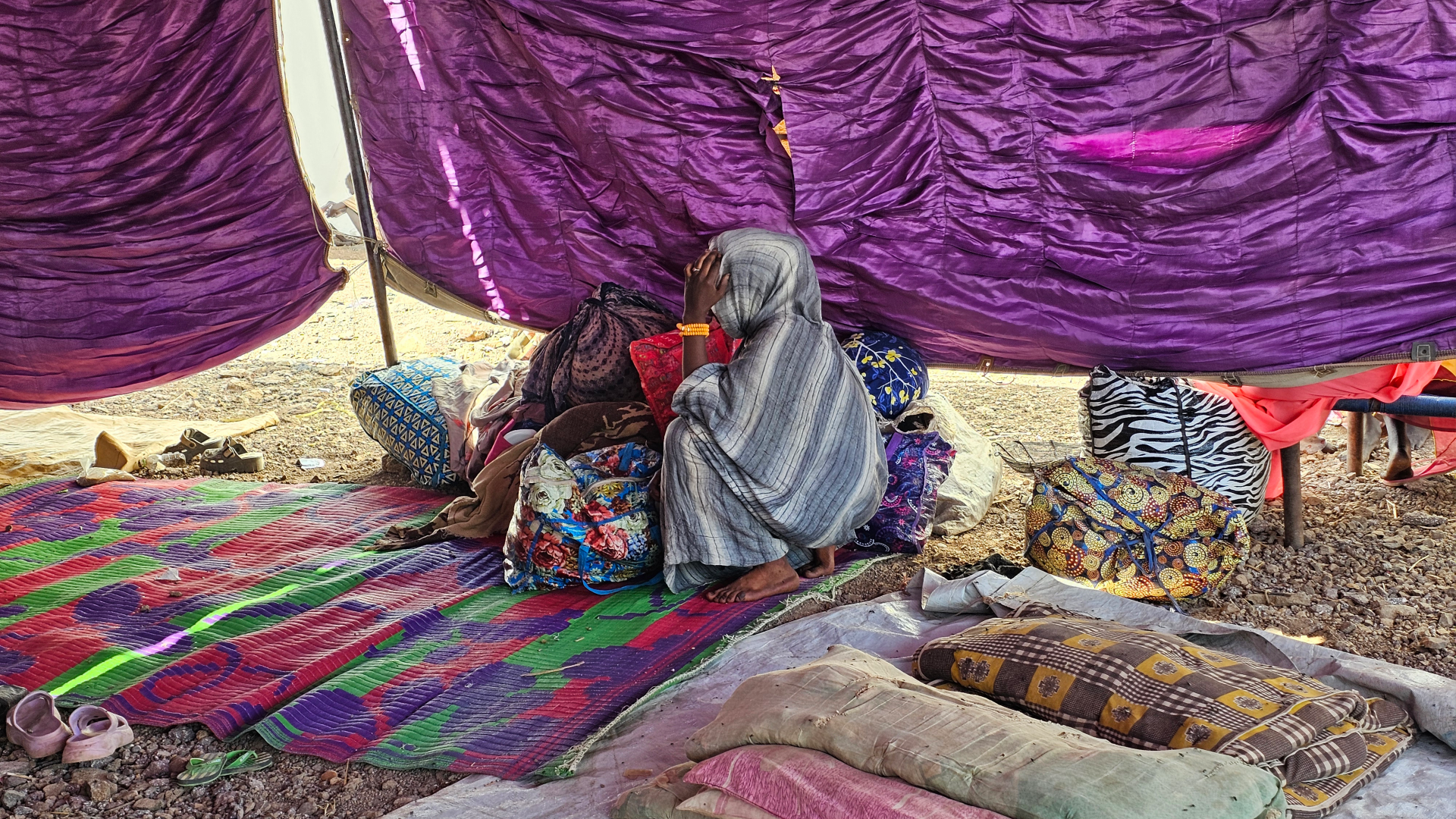
According to displacement estimates, over 100,000 residents have fled el-Fasher since late October when the RSF, after maintaining a 500-day siege, wrested control from the Sudanese Armed Forces and their allied Joint Forces. Those who remained were typically individuals too elderly, ill, or severely injured to attempt escape.
Disturbing evidence compiled by the Yale Humanitarian Research Lab indicates the RSF has engaged in systematic efforts to conceal mass atrocities, including the destruction of evidence through burial and burning of victims. Multiple witnesses have reported to Middle East Eye that the paramilitary group has conducted mass executions targeting specific ethnic groups and perceived political opponents, alongside widespread incidents of sexual violence.
Survivor testimonies describe horrific scenes, with one witness recounting how RSF forces methodically entered neighborhoods and opened fire on civilians. Another survivor reported extortion attempts, with family members detained until substantial ransoms were paid.
The scale of violence has been so extensive that satellite imagery analysis has identified 38 distinct locations showing reddish discoloration consistent with blood spills visible from space. This episode represents one of the most brutal chapters in Sudan’s conflict that began in April 2023, creating what the UN has classified as the world’s most severe humanitarian crisis.
International attention has increasingly focused on the United Arab Emirates’ alleged role as the primary sponsor of the RSF, despite Abu Dhabi’s consistent denials. The UAE now faces accusations of complicity in genocide at the International Court of Justice, though jurisdictional issues have complicated the case filed by the Sudanese government in April.
The atrocities in el-Fasher have triggered global condemnation, with coordinated protests and targeted lobbying campaigns against the UAE emerging worldwide. In London’s Oxford Street, billboards have appeared directly linking the Emirates to the Sudan conflict, signaling growing international awareness and outrage over the humanitarian catastrophe.