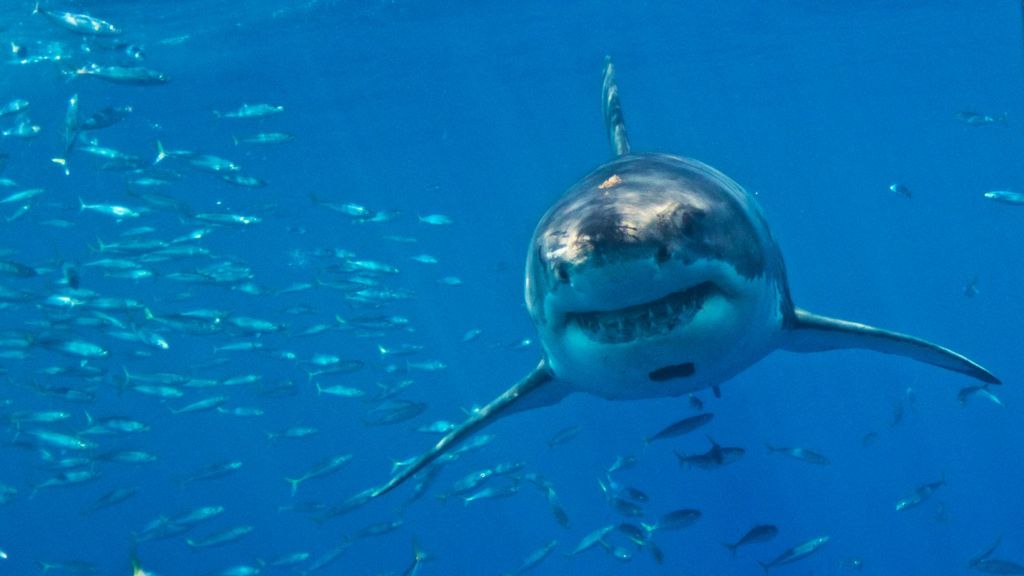
The iconic great white shark population in the Mediterranean Sea is teetering on the brink of extinction, according to a groundbreaking joint investigation by Virginia Tech scientists and the UK-based Blue Marine Foundation. Their research reveals that rampant illegal fishing operations in North African coastal waters have decimated these protected predators, with at least 40 great whites killed in 2025 alone despite international protection laws.
Through systematic monitoring of fishing ports and verification of social media evidence, researchers documented protected shark species being openly sold in fish markets across Tunisia and Algeria. Disturbing footage shows large great whites being hauled ashore in Algeria and the fins of critically endangered short-finned mako sharks prepared for sale in Tunisian markets.
Dr. Francesco Ferretti, lead researcher from Virginia Tech, describes the Mediterranean as the world’s most intensely fished body of water, where industrial fishing pressure has pushed white sharks to critically endangered status. ‘The impact has been intensifying… it’s plausible they will go extinct in the near future,’ he warned during fieldwork off Sicily’s coast.
In a desperate attempt to study remaining specimens, researchers deployed an unprecedented effort in the Strait of Sicily—identified as a potential last refuge for Mediterranean sharks. They utilized three tonnes of fish bait, 500 liters of tuna oil, and advanced DNA sampling techniques over two weeks, yet captured only a single brief glimpse of one blue shark on submarine cameras.
The conservation crisis is compounded by complex enforcement challenges. While 24 shark species enjoy international protection under agreements signed by the EU and 23 Mediterranean nations, enforcement varies dramatically. The regulations prohibit retention, transshipment, or sale of protected species but fail to adequately address accidental bycatch.
James Glancy of Blue Marine Foundation, who documented protected sharks in Tunisian markets, noted the paradoxical hope in finding sharks for sale: ‘It shows there is wildlife left. And if we can preserve this, there is chance of recovery.’
Local experts highlight the socioeconomic dimensions of the crisis. Sara Almabruk of the Libyan Marine Biology Society explains that North African fishers often face impossible choices between conservation and feeding their families. ‘Why would they throw sharks back into the sea when they need food for their children?’ she asked, advocating for sustainable fishing training programs.
Researchers conclude that only immediate, coordinated international action can prevent the permanent loss of these apex predators from Mediterranean ecosystems, emphasizing that preservation efforts must address both conservation needs and local economic realities.