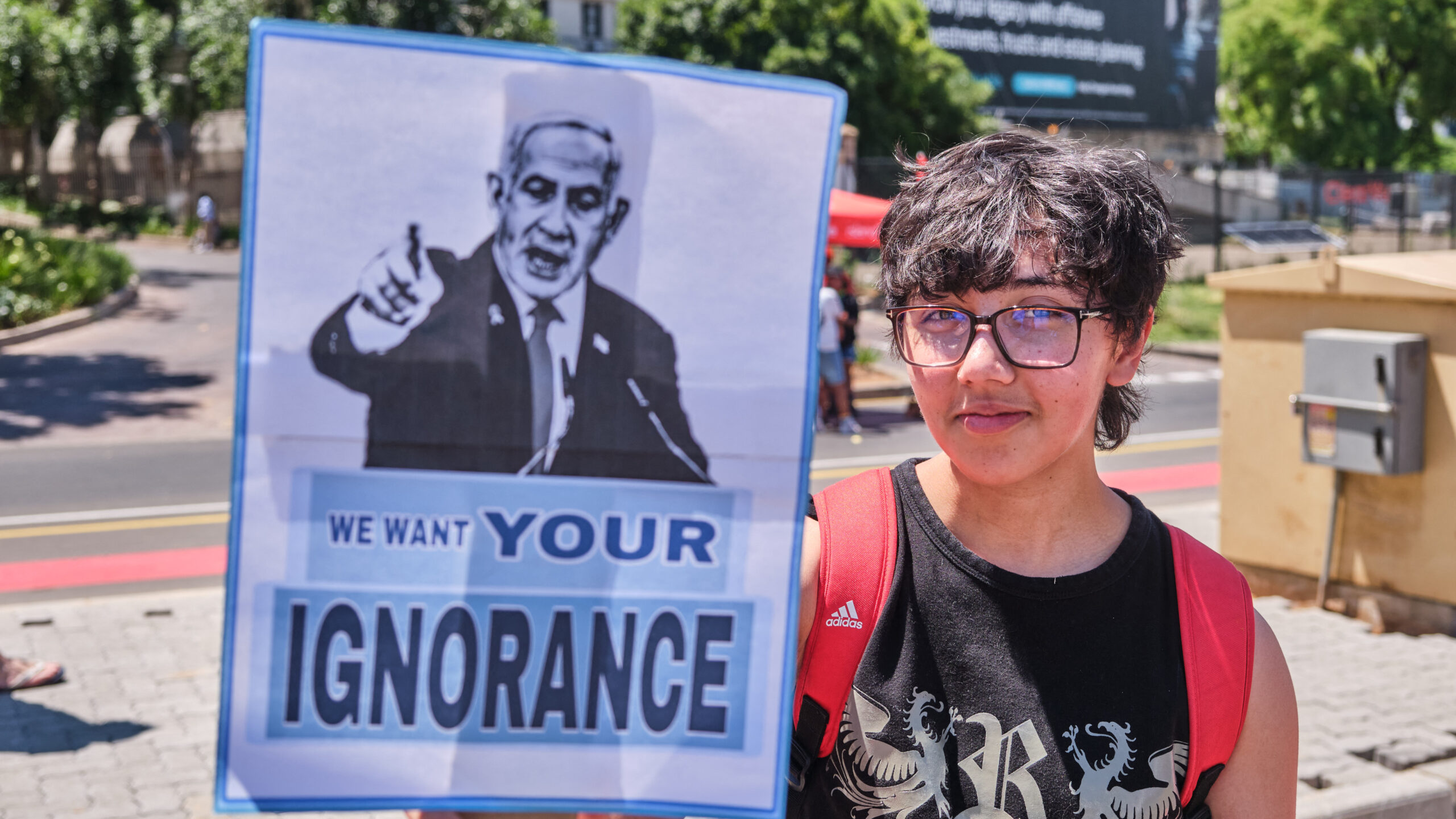
International condemnation has mounted against Israeli Prime Minister Benjamin Netanyahu for his controversial assertion that Australia’s recognition of Palestinian statehood contributed to the deadly Sydney attack that killed 15 people. The political firestorm erupted after Netanyahu revealed he had previously warned Australian Prime Minister Anthony Albanese that his government’s policy was “promoting and encouraging antisemitism” and would “pour fuel on the antisemitic fire.”
The tragedy unfolded when two gunmen opened fire during a Hanukkah celebration at Sydney’s Bondi Beach on Sunday, leaving multiple others wounded in one of Australia’s deadliest antisemitic attacks. Netanyahu immediately connected the massacre to Australia’s diplomatic stance, claiming recognition of Palestine “rewards Hamas terrorism” and “emboldens those who menace Australian Jews.”
Prime Minister Albanese firmly rejected this connection in an ABC interview, stating: “No, I don’t perceive a link, and overwhelmingly, most of the world recognises a two-state solution as being the way forward in the Middle East.” This position received substantial support across social media platforms, where users widely criticized Netanyahu’s logic as flawed and politically motivated.
United Nations Special Rapporteur on Human Rights and Counter Terrorism Ben Saul expressed being “disgusted” by Netanyahu’s allegations, emphasizing that “Australia has taken extensive measures to prevent anti-semitism.” Prominent voices including Israeli-American academic Shaiel Ben-Ephraim and journalist Barry Malone accused Netanyahu of exploiting tragedy to advance political objectives, with Malone noting the consistent “weaponisation” of antisemitic attacks reduces victims to “political pawns.”
The digital backlash highlighted concerns that Netanyahu’s comments undermine genuine efforts against antisemitism while attempting to legitimize Israel’s military actions in Gaza. Many social media users characterized the response as “predictable” and “morally obscene,” arguing it represents a cynical conflation of Palestinian statehood with antisemitic violence.