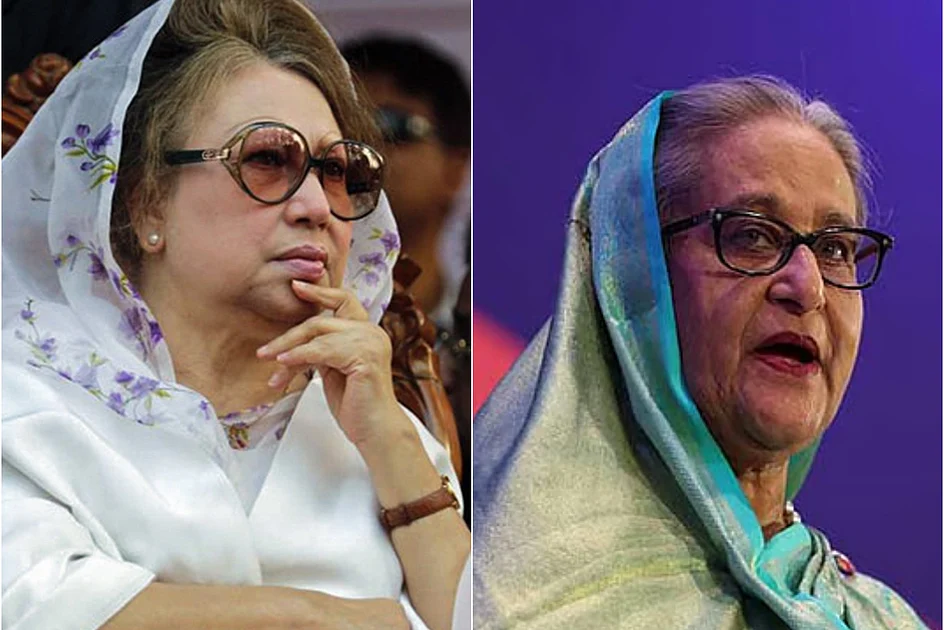
Bangladesh entered a period of national mourning following the passing of former Prime Minister Begum Khaleda Zia, who died at age 80 during treatment at Evercare Hospital in Dhaka. The three-time premier and first female head of government in Bangladeshi history succumbed to multiple health complications in the early hours of Tuesday, December 30, 2025, shortly after dawn prayers.
In a remarkable demonstration of political reconciliation, Prime Minister Sheikh Hasina—her longstanding political rival and leader of the opposing Awami League—issued a comprehensive statement honoring Zia’s legacy. Hasina recognized Zia’s pioneering role as the nation’s first woman premier and acknowledged her substantial contributions to Bangladesh’s democratic development and political landscape. The carefully worded tribute emphasized Zia’s historical significance beyond partisan politics.
The Bangladesh Nationalist Party (BNP), which Zia led for decades, confirmed her passing through an official social media announcement. Zia had been hospitalized since November 23 with a severe lung infection, compounding existing conditions including cardiac issues, diabetes, liver cirrhosis, and kidney complications. Her medical situation had previously necessitated specialized treatment in London earlier this month.
The scene outside Evercare Hospital grew increasingly emotional as news of her death spread, with supporters gathering to pay respects. Zia’s son, Tarique Rahman—currently serving as BNP’s Acting Chairman—arrived at the medical facility to lead mourning arrangements.
Condolences extended beyond national borders, with Indian Prime Minister Narendra Modi recalling his 2015 meeting with Zia and highlighting her role in strengthening India-Bangladesh relations. Within Bangladesh, Muhammad Yunus, Chief Adviser of the interim government, described Zia as a ‘great guardian’ of the nation whose passing represents an irreparable loss to the country’s democratic traditions. Yunus’ message particularly emphasized that Zia transcended mere party leadership to embody a significant historical chapter in Bangladesh’s political evolution.