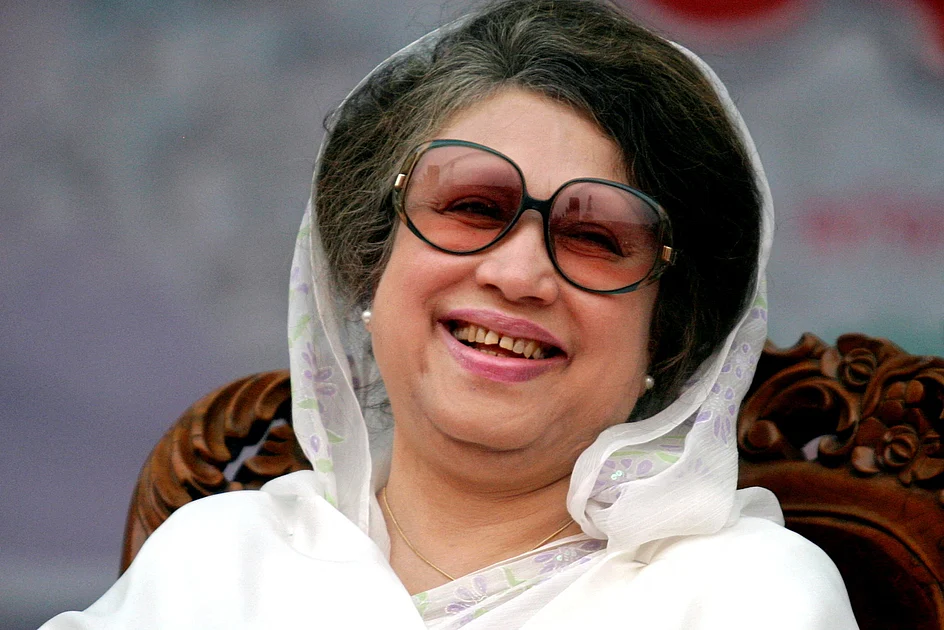
The South Asian political landscape mourned collectively on Tuesday as former Bangladeshi Prime Minister Begum Khaleda Zia passed away at age 80. The pioneering leader, who made history as Bangladesh’s first female head of government, breathed her last at Dhaka’s Evercare Hospital following prolonged health complications that included heart disease, diabetes, and multiple organ ailments.
Regional leaders transcended political differences to honor Zia’s legacy. Indian Prime Minister Narendra Modi expressed profound sorrow, recalling their 2015 meeting and emphasizing Zia’s “significant contributions to Bangladesh’s development and India-Bangladesh relations.” Modi stated her vision would continue guiding bilateral partnerships between the neighboring nations.
Pakistan’s Prime Minister Shehbaz Sharif characterized Zia as “a committed friend of Pakistan” whose lifelong service established an enduring legacy. His condolences highlighted the cross-border solidarity emerging from this moment of regional loss.
Domestic tributes emerged from across Bangladesh’s political spectrum. Current Awami League Chairperson Sheikh Hasina, despite historical political rivalries, acknowledged Zia’s groundbreaking role as first female premier and her contributions to democratic establishment. Nobel laureate Muhammad Yunus, former interim government adviser, described Zia as a “great guardian” of the nation and a defining figure in Bangladesh’s democratic evolution.
The scene outside Evercare Hospital reflected national sentiment as crowds gathered to pay respects. Zia’s son Tarique Rahman, acting chairman of her Bangladesh Nationalist Party (BNP), arrived to mourn his mother amidst supporters honoring the woman who reshaped the nation’s political consciousness through decades of public service.