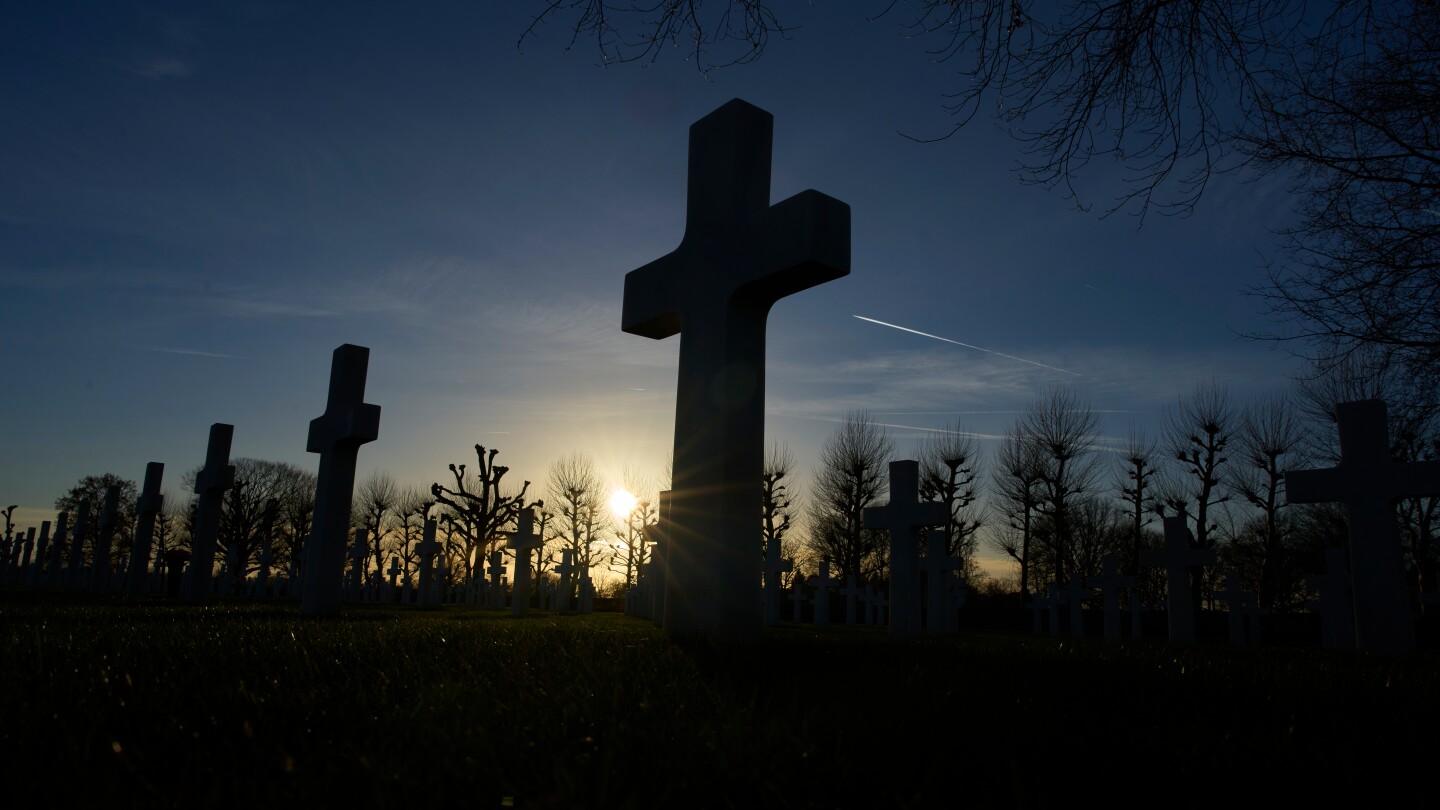
A contentious decision by the American Battle Monuments Commission to dismantle educational displays honoring Black American soldiers at the Netherlands American Cemetery in Margraten has sparked widespread condemnation and diplomatic tensions. The removal, executed discreetly earlier this year, eliminated two significant panels that chronicled the contributions of African American troops during World War II.
One display memorialized the heroic actions of 23-year-old Private George H. Pruitt, an African American soldier buried at the site who perished while attempting to rescue a fellow serviceman from drowning in 1945. The second panel documented the institutional racial segregation policies that defined the U.S. military throughout the conflict, despite approximately one million Black soldiers enlisting. These soldiers frequently performed grueling tasks—including an all-Black unit that excavated thousands of graves at Margraten during the devastating Hunger Winter of 1944-45 under German occupation.
The commission’s actions followed President Donald Trump’s executive orders terminating diversity, equity, and inclusion programs, with the administration declaring an end to ‘woke’ policies. Internal communications obtained through Freedom of Information Act requests by media outlets confirmed the direct link between these policies and the display removals.
Dutch officials, local communities, and descendants of both soldiers and liberators have expressed profound dismay. Cor Linssen, 79, whose father was a Black American soldier, emphasized the historical significance of these narratives: ‘It’s an important part of history. They should put the panels back.’ Linssen, who faced racial prejudice growing up in the Netherlands, recently visited the cemetery with other children of Black soldiers to view the displays shortly before their removal.
The controversy has drawn reactions from multiple levels of Dutch society. Theo Bovens, Dutch senator and chairman of the Black Liberators Foundation, noted the paradoxical nature of the removal, given that the commission itself had installed the panels in 2024. Local authorities in the Margraten region have formally demanded the restoration of the exhibits, while Dutch television programs have attempted to recreate the displays outside cemetery grounds.
The profound connection between the Dutch people and the fallen soldiers remains evident through the ongoing grave adoption program, where thousands of local families honor individual soldiers by maintaining their resting places and commemorating their birthdays—a tradition often passed through generations.
Historians and authors like Linda Hervieux, who documented Black soldiers’ experiences in ‘Forgotten,’ argue that erasing these stories continues a harmful pattern of excluding people of color from historical narratives. The absence of these panels at Margraten represents more than missing information—it signifies the ongoing struggle over whose sacrifices are remembered and whose are forgotten.