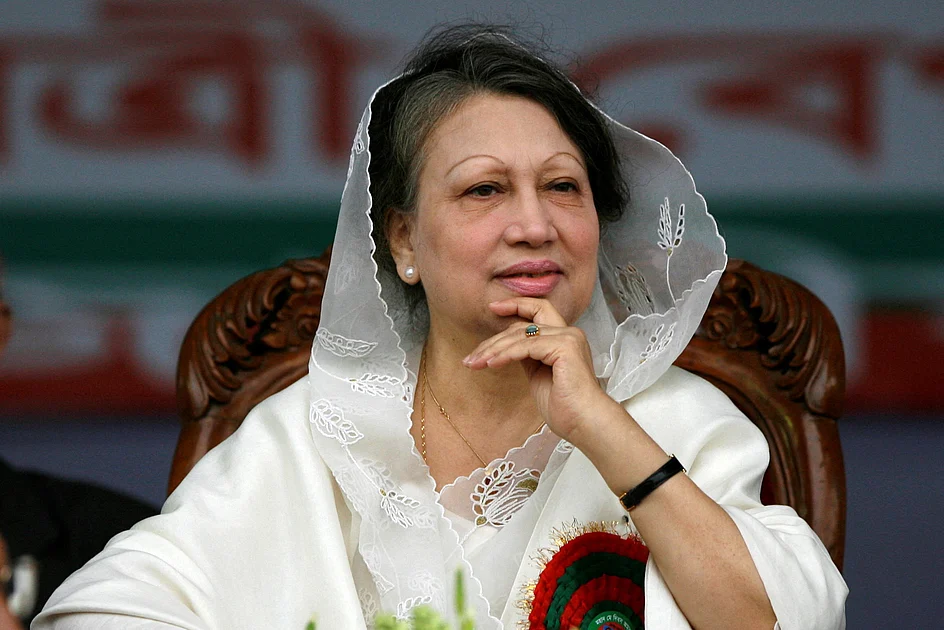
Khaleda Zia, Bangladesh’s pioneering female prime minister and formidable political force, passed away at 80 after battling prolonged health complications. Her death marks the end of an era for a nation shaped by her decades-long rivalry with contemporary Sheikh Hasina.
Initially characterized as a shy homemaker devoted to her two sons, Zia’s political destiny transformed following the 1981 assassination of her husband, military leader and President Ziaur Rahman. Assuming leadership of his Bangladesh Nationalist Party (BNP) in 1984, she emerged as an unexpected political powerhouse who would eventually break gender barriers in Muslim-majority governance.
Zia’s 1991 electoral victory constituted a historic milestone, making her Bangladesh’s first female premier and only the second woman to democratically lead a majority-Muslim nation after Pakistan’s Benazir Bhutto. Her administration implemented significant constitutional reforms, replacing the presidential system with parliamentary governance and instituting progressive policies including free compulsory primary education and economic liberalization measures.
Her political journey was defined by the legendary rivalry with Sheikh Hasina—daughter of Bangladesh’s founding father—which earned them the collective nickname ‘the battling Begums.’ Their contrasting leadership styles—Zia’s reserved deliberateness versus Hasina’s assertive outspokenness—created a political dichotomy that dominated national discourse for generations.
Zia’s second term faced significant challenges including militant extremism and corruption allegations. The 2004 grenade attack targeting Hasina’s rally, which killed over 20 people, remains a controversial chapter with her administration facing widespread accusations of involvement.
Following her 2006 exit from power, Zia endured imprisonment and house arrest on corruption charges she consistently denounced as politically motivated. Her final years witnessed partial political rehabilitation, with August 2024 bringing release from house arrest after Hasina’s ouster, and early 2025 Supreme Court acquittals clearing her of previous convictions.
The BNP, under leadership of her son Tarique Rahman following his recent return from exile, remains a potent political force as Bangladesh approaches February parliamentary elections. Zia’s legacy endures as that of a transformative leader who reshaped constitutional governance while embodying both the possibilities and perils of dynastic politics in South Asia.