Australian authorities have concluded that the two individuals responsible for the deadly mass shooting at a Hanukkah celebration on Bondi Beach acted independently, with no connections to a broader terrorist network. The attack, which resulted in 15 fatalities, has been officially classified as a terrorist incident—marking the nation’s most severe mass shooting since 1996.
Police confirmed that the alleged perpetrators, 50-year-old Sajid Akram and his 24-year-old son Naveed Akram, traveled to the Philippines on November 1, arriving in Manila before proceeding to Davao City on the same day. They returned to Sydney on November 29. Contrary to initial suspicions, investigations revealed that the pair did not engage in weapons training or operational preparations during their stay. Philippine authorities reported that the suspects rarely departed their hotel accommodations.
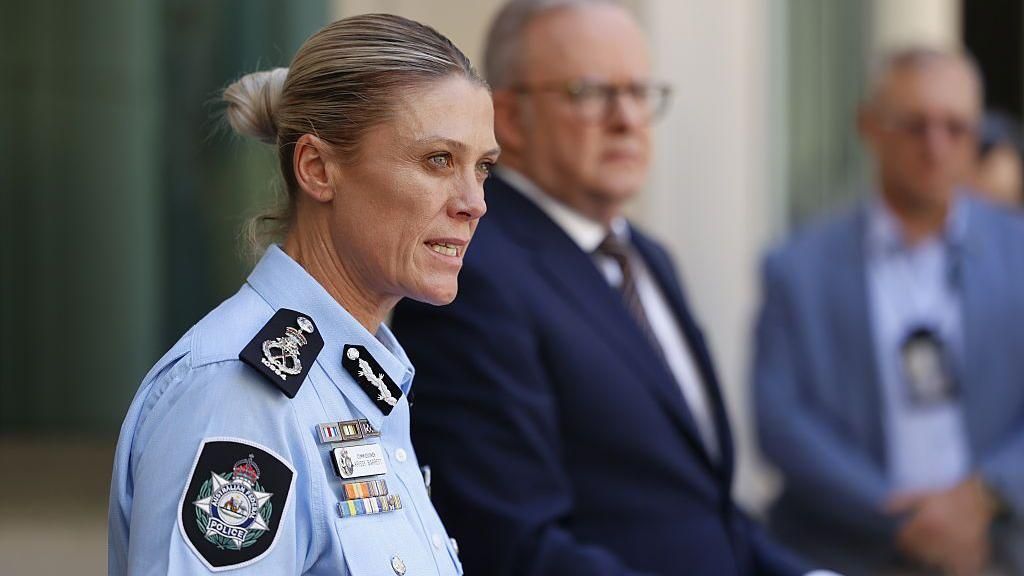
Australian Federal Police Commissioner Krissy Barrett stated that CCTV footage from the Philippines had been provided to Australian investigators. ‘Current assessments indicate these individuals are alleged to have acted alone,’ Commissioner Barrett emphasized. ‘There exists no evidence suggesting these alleged offenders were part of a broader terrorist cell or received external directives to execute the attack.’
However, Commissioner Barrett clarified that the purpose of their Philippines visit was not tourism, leaving unanswered questions about their international movements. She noted that the investigation remains active and may evolve with new evidence.
Prime Minister Anthony Albanese earlier indicated that the attackers appeared motivated by Islamic State ideology. During the December 14 incident, Sajid Akram was fatally shot by police while his son Naveed sustained injuries and was hospitalized. Naveed Akram now faces 59 criminal charges, including 15 counts of murder and one count of committing a terrorist act. His court appearance is scheduled for April.
The Philippines immigration bureau disclosed that the father entered the country using an Indian passport, while the son traveled on an Australian document. Both declared Davao City as their destination—a region on Mindanao island where Islamist militant groups have historically operated.