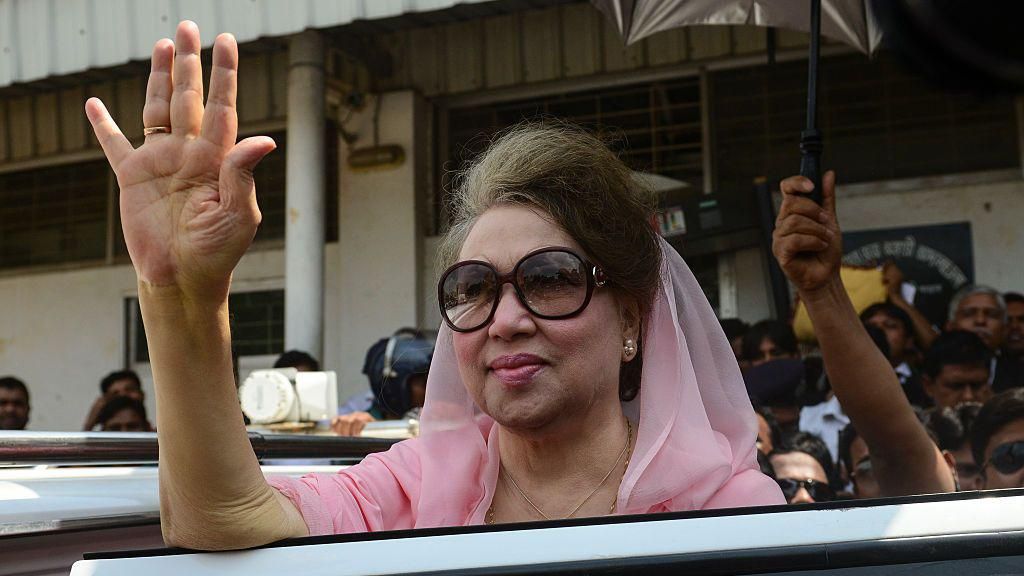
Bangladesh’s political landscape has been permanently altered with the passing of Khaleda Zia, the nation’s first female prime minister, who died at age 80 following an extended period of illness. Her death was confirmed by the Bangladesh Nationalist Party (BNP) via social media on Monday, stating their “favorite leader is no longer with us.”
Zia’s political journey began tragically following the 1981 assassination of her husband, President Ziaur Rahman, during a military coup. She transformed from first lady into a formidable political force, eventually leading the BNP to victory in Bangladesh’s first democratic election in two decades, securing her historic position as head of government in 1991.
Her tenure was marked by significant political turbulence, including a second term in 1996 that lasted merely weeks, and another premiership from 2001 until October 2006. Throughout her career, Zia maintained a fierce rivalry with political opponent Sheikh Hasina, leader of the Awami League, creating a decades-long power dynamic that defined Bangladeshi politics.
Zia’s later years were overshadowed by legal challenges, including a 2018 corruption conviction under Hasina’s administration which she denounced as politically motivated. Her release last year coincided with mass anti-government protests that ultimately toppled Hasina, forcing her into exile.
Despite severe health complications including kidney damage, heart disease, and pneumonia, Zia remained politically relevant. Her party had recently announced her intention to contest upcoming February elections, demonstrating her enduring influence. Following news of her death, crowds gathered outside Dhaka’s Evercare Hospital where she had been receiving treatment, with photographs showing police managing emotional supporters.
With Zia’s passing, political attention turns to her son Tarique Rahman, who recently returned from 17 years of self-imposed exile in London and is expected to assume leadership of the BNP as the party eyes a return to power.