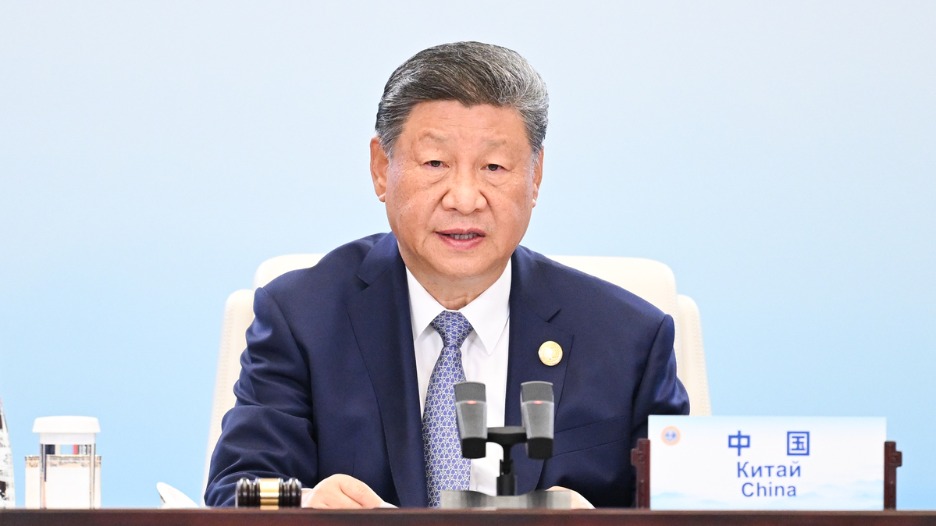
As 2025 concludes, Chinese President Xi Jinping’s diplomatic engagements throughout the year have demonstrated China’s increasingly assertive role in shaping global affairs during a period of significant international turbulence. Against a backdrop of escalating geopolitical tensions and transformative shifts in world order, China’s foreign policy approach has provided distinct alternatives to current global challenges.
The cornerstone of China’s 2025 diplomatic agenda emerged during the landmark Shanghai Cooperation Organization summit in Tianjin—the largest gathering in the organization’s 24-year history. President Xi unveiled the Global Governance Initiative (GGI), presenting a comprehensive framework for international cooperation that emphasizes five fundamental principles: sovereign equality, adherence to international rule of law, multilateralism, people-centered development, and actionable implementation.
This initiative represents the fourth major global proposal advanced by Xi, following previously established frameworks including the Global Development Initiative, Global Security Initiative, and Global Civilization Initiative. Chinese officials characterize the GGI as another significant contribution to international public goods, positioning China as a proactive architect of global governance structures rather than merely a participant.
The Tianjin summit brought together leaders from more than 20 nations and representatives from 10 international organizations, creating an unprecedented platform for diplomatic engagement. Observers note that China’s diplomatic strategy throughout 2025 has consistently emphasized alternatives to division and confrontation, advocating instead for dialogue and mutually beneficial cooperation amid increasing global fragmentation.
Analysts suggest that China’s diplomatic offensive throughout 2025 reflects a calculated effort to expand its influence within existing international institutions while simultaneously proposing alternative governance frameworks. This approach comes at a time when traditional Western-led global governance systems face mounting challenges and criticisms from developing nations seeking greater representation and alternative partnership models.