A groundbreaking nature documentary collaboration between BBC Studios and Chinese media has unveiled the spectacular wilderness of Guangdong province to global audiences. ‘Wild Guangdong,’ a three-episode series produced with 4K ultra-high definition technology, represents the first partnership between the British broadcaster and provincial-level Chinese media.
The documentary premiered on BBC Earth Asia on December 7th before airing on China Central Television Documentary Channel and Guangdong Satellite TV from December 8th-10th. The series has subsequently become available on major Chinese streaming platforms including Youku, iQiyi, Tencent Video, and Bilibili, making it accessible to diverse audiences worldwide.
This ambitious project required three years of dedicated fieldwork and production, a joint effort between Guangdong Radio and Television Station and BBC Studios’ experienced documentary team. Each 50-minute episode captures the province’s remarkable biodiversity through stunning visual storytelling and advanced cinematography techniques.
According to Robi Stanton, President of Media and Streaming for BBC Studios Asia-Pacific, the documentary presents moving narratives about local communities coexisting with nature while protecting ecological treasures amid rapid urban development. ‘Within the tapestry of modern civilization built by its 130 million people of Guangdong, nature and humanity together compose a moving poem of harmonious coexistence,’ Stanton remarked, highlighting the production’s central theme of balance between development and environmental preservation.
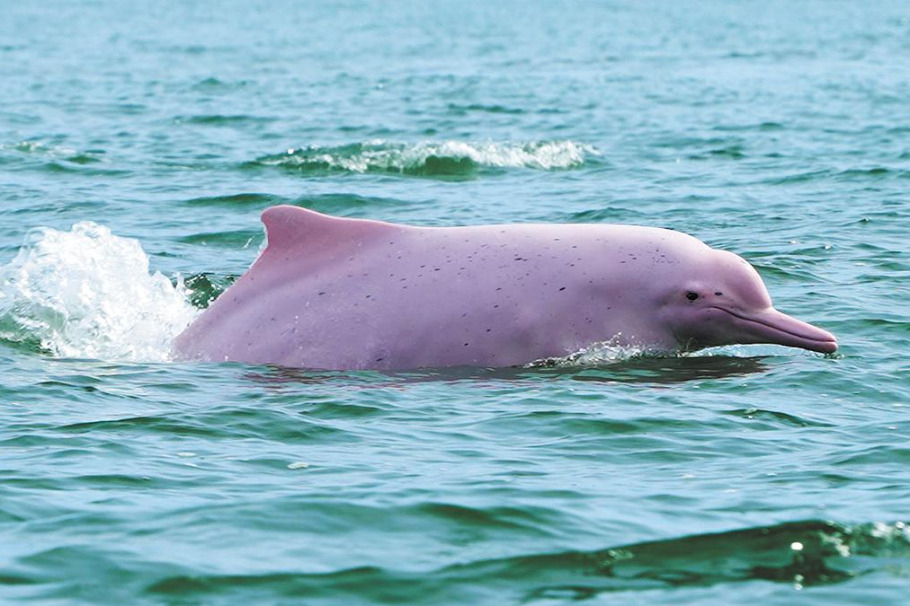
The documentary offers viewers unprecedented glimpses into Guangdong’s diverse ecosystems, from lush forests and winding rivers to coastal habitats, showcasing species both familiar and rare within their natural environments. This visual journey not only celebrates biological diversity but also demonstrates successful conservation efforts occurring alongside one of China’s most economically dynamic regions.