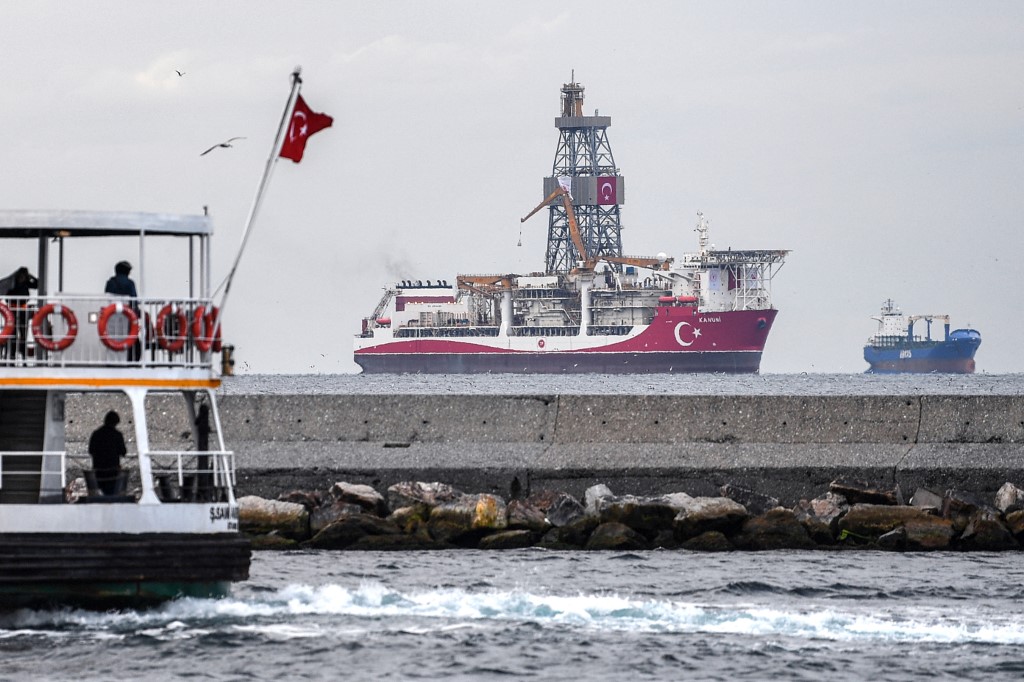
Turkey is advancing its strategic energy partnership with Syria, with plans to formalize a significant offshore exploration agreement in 2026. Energy Minister Alparslan Bayraktar announced the initiative during an interview with Turkish digital news platform GDH on Monday, revealing that this future pact would focus on assessing potential energy resources in maritime territories along the Syrian coastline.
This development builds upon a comprehensive framework agreement signed earlier this year, establishing a foundation for bilateral energy cooperation between Ankara and Damascus. Minister Bayraktar clarified that the 2026 agreement would enable seismic research activities to evaluate the region’s resource potential, though he emphasized that this does not automatically guarantee subsequent drilling operations.
The Turkish-Syrian energy collaboration has accelerated remarkably since December 2024, transforming Turkey into a key energy player in Syria following the stabilization of President Bashar al-Assad’s government. The partnership reached a milestone on May 29, 2025, with the signing of a major agreement encompassing natural gas, electricity, mining, and petroleum sectors, with provisions for technical coordination, information exchange, and joint investment initiatives.
Notable projects already underway include a natural gas pipeline connecting Kilis and Aleppo, completed in June 2025, which will enable Turkey to supply Syria with two billion cubic meters of natural gas annually. This infrastructure is projected to generate approximately 1,300 megawatts of electricity capacity.
Further enhancing energy integration, both nations are constructing a 400-kilovolt high-voltage transmission line to connect their power grids, scheduled for operation by early 2026 with capacity to support 500 MW of electricity imports.
The partnership extends to substantial private sector involvement, evidenced by a $7 billion strategic cooperation agreement between Turkey’s Kalyon Holding and Cengiz Holding, Qatar’s UCC, and American company Power International. This consortium plans to develop natural gas combined-cycle power plants totaling 4,000 MW capacity across multiple Syrian locations, complemented by a 1,000-MW solar power plant in the Vidyan al-Rabi region.
This expanding energy alliance may raise concerns among regional neighbors, particularly Greece and Cyprus, who might view these developments as potentially leading to the establishment of an exclusive economic zone that could heighten tensions in the Eastern Mediterranean.