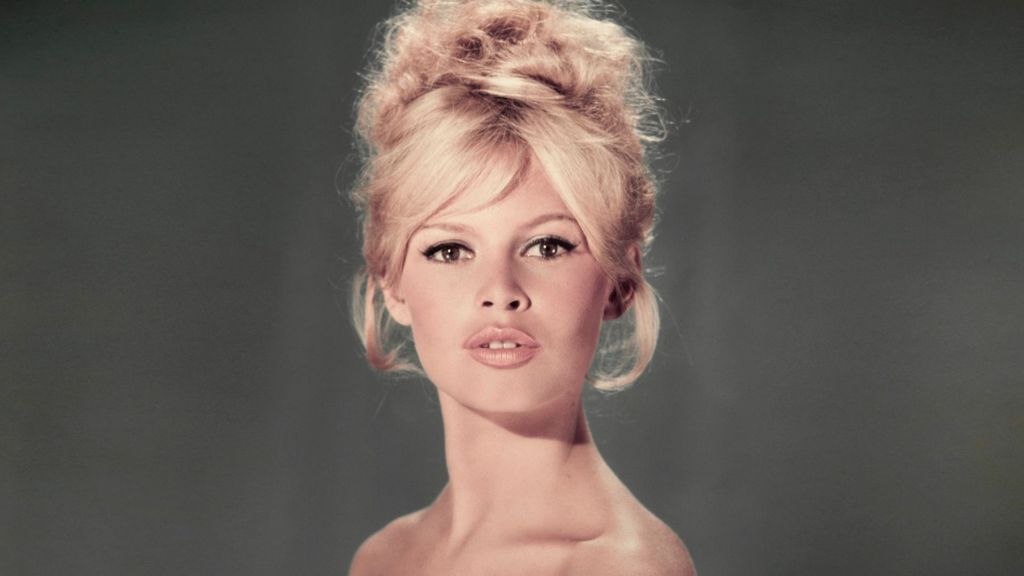
Brigitte Bardot, the French cinematic sensation who revolutionized 1950s cinema before becoming a controversial animal rights activist, has passed away at 91. Her journey from ballet prodigy to international sex symbol and ultimately to social paragon represents one of Hollywood’s most complex legacies.
Born into Parisian privilege in 1934, Bardot’s early ballet training cultivated the physical grace that would define her screen presence. Her breakthrough came at 16 when Elle magazine featured her on its cover, launching a modeling career that caught the attention of filmmaker Roger Vadim. Their professional and personal partnership would alter cinematic history, despite her parents’ initial objections that led to a suicide attempt by the young starlet.
Vadim’s 1956 film ‘And God Created Woman’ catapulted Bardot to international stardom, presenting a vision of female sexuality that shattered postwar conventions. While American moral guardians condemned the film, philosopher Simone de Beauvoir celebrated Bardot as embodying ‘absolute freedom.’ This dichotomy defined her career: celebrated as a feminist icon while being ruthlessly marketed as a hedonistic sex symbol.
The price of fame became increasingly apparent as Bardot struggled to transition to serious acting roles. Despite critical acclaim in Jean-Luc Godard’s ‘Contempt,’ she lamented that filmmakers mostly required her ‘to undress’ rather than act. Her personal life became tabloid fodder through multiple marriages and affairs, including a notorious relationship with co-star Jean-Louis Trintignant during her marriage to Vadim.
In 1973, after nearly 50 films, Bardot abandoned cinema entirely, declaring: ‘I gave my beauty and my youth to men. I’m going to give my wisdom and experience to animals.’ She established the Brigitte Bardot Foundation through auctioning her jewelry and memorabilia, raising substantial funds for animal welfare campaigns against seal culling, horse meat consumption, and fur trading.
Her later years were marred by controversy as she faced repeated prosecution for inciting racial hatred. Her criticisms of Islamic and Jewish slaughter practices crossed into xenophobic rhetoric, resulting in multiple fines. These statements, combined with her marriage to far-right political adviser Bernard d’Ormale, isolated her from public life.
Bardot’s legacy remains profoundly divided: the pioneering actress who liberated female sexuality on screen versus the controversial activist whose bigoted statements overshadowed her animal rights advocacy. She transformed French cinema’s global standing while ultimately becoming a semi-recluse battling legal challenges—a complex conclusion to a life that embodied both liberation and limitation.