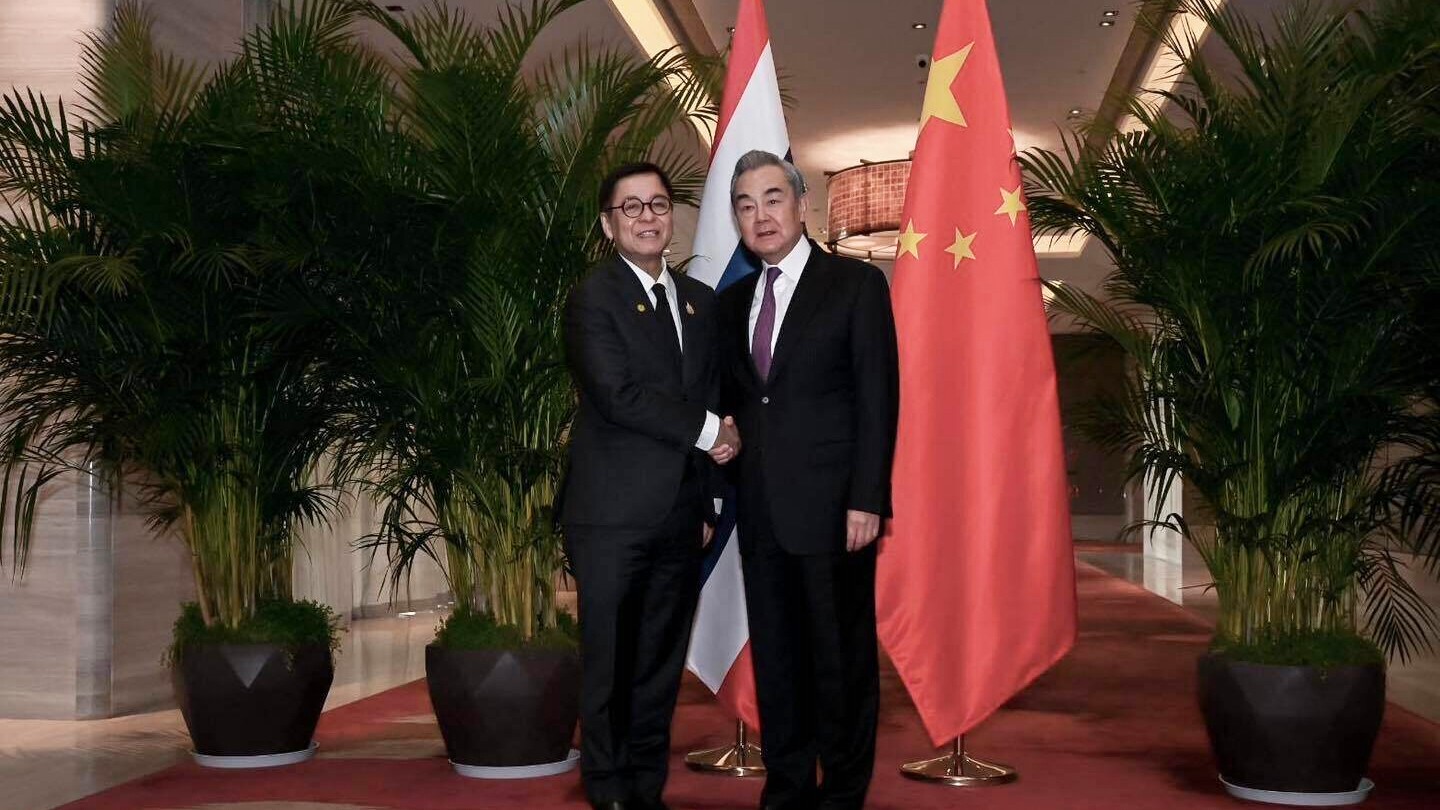
BEIJING — Top diplomats from Thailand and Cambodia commenced crucial negotiations in China’s Yunnan province on Sunday, marking a significant development in the ongoing border conflict between the Southeast Asian neighbors. The talks, mediated by Chinese Foreign Minister Wang Yi, followed the signing of a new ceasefire agreement designed to halt weeks of deadly clashes that have resulted in over 100 casualties and displaced more than 500,000 civilians from both nations.
The diplomatic engagement represents Beijing’s strategic effort to strengthen its role as a regional peacemaker, positioning itself alongside the United States and Malaysia in mediation efforts. The ceasefire agreement includes a 72-hour observation period and stipulates that Thailand will repatriate 18 Cambodian soldiers held since previous fighting in July—a key demand from Cambodian authorities.
Chinese Foreign Ministry statements emphasized Beijing’s commitment to “providing the platform and creating conditions” for continued dialogue between the conflicting parties. China simultaneously announced 20 million yuan ($2.8 million) in emergency humanitarian assistance for Cambodia, with initial shipments of food, tents, and blankets arriving Sunday.
While the Chinese mediation progressed, U.S. President Donald Trump asserted American influence in the conflict resolution from his Mar-a-Lago estate in Florida. In social media posts, Trump claimed the fighting “will stop momentarily” and boasted about U.S. effectiveness, suggesting America had “become the REAL United Nations” through his administration’s involvement.
Thai Foreign Minister Sihasak Phuangketkeow articulated expectations that China would not only support the ceasefire but also discourage Cambodia from reigniting hostilities. “Thailand does not see China merely as a mediator in our conflict with Cambodia,” Sihasak stated, “but wants China to play a constructive role in ensuring a sustainable ceasefire.”
Cambodian Foreign Minister Prak Sokhonn expressed appreciation for China’s “vital role” in facilitating the truce. The diplomatic meetings will continue with bilateral discussions and a trilateral talk scheduled for Monday, aiming to establish mechanisms for lasting peace along the contested border region.