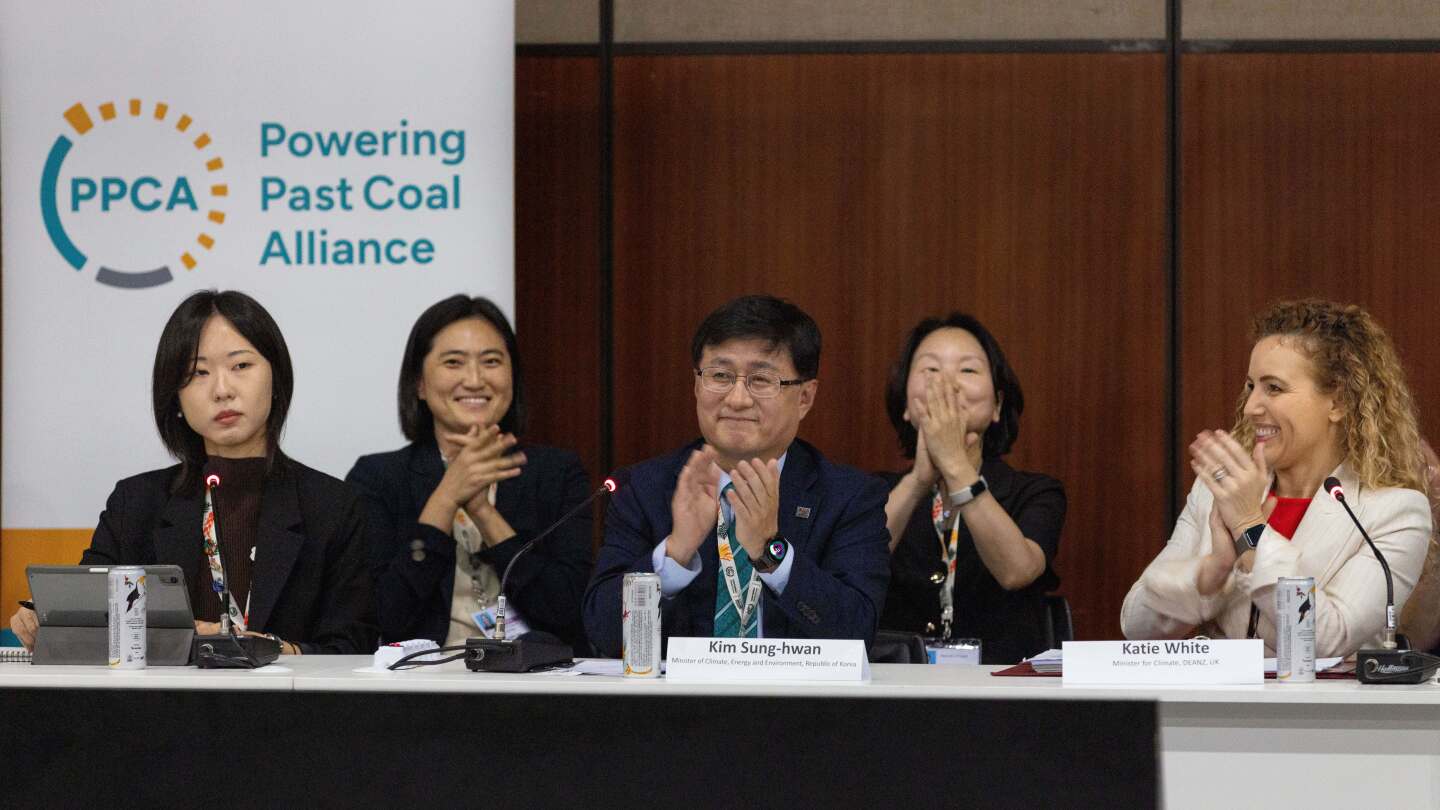
SEOUL, South Korea — South Korea finds itself navigating a complex energy dilemma as its ambitious climate commitments collide with trade obligations to the United States. The newly established Ministry of Climate, Energy and Environment has unveiled sweeping plans to retire the majority of the nation’s coal-fired power plants by 2040 and slash carbon emissions by at least half within the next fifteen years. This bold initiative signals Seoul’s determination to accelerate its renewable energy transition, currently lagging behind both regional neighbors and global standards.
However, this environmental ambition conflicts with substantial energy trade agreements negotiated during the Trump administration. As part of broader trade discussions, South Korea has committed to purchasing up to $100 billion worth of American energy products, including significant quantities of liquefied natural gas (LNG). While LNG burns cleaner than coal, it still generates substantial planet-warming emissions, particularly methane, raising concerns among climate activists about potential lock-in to fossil fuel dependency.
Energy specialists highlight the inherent contradiction in these parallel initiatives. Michelle Kim of the Institute for Energy Economics and Financial Analysis notes the challenge of consolidating “somehow contradictory planning regarding its energy sector.” The administration of President Lee Jae Myung, who campaigned on strengthened climate action following his June election victory, now faces the difficult task of balancing environmental promises with economic considerations.
South Korea’s current energy landscape reveals the scale of this challenge. Renewable sources generated merely 10.5% of domestic power last year—among the lowest percentages for major economies. By comparison, Japan derives 21% of its electricity from renewables, while Spain achieves 42%. Nuclear power provides a substantial 31% of South Korea’s electricity, with the government pledging to develop a new energy system emphasizing both renewables and nuclear capacity while gradually eliminating coal.
The pending U.S. trade agreement, potentially lasting three to ten years, could require South Korea to import between 3 million to 9 million tons of American LNG annually. Environmental organizations like Greenpeace warn that simply replacing coal with LNG risks undermining genuine climate progress, potentially shifting the nation’s addiction from one fossil fuel to another rather than advancing a true green transition.
As South Korea joins international alliances promoting renewable energy, including the Powering Past Coal Alliance, its decisions will reverberate through regional energy markets. The planned reduction in coal imports—primarily from Australia, Indonesia, and Russia—signals a market transformation that coal exporters must now confront, with one of the world’s largest energy customers beginning its transition away from fossil fuels.