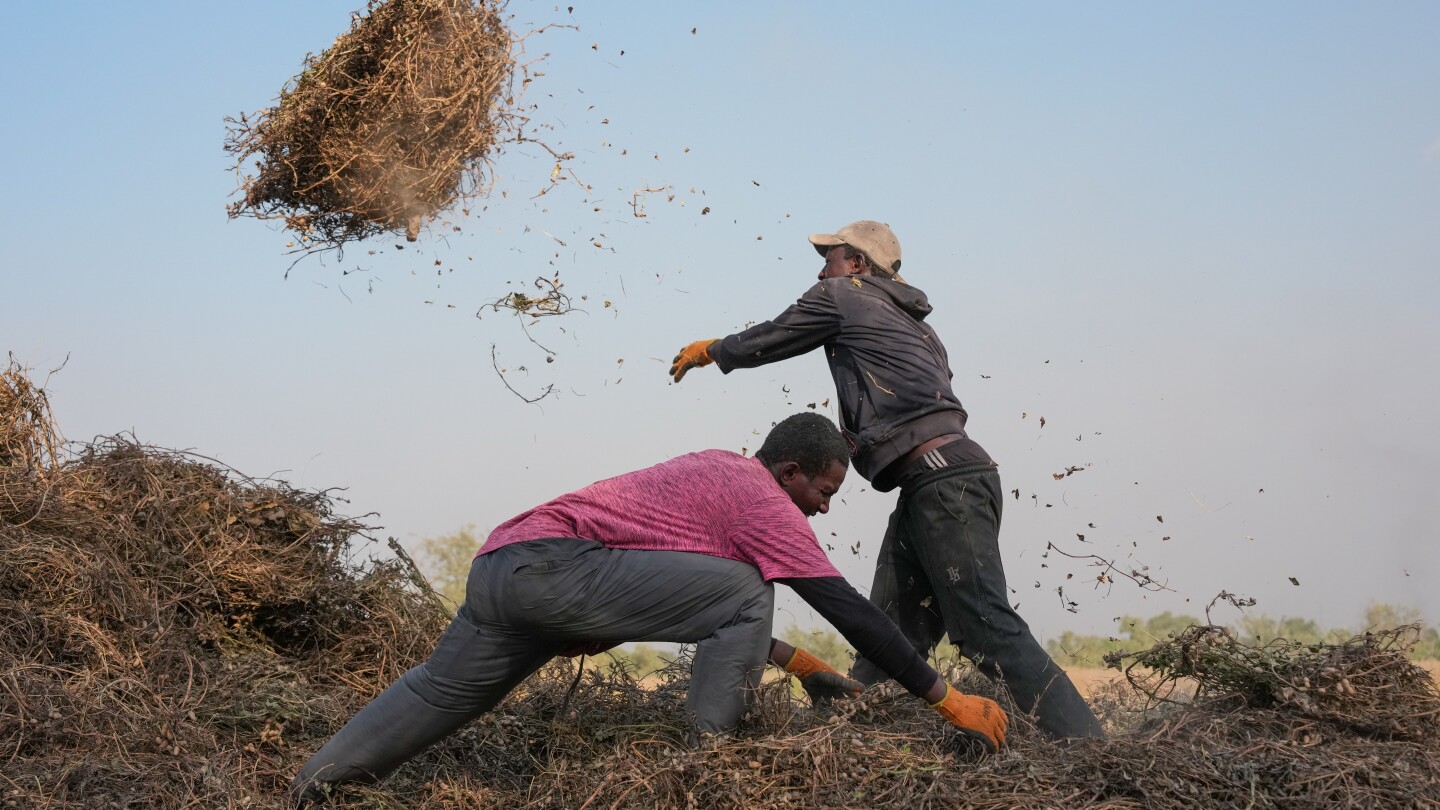
Across Senegal’s sun-scorched farmlands, a remarkable socioeconomic shift is underway as educated young professionals abandon unfulfilled urban aspirations to embrace agricultural entrepreneurship. Filly Mangassa, 33, exemplifies this trend—after obtaining a master’s degree in criminology and struggling with Dakar’s prohibitive living costs and scarce employment opportunities, he has returned to his ancestral vocation with transformative results.
This movement challenges deep-rooted perceptions that historically relegated farming to low-status occupation across Africa. While initial family reactions often reflected disappointment, tangible economic outcomes are rapidly changing attitudes. Mangassa now generates approximately $3,500 annual profit from his 32-acre diversified farm—significantly exceeding Senegal’s average yearly income of $2,500.
Structural economic realities drive this agricultural renaissance. Africa represents the world’s fastest-urbanizing region with cities expanding at 3.5% annually, creating unsustainable cost-of-living pressures. The World Bank notes that housing and grocery expenses in major African metros now rival European cities despite dramatically lower median wages. Simultaneously, the African Development Bank reports only 3 million formal jobs emerge annually against 10-12 million young entrants into the workforce.
International initiatives actively support this transition. The World Food Program’s agricultural entrepreneurship project, operational from 2023 through 2027, has already assisted approximately 380,000 young Africans across eight nations. In Senegal alone, over 61,000 participants received support with more than 80% establishing operational farms. The program specifically addresses critical barriers including land acquisition complexities, financing limitations, and technical training deficiencies.
Beyond economic implications, this agricultural movement carries profound social consequences. Senegal’s government explicitly promotes farming as an alternative to dangerous migration routes—the nation serves as a primary departure point for Atlantic crossings to Europe. Testimonials like Adama Sane’s reveal how agricultural opportunities literally save lives: “If I had stayed in my construction job, I would have tried crossing the ocean sooner or later.”
The transformation extends beyond individual livelihoods to address continental food security challenges exacerbated by climate change and funding reductions. Agricultural economist Ibrahima Hathie observes that young farmers increasingly focus on high-value crops enhanced by technology, potentially increasing local production and reducing staple food prices.
As Mangassa now employs three returned migrants who abandoned their European aspirations, his story encapsulates a broader paradigm shift: “I wanted to show them that there are opportunities for young people here.” This sentiment reflects a growing recognition that agriculture may hold the key to sustainable development across Africa.