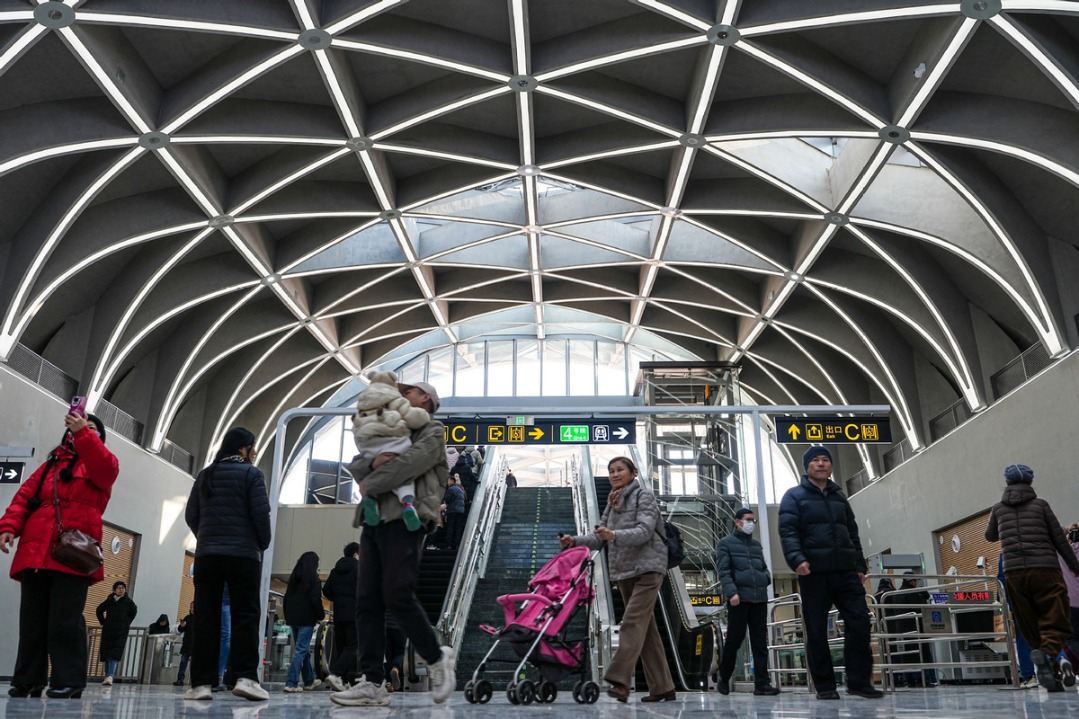
Jinan, renowned as China’s ‘City of Springs,’ has achieved a groundbreaking engineering feat with the December 27, 2025 inauguration of the nation’s first subway line traversing a fragile karst spring region. The commencement of Subway Line 4 represents a significant advancement in urban transit infrastructure while addressing critical environmental preservation challenges.
The newly operational line serves one of Jinan’s most congested transportation corridors, substantially reducing commute times and alleviating chronic road traffic congestion. However, the project’s development faced years of delays due to legitimate concerns about potential damage to the city’s unique hydrogeological system. Experts worried that conventional tunneling methods might disrupt the delicate groundwater flows originating from southern mountains that feed Jinan’s approximately 1,000 natural artesian springs.
To reconcile urban development with environmental protection, engineering teams implemented innovative solutions throughout the construction process. Comprehensive geological surveys identified spring-sensitive zones, enabling route adjustments to avoid critical aquifers. Construction depth was increased strategically, and customized shield tunneling machines equipped with earth pressure balance technology were deployed to prevent ground settlement.
At crucial station locations, engineers installed specialized U-shaped groundwater diversion channels to maintain natural water flow patterns. The effectiveness of these protective measures is demonstrated by monitoring data showing Baotu Spring, Jinan’s most iconic water feature, reaching 30.32 meters—its highest water level since 1966.
‘This achievement validates our scientific approach to spring protection and innovative engineering methodologies,’ stated Huang Yongliang, Senior Spring Protection Engineer at Jinan Rail Transit Group Co., Ltd. The successful implementation provides a valuable blueprint for future infrastructure projects in environmentally sensitive regions worldwide.