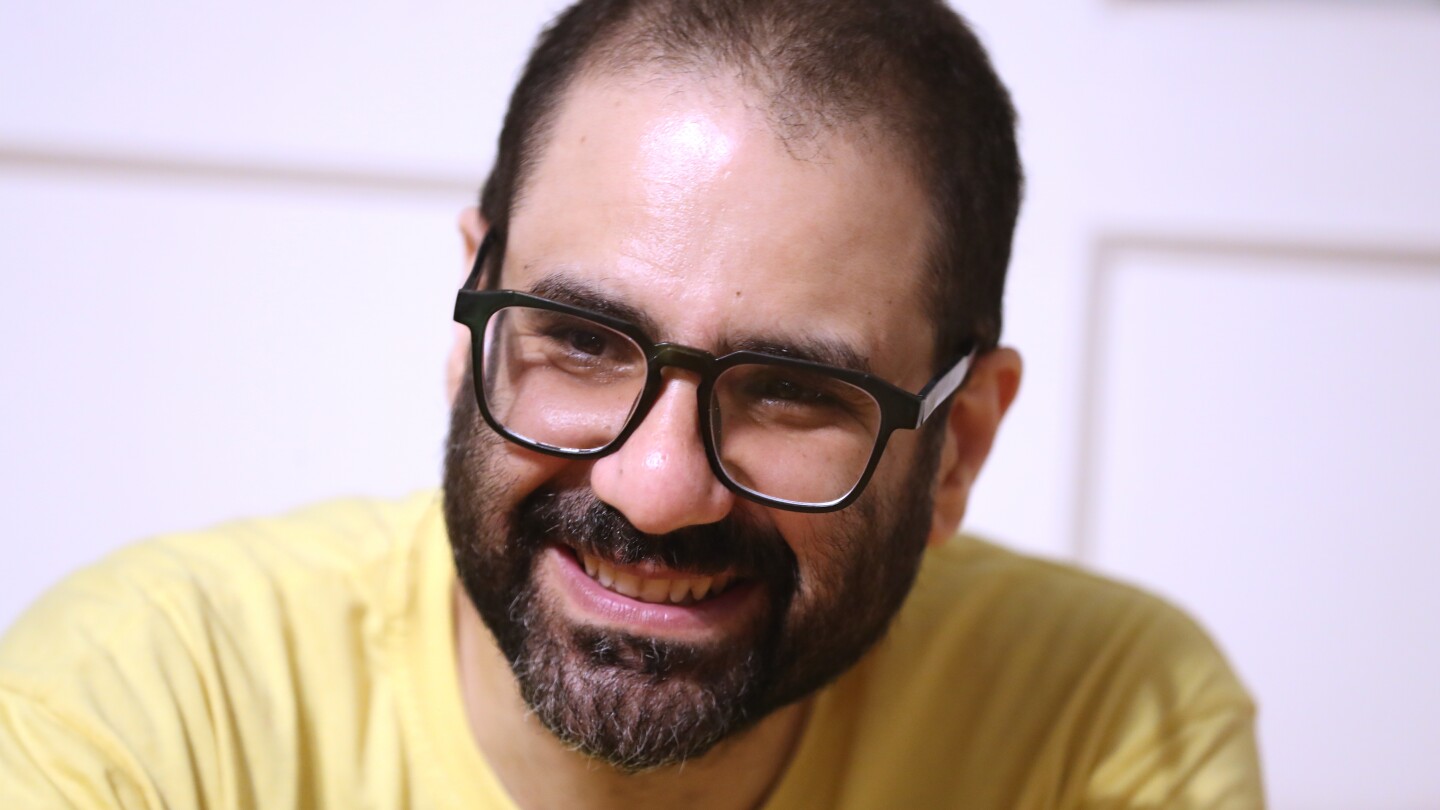
British Prime Minister Keir Starmer has come under intense political scrutiny following his public celebration of Alaa Abd el-Fattah’s return to the United Kingdom. The prominent human rights activist, who holds dual British-Egyptian citizenship, was recently freed from Egyptian incarceration after spending nearly 14 years imprisoned primarily for his opposition to President Abdel-Fattah el-Sissi’s administration.
While successive UK governments had consistently advocated for Abd el-Fattah’s release as a matter of diplomatic priority, Starmer’s personal endorsement has ignited a firestorm of controversy. The Prime Minister expressed being ‘delighted’ that the activist had been reunited with his family following the lifting of Egyptian travel restrictions that had confined him to the country since his September release.
The situation escalated when Robert Jenrick, the Conservative Party’s justice spokesman, publicly challenged Starmer’s stance. Jenrick revealed historical social media posts allegedly authored by Abd el-Fattah that contained violent rhetoric against Zionists and law enforcement personnel. The Conservative MP demanded to know whether the Prime Minister had been aware of these controversial statements before offering his ‘unalloyed endorsement’ and called for both condemnation and retraction of the supportive remarks.
In response to the growing political tension, the Foreign, Commonwealth and Development Office issued a clarifying statement emphasizing that while securing Abd el-Fattah’s freedom represented a long-standing bipartisan priority, this diplomatic effort should not be interpreted as endorsement of his social media content. The government department explicitly condemned the historic tweets as ‘abhorrent’ while maintaining its commitment to opposing arbitrary detention globally.
The controversy has highlighted the complex intersection of human rights advocacy, diplomatic priorities, and political accountability. Abd el-Fattah’s case gained international attention partly due to his mother’s extraordinary 10-month hunger strike campaign pressuring British authorities to intensify their efforts for his release. As critics circulate the controversial posts, questions regarding context and authenticity have emerged, with The Times of London reporting that the activist had previously claimed the comments were extracted from private conversations during Israeli military operations in Gaza and misrepresented.