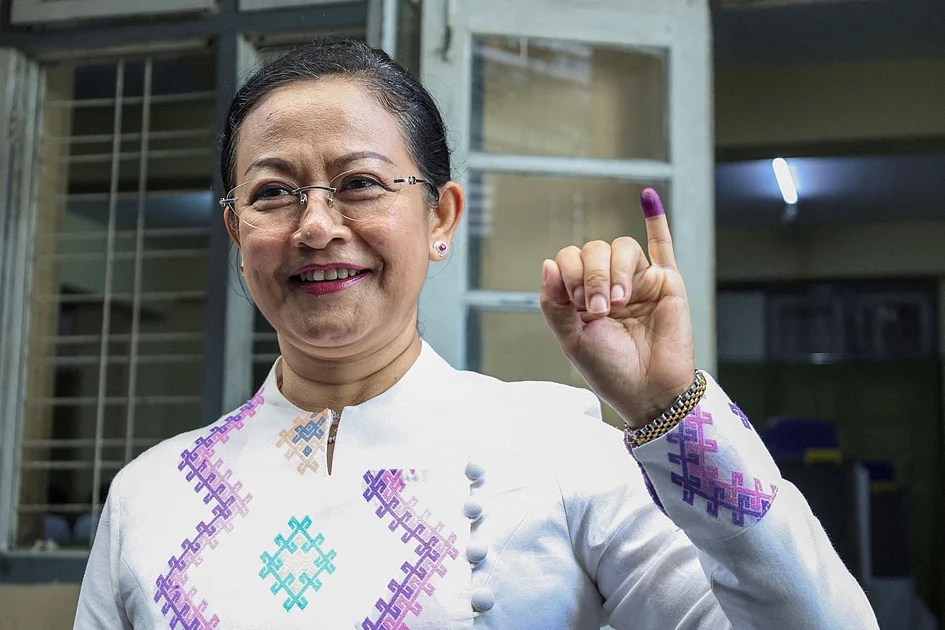
Myanmar’s military junta conducted nationwide elections on Sunday that were conspicuously absent of the youthful electorate that once characterized the country’s democratic processes. The polling stations, instead dominated by elderly citizens and mothers with children, presented a stark contrast to previous elections that saw enthusiastic participation from younger generations.
The military government, which seized power in a 2021 coup that plunged the nation into civil war, promoted the vote as a restoration of democratic norms. However, international rights organizations and many citizens dismissed the exercise as fundamentally illegitimate. At a polling station near Yangon’s Sule Pagoda—a site previously known for violent crackdowns on pro-democracy protesters—electoral officials reported fewer than 500 ballots cast from 1,400 registered voters just hours before closing.
This represents a dramatic decline from the 70% participation rate recorded during the 2020 elections. The current climate of conscription, implemented two years ago to bolster military ranks against ethnic minority armies and resistance forces, has created widespread apprehension among the population. Anonymous young voters from Mandalay expressed their disillusionment, characterizing the process as ‘chaos’ and questioning its fundamental fairness.
In conflict-ridden regions like Rakhine State, where ethnic minority armies maintain control, residents voiced skepticism about the election’s potential to bring meaningful change. Anti-regime groups issued safety warnings to voters, with reports emerging of coercion tactics including armed intimidation at polling locations. Despite these concerns, junta-allied candidates maintained that participation remained a civic responsibility, even as the streets of major cities remained unusually quiet throughout the voting process.