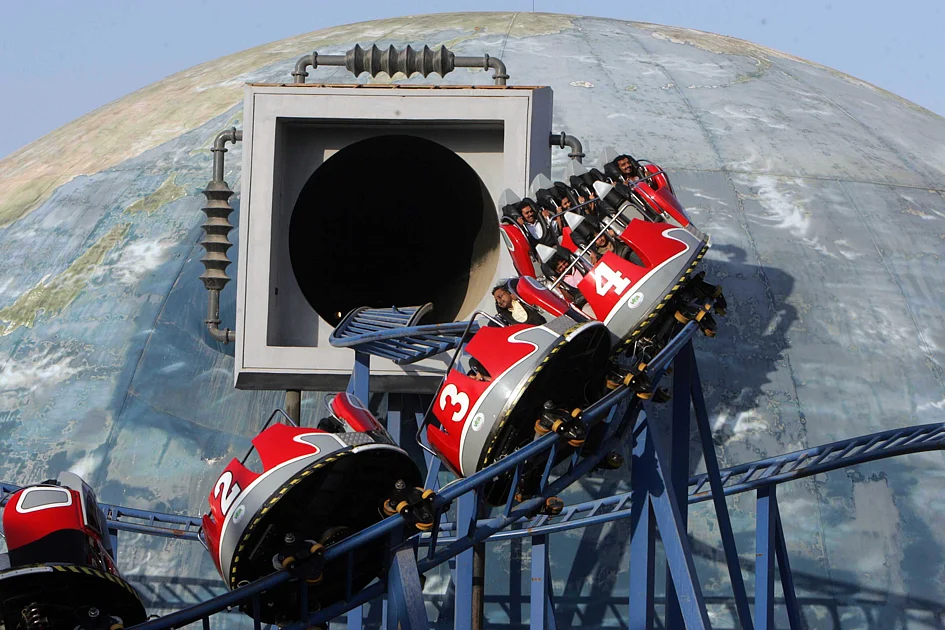
Dubai’s iconic Zabeel Park commemorates its 20th anniversary this week, marking two decades of evolution from a technological marvel to the city’s preferred gathering space for celebrations and community activities. The park’s transformation reflects Dubai’s broader urban development narrative, blending recreational innovation with cultural significance.
Inaugurated on December 27, 2005, by the late Sheikh Hamdan bin Rashid Al Maktoum, the park represented a Dh200 million investment in creating the Gulf’s first technology-based recreational theme park. Spanning 47.5 hectares near the Dubai World Trade Centre, the facility was strategically divided into three interconnected zones featuring pedestrian bridges, including a distinctive cable structure that became its architectural signature.
The park’s initial conception as a technological showcase included exhibition centers, an amphitheater, and themed zones dedicated to alternative energy, communications, and space exploration. This vision gradually expanded to accommodate Dubai’s growing social needs, with the addition of sports facilities, cricket pitches, and ornamental boating lakes.
Zabeel Park’s cultural significance intensified through strategic developments, most notably the 2015 introduction of Dubai Garden Glow. This seasonal attraction, developed at a cost of Dh30 million, transformed 40 acres with over four million energy-efficient lights and recycled material installations. The landmark Dubai Frame further elevated the park’s status upon its 2018 opening, offering panoramic views of the city’s contrasting landscapes from a 150-meter sky bridge.
The park’s accessibility, maintained through a nominal Dh5 entry fee, has ensured its popularity across demographic segments. Recent statistics demonstrate its enduring appeal, with Zabeel Park recording the highest attendance among Dubai’s five major parks during Eid Al Adha celebrations, attracting 22,000 visitors on a single day according to municipal officials.
Beyond infrastructure, the park has become woven into Dubai’s social fabric, serving as the backdrop for childhood memories, school picnics, and major citywide events including the Dubai Fitness Challenge finale. Its evening landscapes now routinely feature families picnicking, fitness enthusiasts jogging along synthetic tracks, and children playing—a living testament to its successful integration into Dubai’s urban identity.