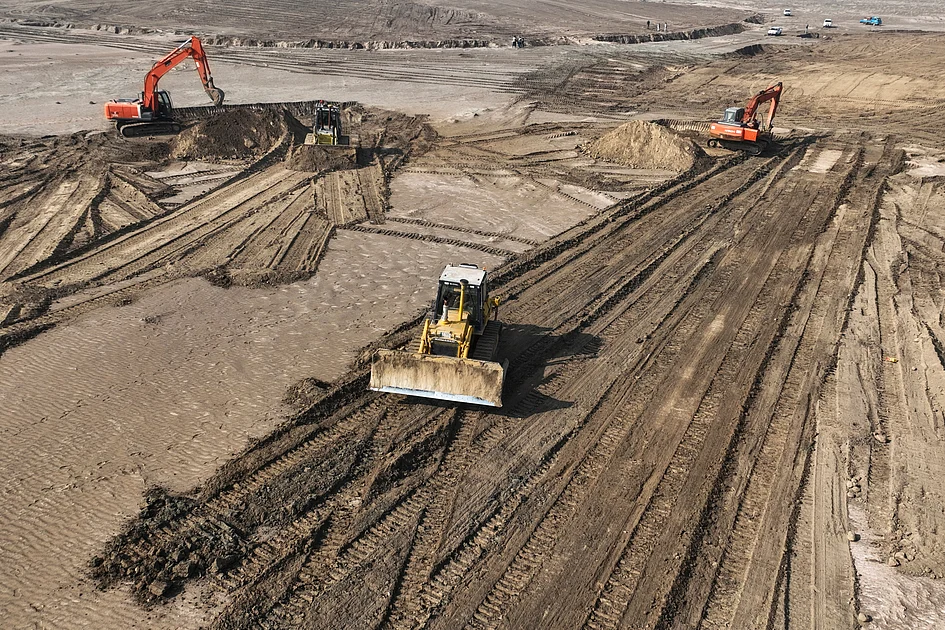
Deep within Iraq’s southern desert regions, an ambitious environmental counteroffensive is underway as heavy machinery methodically coats arid landscapes with layers of moist clay. This innovative soil stabilization technique represents a critical component of Iraq’s multifaceted strategy to combat increasingly severe sand and dust storms that have intensified due to climate change impacts.
The frequency and severity of these atmospheric events have reached alarming levels, with official estimates indicating approximately 243 annual storm occurrences. Projections suggest this could escalate to 300 dust-event days annually by 2050 without immediate intervention. The environmental consequences have been severe: urban centers regularly succumb to ochre-hued hazes, aviation operations face repeated disruptions, and medical facilities report surging admissions of respiratory distress cases.
UN-Habitat, in collaboration with Iraqi authorities and supported by the Kuwait Fund for Arab Economic Development, is spearheading this initiative across three southern regions identified as primary storm sources. Between the cities of Nasiriyah and Samawah—proximate to ancient Sumerian archaeological sites—workers apply 20-25 centimeter clay coatings to dunes while simultaneously planting drought-resistant vegetation including Prosopis and Conocarpus species.
Udai Taha Lafta of UN-Habitat explained the transnational significance: ‘This project aims primarily to mitigate transboundary dust storms affecting neighboring nations including Kuwait, Saudi Arabia and Qatar. Though covering limited terrain initially, this vital area should demonstrate measurable reduction in storm intensity by next summer.’
Immediate objectives include safeguarding major highways where poor visibility during storms has caused numerous accidents. Longer-term goals envision expanded green zones and sustainable agricultural revival in regions devastated by prolonged drought and water scarcity.
Qahtan al-Mhana from Iraq’s Agriculture Ministry emphasized the nation’s historical expertise in desertification combat, noting successful dune stabilization initiatives dating to the 1970s that were interrupted by decades of conflict. Professor Najm Abed Taresh of Dhi Qar University confirmed that environmental efforts have recommenced with renewed urgency: ‘We are achieving slow but consistent progress in addressing these critical climate challenges.’