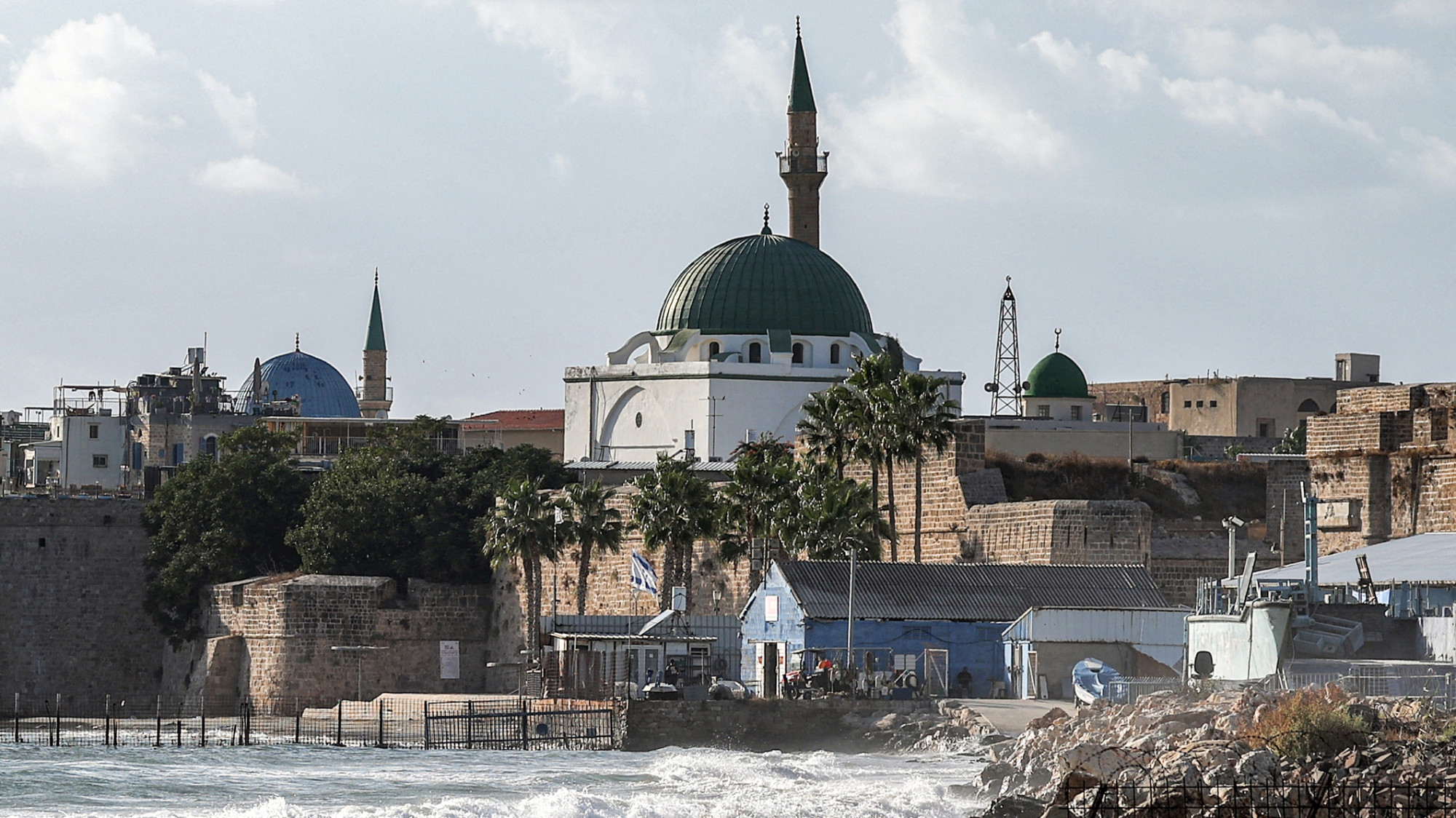
A contentious legislative proposal is advancing through Israel’s political system that would grant the state unprecedented authority to regulate the Islamic call to prayer. Sponsored by Jewish Power party member and National Security Committee chair Zvika Fogel, the bill mandates that all mosque loudspeaker broadcasts must obtain government licensing to operate legally.
The proposed legislation establishes stringent criteria for approval, including specific volume limitations, mandatory noise-reduction implementations, and evaluations of mosque proximity to residential zones. Under these provisions, law enforcement would gain powers to immediately silence loudspeakers violating permit conditions and confiscate equipment for repeated offenses. Financial penalties would be severe, with unauthorized loudspeaker installation carrying fines of 50,000 shekels ($15,660) and permit violations resulting in 10,000 shekel ($3,100) penalties.
Proponents, including National Security Minister Itamar Ben Gvir, frame the initiative as addressing public health concerns. They characterize the muezzin’s call as “unreasonable noise” that allegedly compromises residents’ wellbeing and quality of life. Fogel asserts existing legislation provides insufficient tools to handle what he describes as systematic legal violations affecting communities.
Palestinian citizens of Israel and religious leaders have vehemently opposed the measure, rejecting the noise pollution justification as disingenuous. Human rights attorney Khaled Zabarqa contends the legislation represents another systematic effort to erase Palestinian cultural and religious identity from public spaces. “The call to prayer has existed for hundreds of years and has been recited daily since Israel was established,” Zabarqa noted. “It did not suddenly become a noise problem.”
Sheikh Kamal Khatib, former deputy leader of the banned Islamic Movement in Israel, condemned the proposal as particularly dangerous compared to previous restriction attempts because it seeks to institutionalize the ban through formal legislation. Khatib characterized the initiative as part of an escalating religious conflict targeting Muslim communities and warned that any limitation on religious practices must be categorically rejected.
This represents not the first attempt to regulate mosque broadcasts, with a similar 2017 proposal passing initial parliamentary reading before stalling. The current effort reflects ongoing tensions between religious expression and state authority in Israel’s complex sociopolitical landscape.