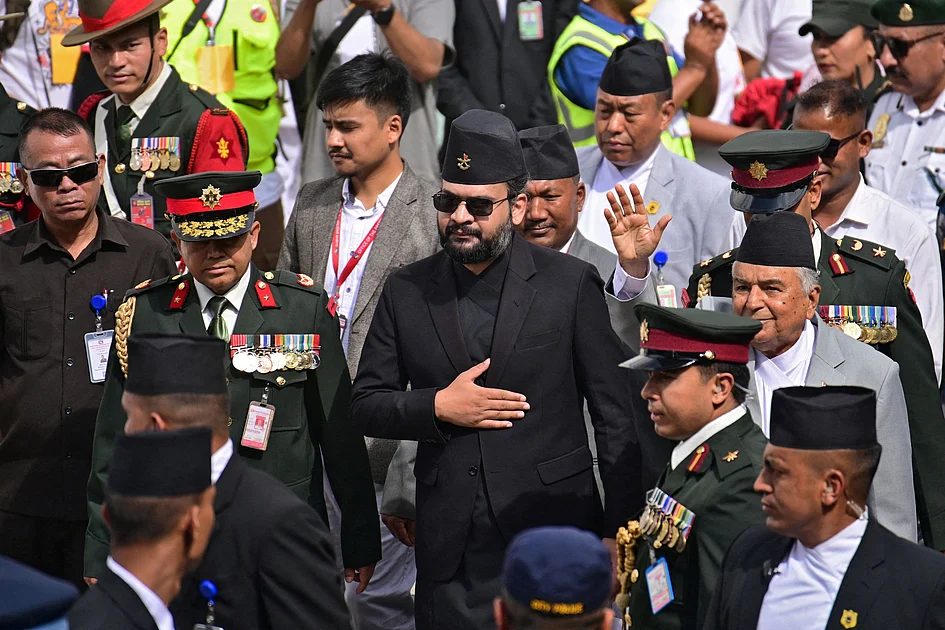
In a dramatic shift within Nepal’s political landscape, two prominent youth-oriented figures have formed a strategic alliance that threatens to disrupt the country’s established political order. Balendra Shah, the 35-year-old rapper-turned-Mayor of Kathmandu popularly known as Balen, has officially joined the Rastriya Swatantra Party (RSP), led by former television host Rabi Lamichhane.
The partnership, announced Sunday, positions Balen as the prime ministerial candidate should the RSP secure victory in the upcoming March 5 parliamentary elections, while Lamichhane will maintain his role as party chairman. This development comes just months after widespread youth-led protests against systemic corruption resulted in 77 fatalities and ultimately forced Prime Minister K.P. Sharma Oli to resign in September.
Political analysts view this alliance as a calculated maneuver that capitalizes on the growing discontent among Nepal’s younger generation. ‘This represents an exceptionally astute strategic move by the RSP to incorporate Balen and his substantial youth following into their political framework,’ noted analyst Bipin Adhikari. ‘Traditional political parties are experiencing significant anxiety about losing their young voter base to the RSP.’
The election commission reports that approximately 19 million of Nepal’s 30 million citizens are eligible to participate in the March elections, with nearly one million new voters—predominantly youth—added to the rolls following the recent protests. Balen emerged as an unofficial leader during the September demonstrations and subsequently played a role in establishing the interim government under former Chief Justice Sushila Karki to supervise the electoral process.
This new political force now presents a substantial challenge to the Communist Party of Nepal (Unified Marxist-Leninist) and the centrist Nepali Congress party, which have dominated the Himalayan nation’s governance for most of the past three decades.