In a significant escalation of legal proceedings against participants in the alleged post-election coup attempt, Brazilian Supreme Court Justice Alexandre de Moraes issued house arrest mandates for ten convicted individuals on Saturday. The decision targets those previously under restrictive measures such as ankle monitors and curfews, including Filipe Martins, a former key adviser to ex-President Jair Bolsonaro.
The judicial action coincided with the dramatic extradition from Paraguay of Silvinei Vasques, former director of Brazil’s Federal Highway Police. Vasques, already convicted for his role in the conspiracy, had allegedly severed his electronic monitoring device and clandestinely crossed into Paraguay using fraudulent documentation in an attempt to reach El Salvador. Paraguayan authorities intercepted and returned him to Brazilian custody on Friday night.
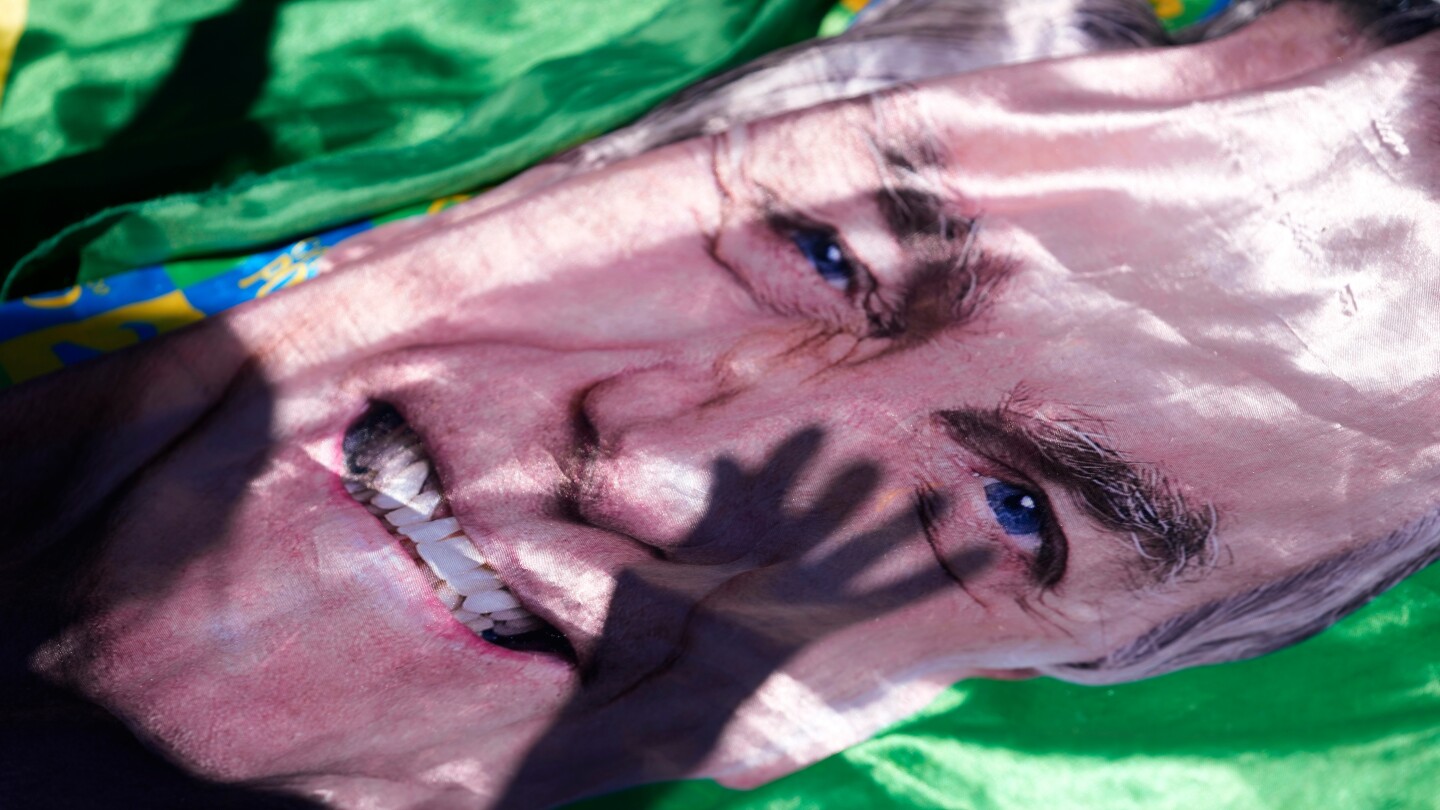
This development occurs against the backdrop of Bolsonaro’s own imprisonment since November, following his conviction and 27-year sentence for orchestrating efforts to retain power after his 2022 electoral defeat. The former president’s health has become a complicating factor, as he remains hospitalized following double hernia surgery and is undergoing treatment for persistent hiccups that have plagued him for nine months, according to statements from his wife.
The trials have captivated a nation with fresh memories of its military dictatorship era, which ended in 1985. International dimensions continue to evolve, particularly with the United States’ shifting stance. Initially condemning the proceedings as a ‘witch hunt’ under the Trump administration—which imposed tariffs and sanctions against Judge de Moraes—the U.S. has recently moderated its position, lifting sanctions and reducing tariffs on key Brazilian exports like beef and coffee as trade negotiations progress.