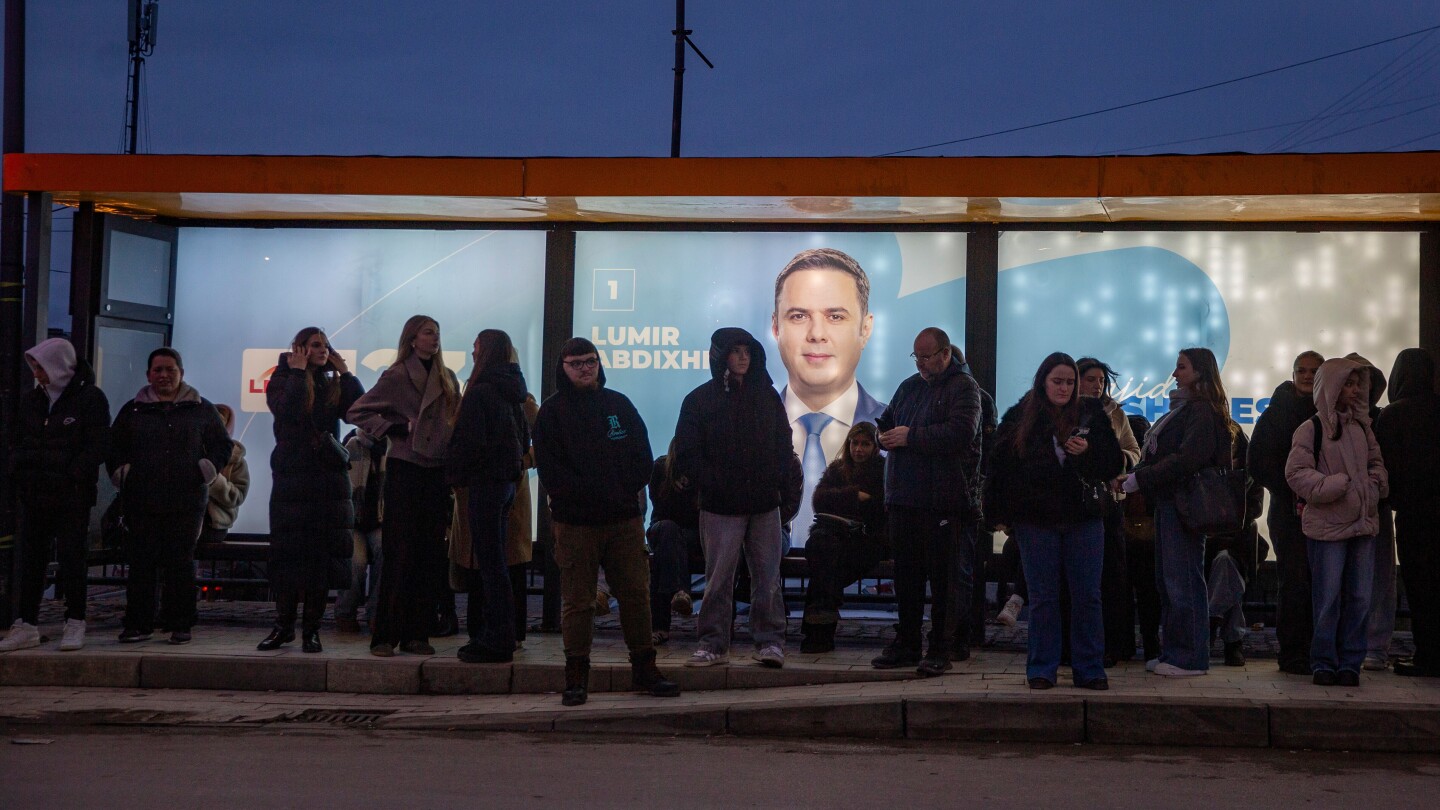
PRISTINA, Kosovo — Citizens of Kosovo are heading to the polls for the second time this year in a crucial snap parliamentary election aimed at breaking a political impasse that has plunged the Balkan nation into its most severe governmental crisis since declaring independence in 2008. The extraordinary Sunday vote follows Prime Minister Albin Kurti’s Self-Determination Movement’s inability to form a governing coalition despite securing a plurality in February’s ballot.
This electoral deadlock represents unprecedented political paralysis for Kosovo, which hasn’t faced such governmental formation difficulties throughout its fifteen-year history as an independent state. Current projections suggest Kurti’s party remains the frontrunner, though political analysts question whether it can secure the necessary 61-seat majority in the 120-member Assembly.
The prolonged political vacuum has prevented legislative approval of next year’s national budget, raising concerns about potential economic repercussions for one of Europe’s poorest nations. The crisis compounds existing challenges for Kosovo’s 2 million citizens, who already grapple with soaring inflation and economic instability.
Further complicating the political landscape, lawmakers must elect a new president by March as current President Vjosa Osmani’s term concludes in early April. Failure to reach consensus on presidential selection could trigger yet another snap election, extending the period of governmental uncertainty.
Regional security concerns loom large over the electoral process. Serbia continues to reject Kosovo’s sovereignty, while Russia’s invasion of Ukraine has heightened anxieties about potential instability in the volatile Balkans region, where Moscow maintains influence through its Serbian alliance.
In February’s contest, Self-Determination captured approximately 42% of votes, narrowly outpacing the combined opposition bloc of the Democratic League of Kosovo and Democratic Party of Kosovo, which secured about 40%. Political analyst Leart Hoxha notes that marginal voting shifts could dramatically alter power dynamics, potentially enabling Kurti to form minority coalitions or forcing him into opposition.
Kurti faces criticism from mainstream opposition parties accusing him of authoritarian tendencies and damaging relations with key Western allies. The United States and European Union have imposed punitive measures in response to Kurti’s uncompromising stance in EU-mediated normalization talks with Belgrade.
Despite these challenges, Kurti has campaigned vigorously, urging Kosovo’s 1.9 million voters to deliver a decisive mandate. “We must achieve another victory that ensures rapid constitution of the national assembly and a stable government with full mandate,” he declared at a recent campaign rally.
The campaign has centered on Kosovo’s persistent economic difficulties and national security concerns. Bedri Hamza, former governor of the Kosovo National Bank, highlighted widespread public frustration: “Wherever I go, citizens tell me the same thing—life has become too expensive, salaries are insufficient, prices rise daily.”
Security remains paramount following 2023’s violent clashes with ethnic Serb communities in northern Kosovo, which injured numerous NATO peacekeepers. A recent positive development saw ethnic Serb mayors assume power peacefully after municipal elections.
In a controversial move, Kurti’s administration has agreed to accept third-country migrants deported from the United States under Trump-era immigration policies, with one individual already transferred according to authorities.
As one of six Western Balkan nations pursuing EU membership, Kosovo faces the additional requirement of normalizing relations with Serbia before accession talks can advance—a diplomatic challenge that will confront whichever government eventually emerges from this electoral process.