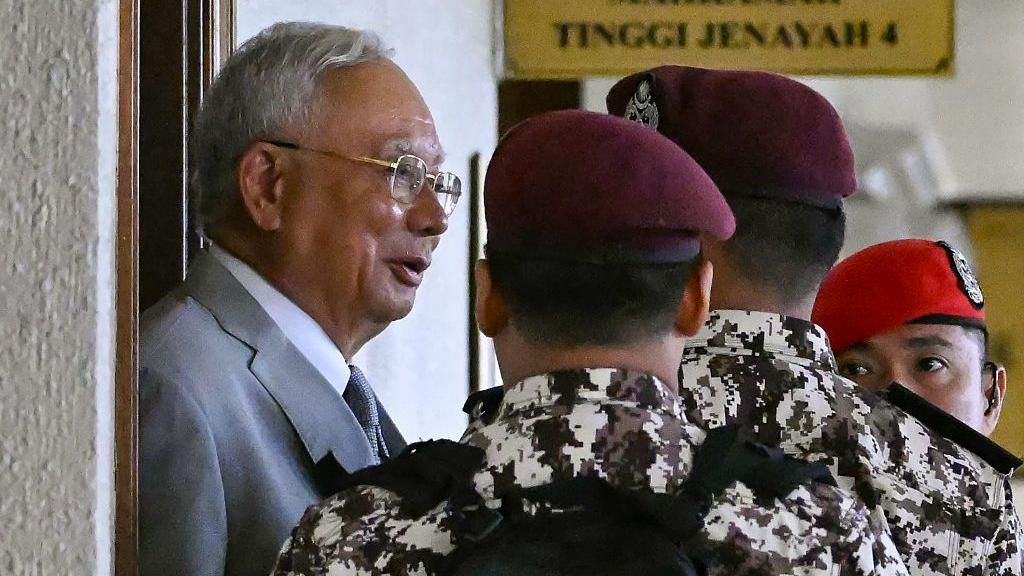
In a landmark ruling that marks another chapter in Malaysia’s extensive 1MDB corruption saga, former Prime Minister Najib Razak has been found guilty on multiple criminal charges. The High Court in Putrajaya delivered convictions on Friday against the 72-year-old leader for abuse of power and money laundering offenses involving approximately 2.3 billion Malaysian ringgit ($569 million).
The verdict represents the second major legal setback for Najib within a single week and his second conviction overall in connection with the massive sovereign wealth fund scandal. Presiding Judge Justice Collin Lawrence Sequerah found the former leader culpable on four counts of abuse of power and twenty-one counts of money laundering following a protracted seven-year trial that heard testimony from 76 witnesses.
This latest conviction adds to Najib’s existing legal troubles—he is already serving a six-year prison term from a 2020 conviction involving the misappropriation of 42 million ringgit from SRC International, a former subsidiary of 1MDB. That sentence was subsequently reduced by half last year through a controversial royal pardon.
The current case centers on substantially larger sums that entered Najib’s personal accounts in 2013, which he maintained were legitimate donations from the late Saudi monarch King Abdullah. The court systematically rejected this defense during proceedings.
Despite his legal predicament, Najib retains considerable political support. Dozens of loyalists gathered outside the courthouse during the verdict, echoing his legal team’s assertions that he was misled by financial advisers including fugitive financier Jho Low. The scandal’s ripple effects extend beyond Najib to his wife, Rosmah Mansor, who received a ten-year bribery sentence in 2022 and currently remains free on bail pending appeal.
The 1MDB affair—which involved an estimated $4.5 billion diverted from state coffers—triggered profound political repercussions including the historic 2018 electoral defeat of Najib’s Barisan Nasional coalition, which had governed Malaysia since independence in 1957. The recent verdict has exposed tensions within the current ruling coalition that includes Najib’s United Malays National Organisation (UMNO).
Prime Minister Anwar Ibrahim has called for universal respect of judicial decisions, while anti-corruption advocate Cynthia Gabriel of the Center to Combat Corruption and Cronyism cautioned that systemic reforms remain incomplete despite high-profile convictions. The case continues to serve as both a warning to powerful figures and a benchmark for Malaysia’s ongoing anti-corruption efforts.