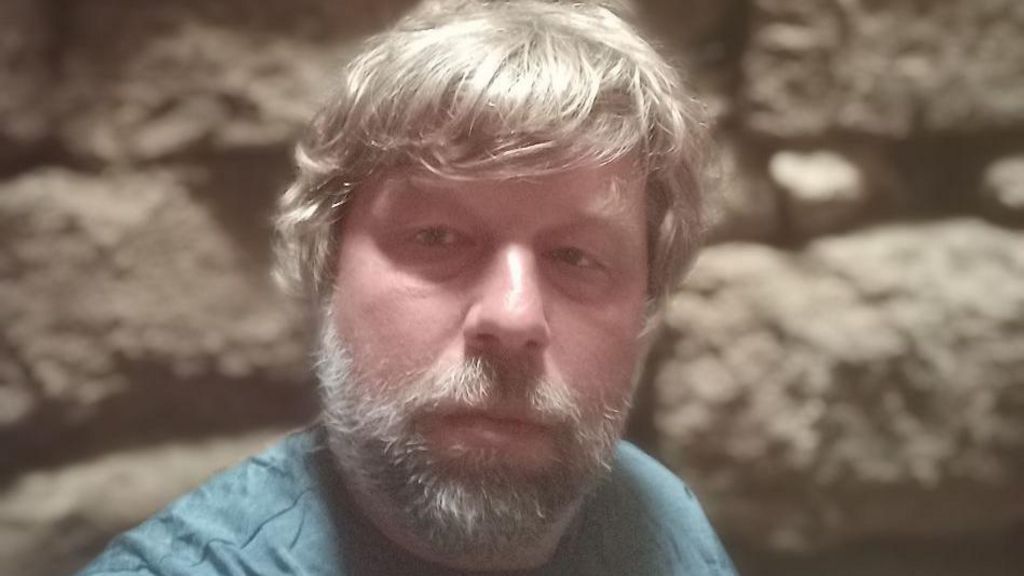
The arrest of Russian archaeologist Alexander Butyagin in Warsaw has become a focal point in the escalating tension between cultural preservation and geopolitical conflict. Butyagin, a senior scholar at St. Petersburg’s Hermitage Museum, faces potential extradition to Ukraine over allegations of conducting illegal excavations in Crimea since Russia’s 2014 annexation of the peninsula.
Ukrainian authorities accuse Butyagin of violating international protocols by continuing archaeological work at the ancient Greek site of Myrmekion without proper authorization. The 6th-century BC settlement, where Butyagin has led expeditions since 1999, contains artifacts dating to Alexander the Great’s era. A Kyiv court issued an arrest warrant in April 2025, charging him with ‘illegal partial destruction’ of an archaeological complex and unauthorized excavations.
The case highlights a fundamental conflict: Butyagin’s supporters claim he has protected Crimea’s heritage from looting, while critics argue his work legitimizes Russia’s occupation. Under the Hague Convention’s 2nd Protocol, which both Poland and Ukraine have ratified, occupying powers must prevent archaeological excavations except in narrowly defined circumstances. Russia, not a party to the protocol, has permitted continued work through its Ministry of Culture.
Evelina Kravchenko of Ukraine’s National Academy of Sciences asserts that any excavation during armed conflict without permission constitutes destruction, regardless of ethical intentions. The Hermitage maintains Butyagin complied with all legal norms, transferring finds to Crimea’s Eastern Crimean Museum rather than removing them to Russia—though this still violates Ukrainian law requiring artifacts to remain in Ukraine’s national museum fund.
The extradition decision carries significant implications for European courts’ handling of similar cases. Previous requests have been denied citing the European Convention on Human Rights, which prohibits politically motivated persecution. Legal expert Gleb Bogush suggests that primary responsibility lies with Russian state officials rather than individual archaeologists, though this distinction may not shield Butyagin from prosecution.
The case has drawn unusual alliances, with both Kremlin supporters and Russian anti-war figures defending Butyagin’s work. Meanwhile, cultural property experts like Samuel Andrew Hardy contend that official excavations don’t necessarily prevent looting and should not excuse violations of international law during occupation.