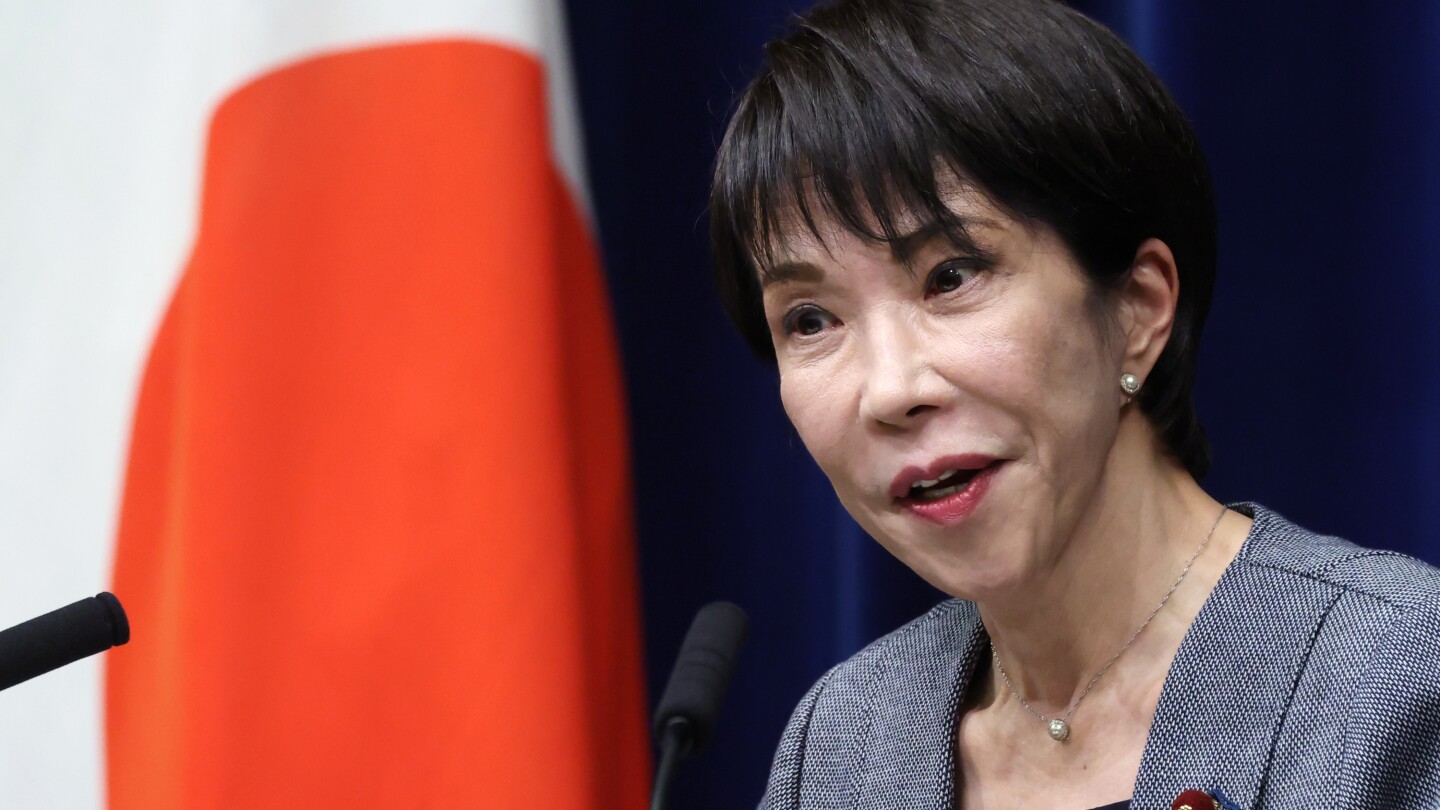
The Japanese Cabinet has greenlit an unprecedented defense expenditure plan surpassing 9 trillion yen ($58 billion) for fiscal year 2026, representing a 9.4% increase from the previous year. This strategic allocation marks the fourth installment of Japan’s accelerated five-year military expansion initiative, which aims to double annual defense spending to reach 2% of GDP by March—two years ahead of the original schedule.
The budget enhancement occurs against a backdrop of escalating regional tensions, particularly with China. Prime Minister Sanae Takaichi’s November remarks regarding potential Japanese military involvement in Taiwan scenarios have intensified diplomatic friction. Recent incidents, including Chinese aircraft carrier drills near Japanese territories and radar locking incidents, have further heightened security concerns.
A significant portion of the budget—over 970 billion yen ($6.2 billion)—is designated for enhancing Japan’s ‘standoff’ missile capabilities. This includes 177 billion yen ($1.13 billion) for acquiring upgraded Type-12 surface-to-ship missiles with an extended range of approximately 1,000 kilometers. Deployment in Kumamoto prefecture will commence by March, accelerating regional missile defense preparations.
Addressing demographic challenges and military staffing shortages, Japan will invest 100 billion yen ($640 million) in the SHIELD initiative—a comprehensive unmanned defense system utilizing aerial, surface, and underwater drones for coastal surveillance. Initial deployments will rely on imported technology from nations like Turkey or Israel.
The budget also supports international defense collaboration, allocating 160 billion yen ($1 billion) for joint development of next-generation fighter jets with Britain and Italy, alongside AI-operated companion drones. Australia’s selection of Mitsubishi Heavy Industries for frigate upgrades further strengthens Japan’s defense industry exports.
Funding mechanisms include corporate and tobacco tax increases, with income tax hikes planned from 2027. While Japan is poised to become the world’s third-largest defense spender, long-term fiscal sustainability for maintaining this elevated spending level remains uncertain.