India’s remarkable transformation into a global solar energy leader is confronting an emerging environmental challenge: the impending tidal wave of solar panel waste. Having ascended to become the world’s third-largest solar producer within just a decade, the nation now faces the complex task of managing the lifecycle of its renewable infrastructure.
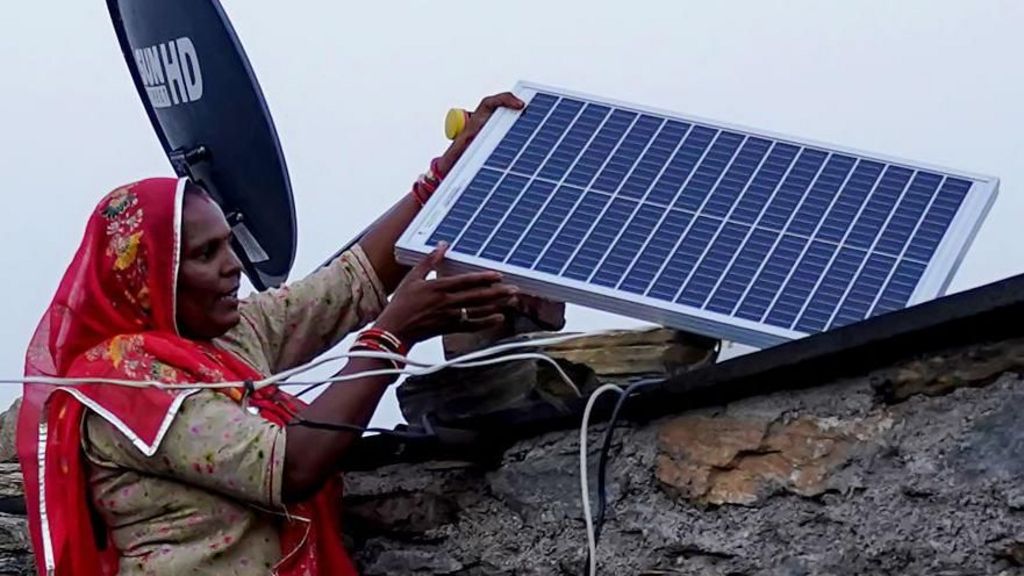
The solar revolution has visibly transformed India’s landscape, with vast utility-scale parks and millions of rooftop installations feeding power into the national grid. Government statistics reveal nearly 2.4 million households have adopted solar technology through subsidy programs, significantly reducing reliance on coal-fired generation despite thermal power still dominating over half of installed capacity.
While solar energy generation itself produces minimal emissions, the disposal of decommissioned panels presents significant environmental risks. Solar modules contain potentially toxic materials including lead and cadmium that can contaminate soil and water systems if improperly handled. With panels typically lasting 25 years, the first major wave of installations from the mid-2010s will begin reaching end-of-life within the next decade.
Current estimates suggest India has already accumulated approximately 100,000 tonnes of solar waste, with projections indicating this could swell to 600,000 tonnes by 2030 and exceed 11 million tonnes by 2047. A comprehensive study by the Council on Energy, Environment and Water (CEEW) calculates that managing this volume would require nearly 300 dedicated recycling facilities and an investment approaching $500 million over the next two decades.
The regulatory framework remains underdeveloped. Although India brought solar panels under e-waste management rules in 2022, making manufacturers responsible for collection and recycling, enforcement remains inconsistent. This is particularly problematic for distributed rooftop installations, which constitute 5-10% of capacity but are significantly more challenging to track and process.
Environmental expert Sai Bhaskar Reddy Nakka warns: “Solar power creates an illusion of clean energy for two decades, but without serious recycling planning it risks leaving behind a graveyard of modules rather than an environmental legacy.”
Despite these challenges, the situation presents substantial economic opportunities. Efficient recycling could reclaim 38% of materials for new panel production by 2047 while preventing 37 million tonnes of carbon emissions from virgin material extraction. Markets already exist for glass and aluminum components, while precious metals including silicon, silver and copper can be recovered for reuse across industries.
Energy analyst Rohit Pahwa notes: “As waste volumes increase, so will demand for companies specializing in processing these materials.” Currently, most recycling focuses on low-value components through basic methods, with precious metals frequently lost or damaged during extraction.
Experts emphasize that the coming decade will be decisive for India’s renewable ambitions. Building a regulated, self-sustaining recycling ecosystem requires urgent action—including integrating waste management into business models, raising consumer awareness, and ensuring manufacturers and profiteers assume responsibility for end-of-life processing. Without these measures, today’s clean energy triumph risks becoming tomorrow’s environmental burden.