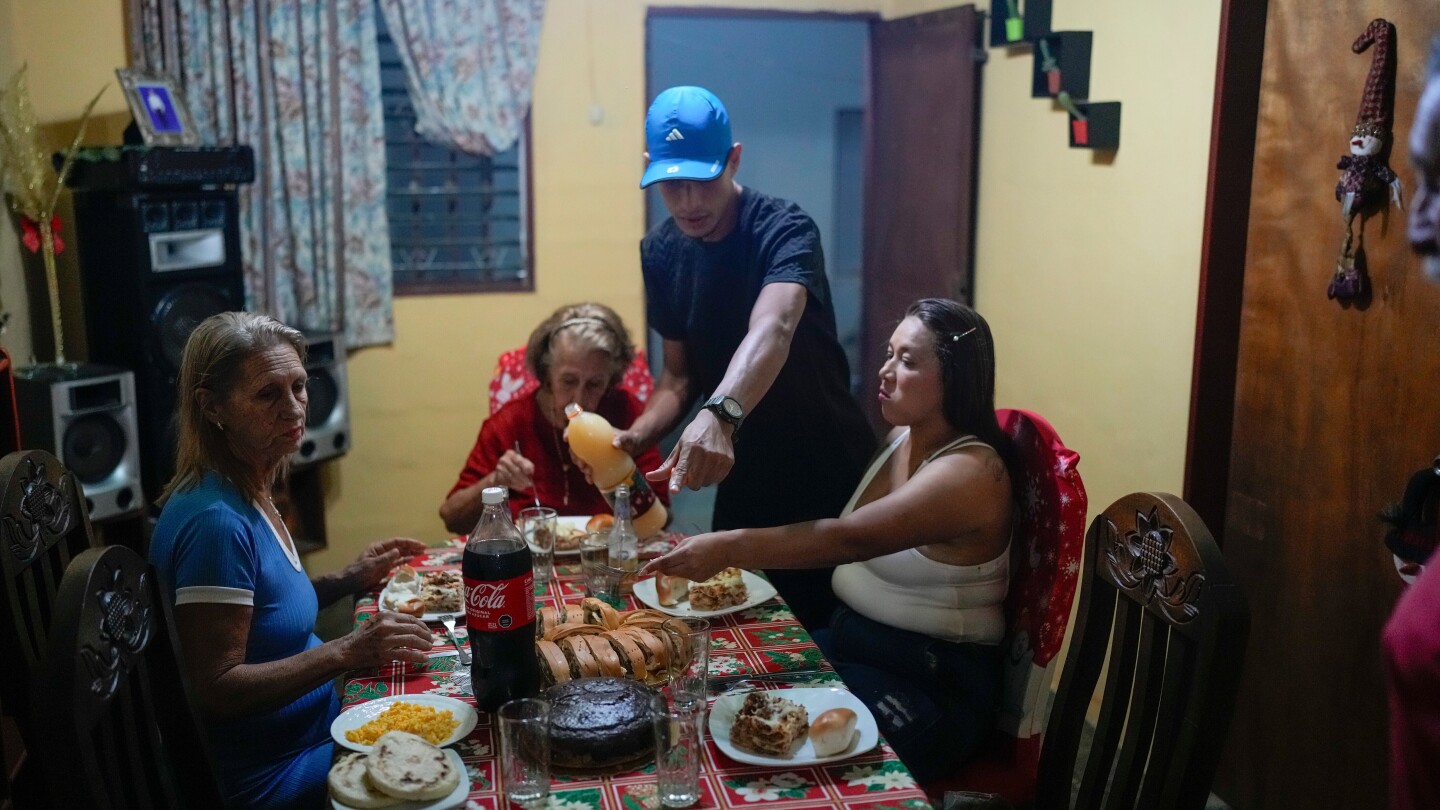
MARACAY, Venezuela — For Mariela Gómez and thousands of other Venezuelan migrants, this Christmas marked an unexpected and painful homecoming rather than the realization of their American dream. The return of Donald Trump to the White House in January triggered immediate immigration policy changes that ultimately reversed their journeys, forcing them back to the economic devastation they had originally fled.
Gómez spent her first holiday season in eight years in northern Venezuela, where she maintained festive appearances by dressing up, preparing meals, and presenting her son with a scooter. Yet behind these gestures lay the harsh realities confronting returning migrants: pervasive unemployment and crushing poverty. Her family substituted their traditional hallacas—stuffed corn dough that has become prohibitively expensive—with a modest lasagna-like dish for their Christmas dinner.
The Gómez family’s odyssey ended on October 27 when they returned to Maracay after being apprehended by U.S. Border Patrol in Texas under the Trump administration’s intensified immigration enforcement. Their deportation to Mexico initiated a dangerous return journey through Central America. Unable to afford conventional transit from Panama to Colombia, they risked their lives traveling atop gasoline tanks on a cargo boat through Pacific waters before transferring to a speedboat reaching jungle territories.
Gómez represents one of over 7.7 million Venezuelans who fled their homeland during the past decade amid economic collapse fueled by oil price declines, corruption, and governmental mismanagement. After years residing in Colombia and Peru, she had pinned her hopes on building a new life in the United States—hopes that were extinguished by Trump’s second-term policies.
Official figures from Colombia, Panama, and Costa Rica reveal that more than 14,000 migrants, predominantly Venezuelans, have returned to South America since September due to U.S. migration restrictions. This repatriation accelerated after Venezuelan President Nicolás Maduro, under White House pressure, reversed his long-standing policy of refusing deportees from the United States. Over 13,000 immigrants returned this year aboard chartered flights operated by U.S. government contractors and Venezuela’s state airline.
The silver lining for Gómez was reuniting with the 20-year-old daughter she had left behind during Venezuela’s crisis. Their holiday gathering carried bittersweet undertones as her daughter prepares to migrate to Brazil next month. As the new year approaches, Gómez clings to twin aspirations: preparing traditional hallacas for New Year’s Eve and securing employment. Her fundamental prayer, however, remains centered on health and survival amid continuing uncertainty.