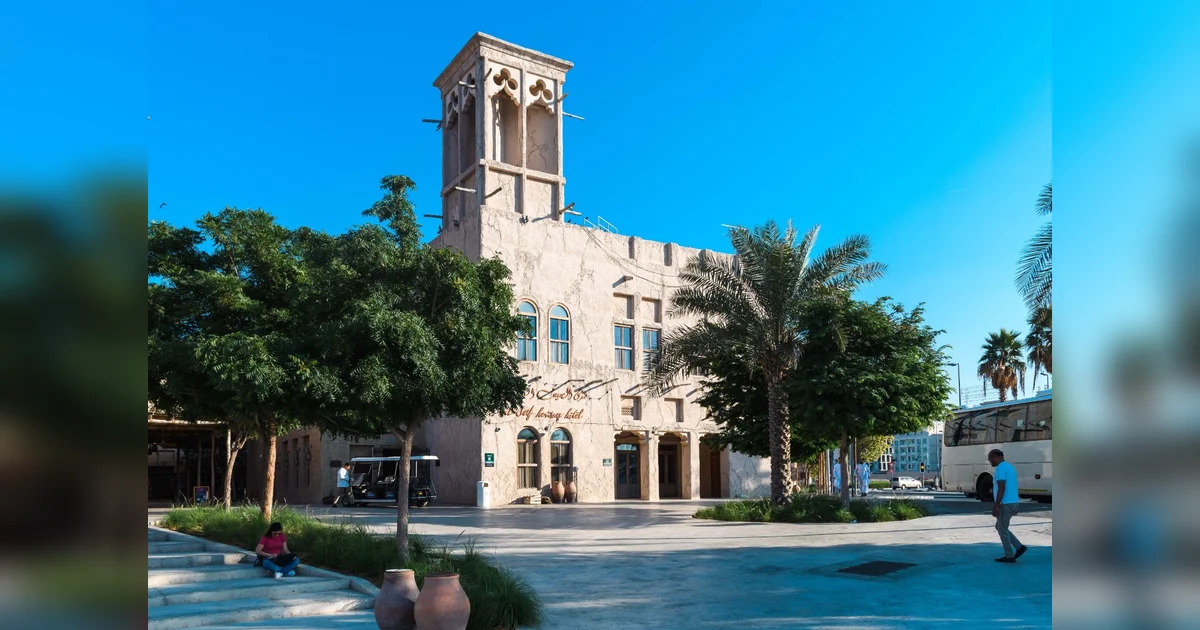
The United Arab Emirates’ hospitality sector is undergoing a fundamental revaluation as investors increasingly perceive boutique hotels not merely as operational ventures but as strategic real estate holdings. This paradigm shift reflects the market’s maturation beyond traditional performance metrics toward recognizing the inherent physical asset value of design-forward, smaller-scale properties.
According to industry analysis, boutique establishments deliver dual-faceted value: they generate strong emotional connections through unique guest experiences while simultaneously producing differentiated economic returns for proprietors. Gaurang Jhunjhnuwala, Group CEO of Naumi Hotels, emphasizes that these properties typically achieve higher direct booking rates, cultivate niche loyalty segments, and benefit from organic marketing advantages through their distinctive character.
The investment thesis gains strength from compelling market fundamentals. Knight Frank’s UAE Hospitality Market Review for Autumn 2025 reveals robust performance indicators across the Emirates, with revenue per available room (RevPAR) and average daily rates (ADR) climbing 11.9% year-on-year through August. Occupancy rates reached 78.5%, with Abu Dhabi leading the surge at 24% RevPAR growth and 20.2% ADR increase, followed by sustained expansion in Dubai and Ras Al Khaimah.
Strategic advantages include prime urban positioning and mid-sized footprints that offer superior asset liquidity compared to large-scale resorts. These characteristics enable easier repurposing, trading, or rebranding flexibility—increasingly valuable attributes for capital seeking long-term appreciation rather than short-term yields.
The market’s evolution is further evidenced by supply dynamics. UAE hotel room inventory is projected to grow moderately from approximately 213,928 existing rooms to 217,853 by end-2025, eventually reaching 235,674 rooms across 1,184 properties by 2030, with significant concentration in luxury segments.
This transformed perspective informs contemporary investment strategies, with many operators prioritizing acquisition and conversion of existing buildings over ground-up development. This approach reduces construction risks, accelerates market entry, and preserves inherent architectural character through thoughtful redesign. Secondary markets including Abu Dhabi and Ras Al Khaimah are emerging as complementary investment hubs specializing in leisure-driven opportunities.
Critical to long-term valuation is the integration of authentic design DNA with operational excellence. Properties that successfully articulate local narratives and deliver culturally resonant experiences demonstrate pricing power and guest loyalty that transcend market cycles. Operational sophistication—from energy-efficient systems to technology-enhanced revenue management—further bolsters margins without compromising experiential quality.
As the market matures, the convergence of design clarity, operational discipline, and physical adaptability positions boutique hotels as cornerstone assets in value-driven hospitality investment portfolios, signaling a permanent transformation in how the industry evaluates property worth.