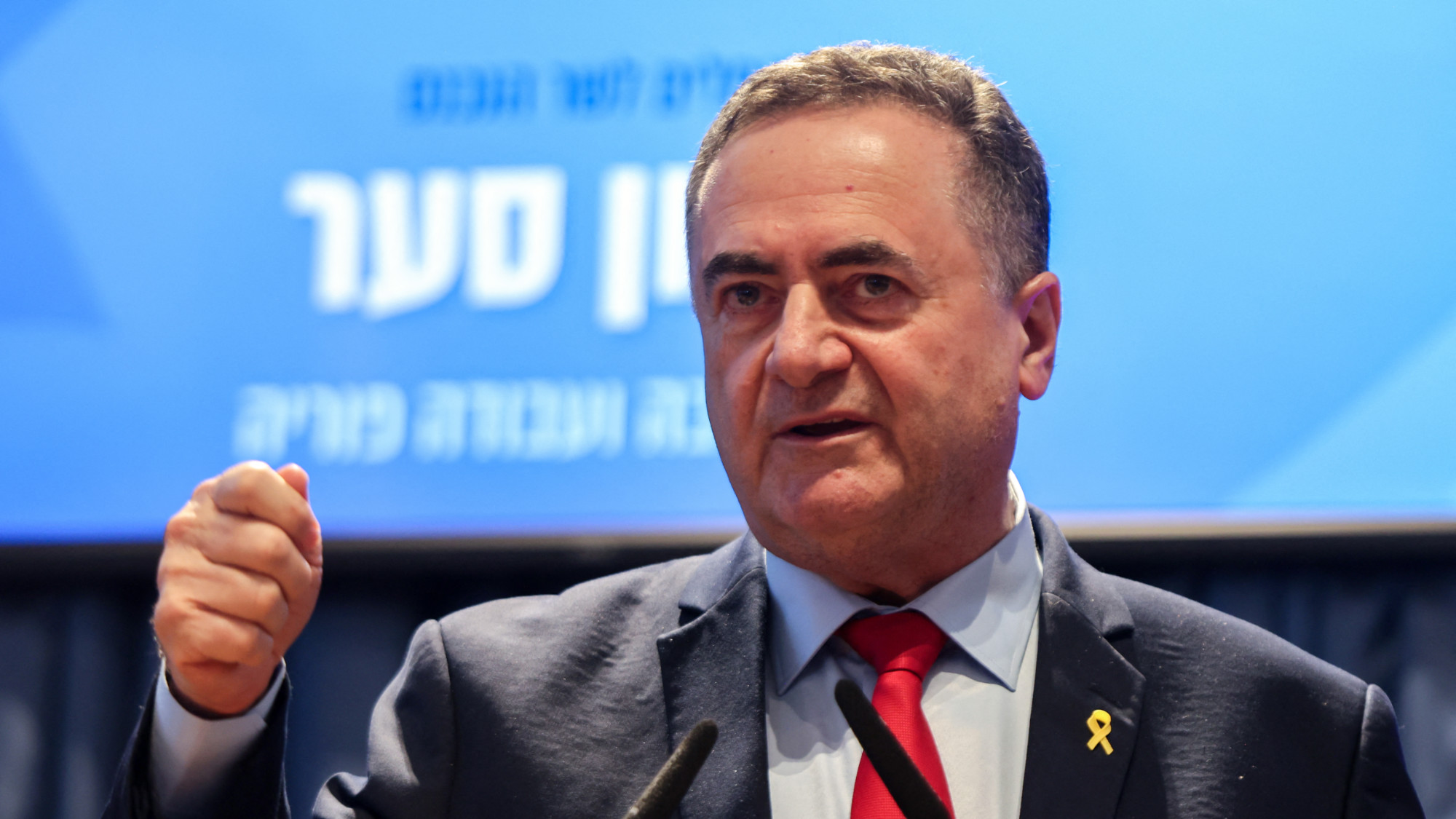
Israeli Defense Minister Israel Katz has reaffirmed his controversial stance advocating for the establishment of Israeli settlements within the Gaza Strip, despite international law explicitly prohibiting such actions in occupied Palestinian territories. Speaking at a conference on Thursday, Katz articulated his vision for the Nahal military unit to construct outposts that would eventually transition into officially recognized settlements, asserting this would occur “in due time.
This declaration follows Katz’s earlier remarks this week proposing “Nahal” settlements in northern Gaza, which prompted immediate backtracking from his office amid concerns about straining relations with the United States. However, Katz has since dismissed suggestions of retracting his statements, instead doubling down on his position during his latest public appearance.
The minister further elaborated on Israel’s long-term security strategy, stating the nation “will never fully withdraw” from Gaza. He outlined plans for maintaining “a significant security area inside the Strip” even in potential ceasefire scenarios involving Hamas disarmament. Drawing parallels to ongoing Israeli military presence in Lebanon, Syria, and the West Bank, Katz emphasized Israel’s autonomous security decisions, stating: “We don’t trust anyone, and no one will come and tell us – there will be no agreement.”
Katz’s proposals have garnered support from far-right settler organizations, including the Nachala Settlement Movement and the Yesha Council. The latter framed potential settlements as retribution for the October 7 attacks, stating they would demonstrate that “for the massacre of 7 October [2023], he is paying with land and in perpetuity.” Nachala claims over 1,000 families stand ready to settle in Gaza immediately.
This stance directly contradicts the ceasefire proposal put forward by US President Donald Trump, which envisions near-total Israeli withdrawal from Gaza. Israel previously maintained 21 settlements in Gaza before disengaging from the territory in 2005, while approximately 700,000 settlers currently reside in around 250 illegal settlements across the West Bank and East Jerusalem.