India’s principal food regulatory body has instituted rigorous labeling protocols specifically governing the commercial use of the term ‘tea’ on consumer products. The Food Safety and Standards Authority of India (FSSAI) has issued an official directive to food commissioners across all states and union territories, establishing clear parameters for product classification.
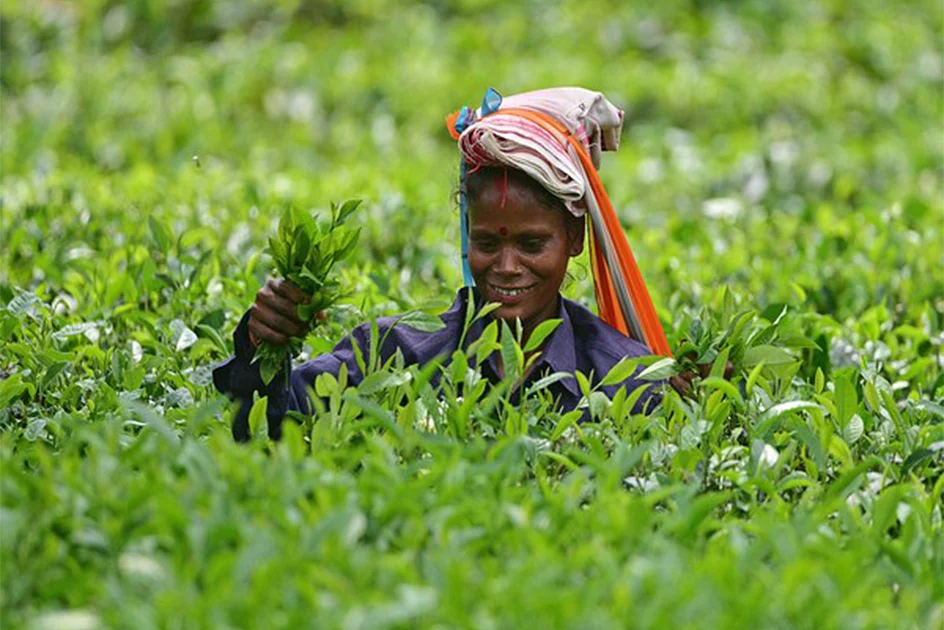
According to the new standards, only beverages derived from the Camellia sinensis plant—including varieties such as Kangra tea, green tea, and instant tea—are permitted to carry the ‘tea’ designation on packaging. The regulatory authority has classified the application of the term to herbal infusions or plant-based beverages not originating from this specific botanical source as fundamentally misleading marketing practice. This categorization falls under the legal definitions of misbranding as outlined in the Food Safety and Standards Act of 2006.
The comprehensive directive explicitly mandates that all food business operators—encompassing manufacturers, packers, marketers, importers, and e-commerce platforms involved in product sales—must adhere to these revised regulations. Furthermore, the FSSAI has reinforced packaging requirements stipulating that the front-facing display of every product must accurately identify the food’s composition and true nature.
Non-compliance with these updated standards will trigger enforcement actions pursuant to the established legal framework, potentially resulting in significant penalties for violators. This regulatory enhancement aims to foster greater transparency within India’s substantial tea market, ensuring consumers receive accurate product information and preventing marketplace confusion regarding beverage composition and origins.