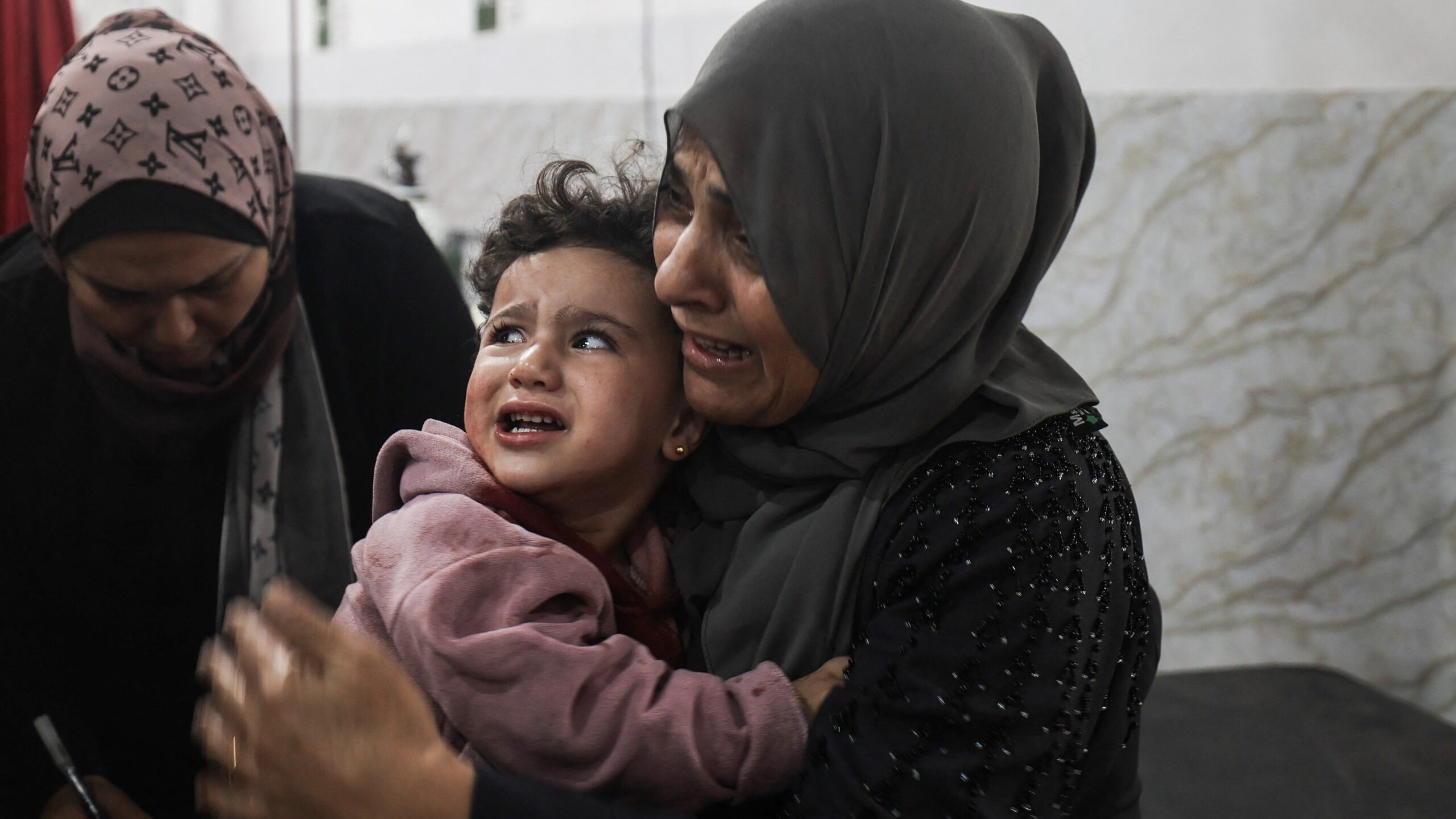
A critical medical facility in the Gaza Strip has been compelled to halt most operations due to severe fuel shortages, exacerbating the humanitarian crisis in the conflict-ravaged territory. Al-Awda Hospital, situated in the Nuseirat refugee camp, announced the suspension of services on Thursday despite a ceasefire agreement intended to facilitate aid delivery.
Hospital director Ahmed Muhanna conveyed to Al Jazeera Mubasher that staff made the decision ‘with a heavy heart’ as dwindling fuel supplies rendered normal operations impossible. The institution, which typically handles approximately 1,500 births monthly—representing nearly 30% of all deliveries in Gaza—has been a lifeline for maternal healthcare and malnutrition treatment.
The suspension affects all but the most critical emergency and maternity cases, with at least 30 malnourished children requiring transfer to other medical facilities. Muhanna warned that complete cessation of services would trigger ‘a real crisis,’ appealing for international intervention to address the fuel shortage.
This development occurs despite the October ceasefire agreement that obligated Israel to permit 600 aid trucks—including 50 fuel trucks—into Gaza daily. However, the Gaza-based Government Media Office reports only about 10% of the agreed fuel supply has reached the territory since the truce began. The resulting shortages have paralyzed hospitals, bakeries, and water treatment plants across the Strip.
Concurrently, violence has persisted despite the ceasefire, with Israeli forces reportedly killing a Palestinian man in Beit Lahia on Thursday. Prime Minister Benjamin Netanyahu had previously threatened escalated attacks, accusing Hamas of violating the ceasefire and a proposed peace plan. Hamas denied involvement in an incident that wounded an Israeli soldier, suggesting it resulted from explosive remnants left by Israeli forces.