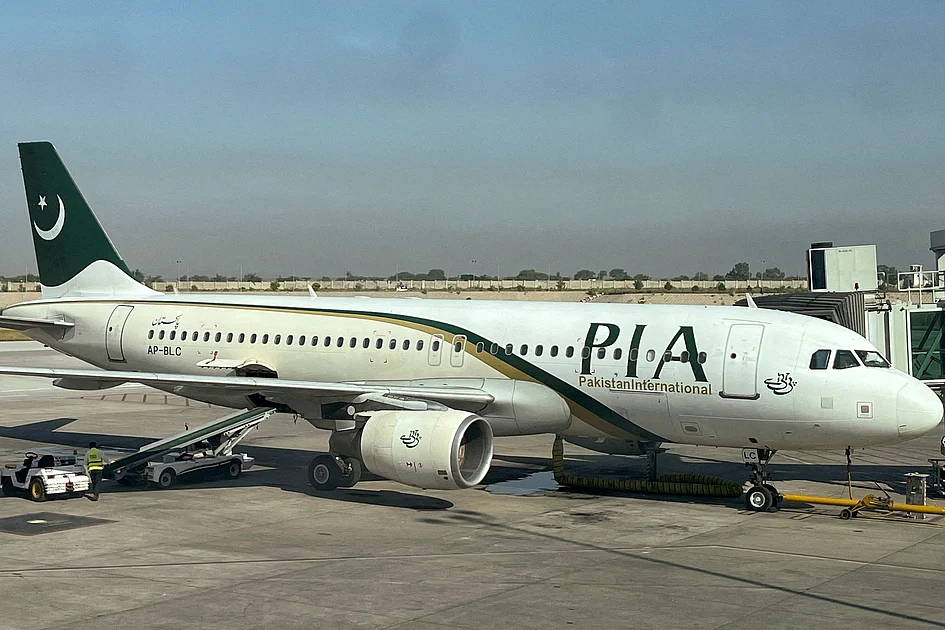
Pakistan International Airlines (PIA), the nation’s flagship carrier, is poised to transition to new ownership by April 2025 following a successful privatization auction. A consortium led by Arif Habib Corporation emerged victorious with a winning bid of 135 billion rupees ($482.14 million), significantly exceeding the government’s reserve price of 100 billion rupees.
The transaction structure represents a strategic approach to revitalizing the airline rather than a simple ownership transfer. The government will receive 10 billion rupees in immediate cash payment while retaining a 25% stake valued at approximately 45 billion rupees. Crucially, the arrangement mandates substantial fresh capital injection into the struggling carrier.
Muhammad Ali, Privatization Adviser to the Prime Minister, emphasized the government’s commitment to sustainable transformation: “We intentionally structured this deal to prevent a scenario where the government collects payment only to see the company collapse afterward.”
The privatization process now advances toward final approvals from the Privatization Commission board and federal cabinet, expected within days. Contract signing is anticipated within two weeks, with financial closure projected within 90 days to satisfy regulatory requirements.
The winning consortium includes diverse Pakistani business interests: fertilizer manufacturer Fatima, private education network City Schools, and real estate developer Lake City Holdings Limited. The agreement permits the addition of up to two qualified partners, potentially including international aviation experts or additional financial partners.
Labor protections form a key component of the transition, requiring the new owners to maintain all current employees with unchanged contracts for at least twelve months following the transaction completion.
This privatization represents a critical milestone in Pakistan’s economic reform agenda, particularly watched by the International Monetary Fund which has consistently advocated for reducing losses from state-owned enterprises. Successful completion would demonstrate Pakistan’s commitment to structural reforms while alleviating pressure on public finances.