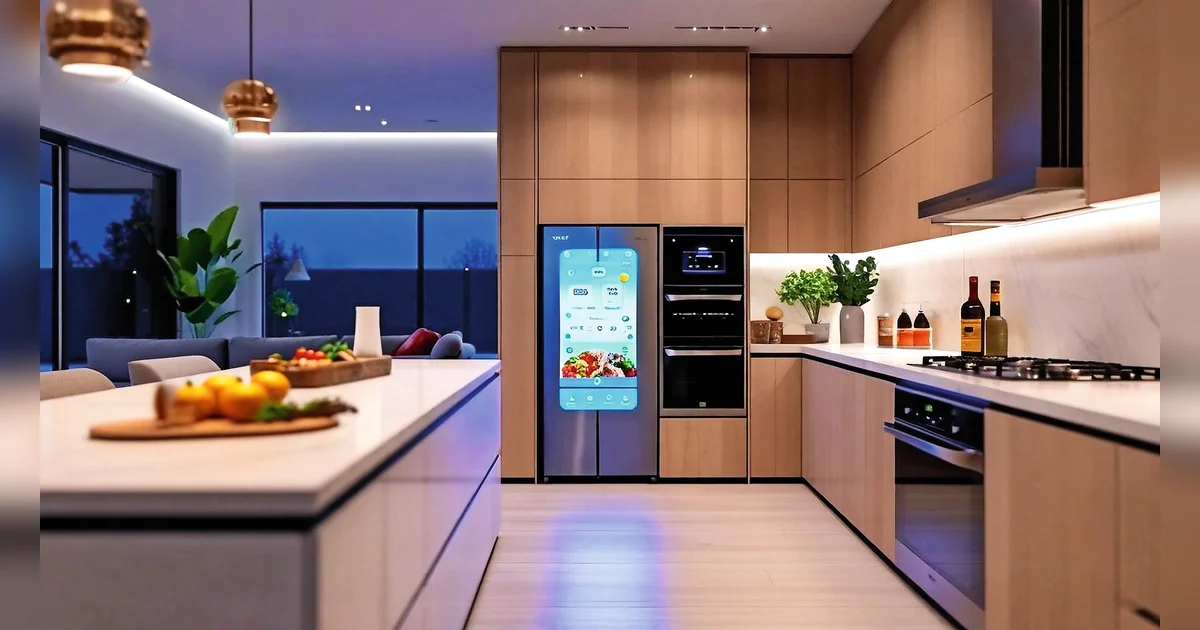
Dubai’s residential architecture is undergoing a profound transformation as conventional kitchens yield to sophisticated ‘Smart Kitchen’ concepts that prioritize seamless integration and minimalist design. This evolution represents a fundamental shift from the traditionally segregated kitchen spaces of the twentieth century toward emotionally cohesive living environments where cooking areas blend imperceptibly with living spaces.
The contemporary Smart Kitchen paradigm, now embraced across Dubai’s luxury residences, emphasizes intelligent design over technological gimmickry. This approach manifests through retractable counters, concealed appliances, and sliding surfaces that collectively dissolve boundaries between culinary functions and social activities. The kitchen transitions from a purely mechanical zone to an architectural statement that supports domestic life without visual intrusion.
Architectural minimalism drives this transformation, requiring flawless execution and precision craftsmanship. As noted by architect Jennifer Tulley, ‘Minimalism simplifies structural elements to their essential components, thriving on the beauty of forms and materials rather than decorative additions.’ This philosophy demands perfect alignment, level surfaces, and meticulous installation since any imperfection becomes immediately apparent in such pared-down environments.
Appliance manufacturers have responded to this trend with products designed for architectural integration rather than prominence. TEKA’s Invisible Kitchen concept exemplifies this shift, with their Infinity G1 Series—designed by Giugiaro Italdesign—featuring black finishes and copper accents that complement contemporary materials like stone and matte laminates. These appliances function as sculptural elements within cabinetry rather than standalone machines.
The most revolutionary innovation comes in ventilation technology. Ceiling-integrated hoods now preserve clean sightlines by fitting flush within ceiling planes, performing powerfully without visual disruption. This maintains open, elegant spaces even during active cooking.
Surface materials have evolved correspondingly. Cosentino’s Dekton range, for instance, combines aesthetic appeal with exceptional durability—resisting scratches, stains, heat, and UV exposure while maintaining visual purity. These materials create unified visual fields that support the disappearing kitchen concept.
The practical implementation results in spaces that adapt dynamically to domestic needs. Islands become sculptural anchors for both cooking and socializing; cabinetry blends with living room furniture; lighting transitions to warm ambiance rather than harsh task illumination. The kitchen integrates seamlessly into social settings during gatherings and recedes to calmness afterward.
Dubai’s innovation-friendly environment positions it to lead the next phase of this evolution, where kitchens will merge completely into living areas, appliances will achieve deeper integration with architecture, and atmospheric quality will surpass functional priorities as the primary design driver. The future home will be defined not by separate rooms but by unified spatial experiences that prioritize emotional comfort and refined living.