BRUSSELS — The European Union has issued a stern warning to the United States following the State Department’s imposition of travel restrictions on five European digital policy figures, including former EU Commissioner Thierry Breton. The move has ignited a significant diplomatic confrontation over digital sovereignty and content moderation policies.
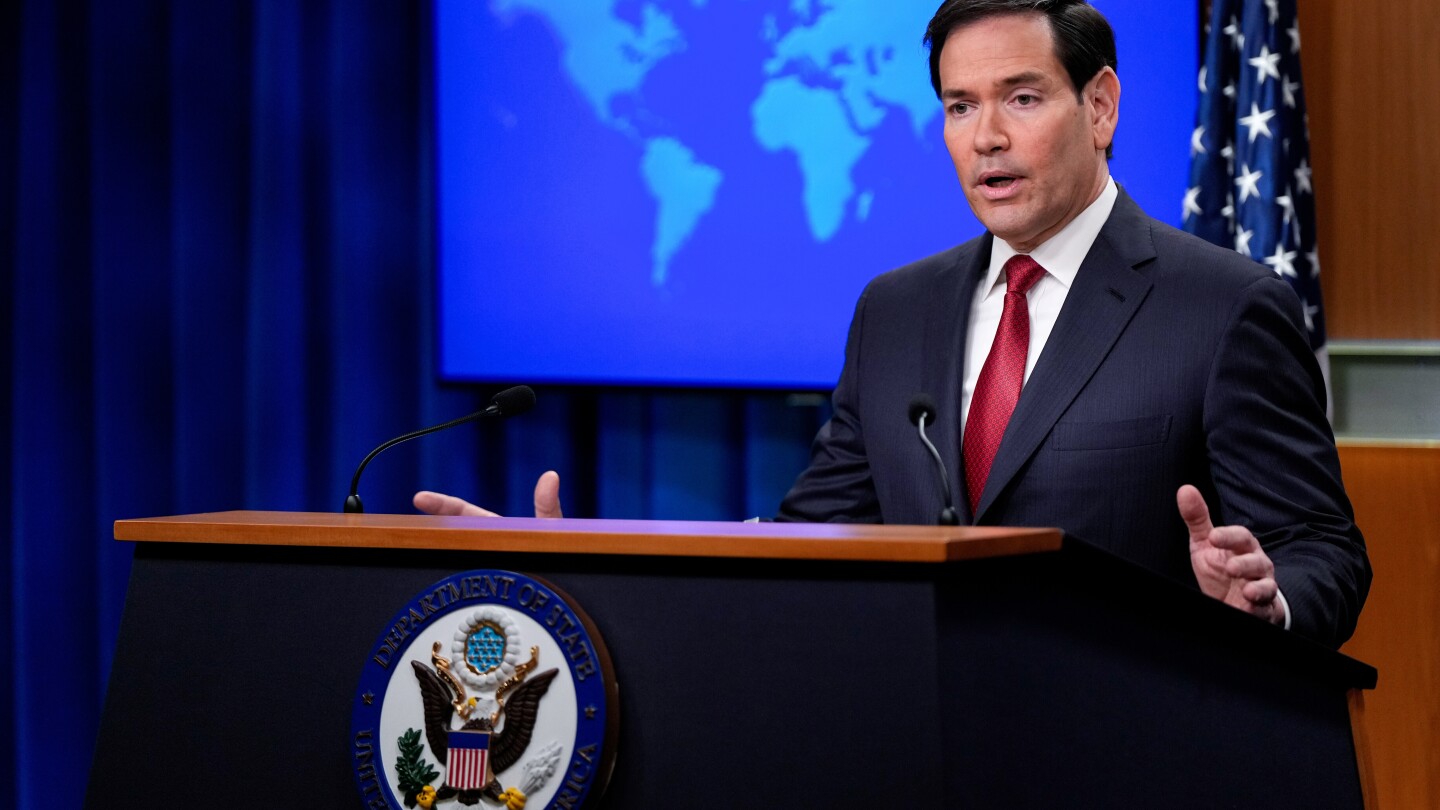
The U.S. government, through Secretary of State Marco Rubio, characterized the banned individuals as ‘radical activists’ and representatives of ‘weaponized’ non-governmental organizations allegedly pressuring American tech companies to censor U.S. viewpoints. The targeted Europeans include prominent figures from digital rights organizations and the architect of the EU’s Digital Services Act.
In an official statement, the European Commission strongly condemned the travel restrictions as unjustified measures and demanded immediate clarification from U.S. authorities. The EU executive branch emphasized its readiness to ‘respond swiftly and decisively’ to protect its regulatory autonomy against what it perceives as extraterritorial intimidation tactics.
French President Emmanuel Macron joined the condemnation, labeling the visa bans as coercive tactics aimed at undermining Europe’s digital sovereignty. Macron emphasized that the EU’s digital regulations were established through democratic processes involving all member states and the European Parliament, designed to ensure fair competition without targeting any specific nation.
The conflict stems from a new U.S. visa policy implemented in May that restricts entry for foreigners accused of facilitating censorship of protected speech. The banned individuals include Imran Ahmed (Centre for Countering Digital Hate), Josephine Ballon and Anna-Lena von Hodenberg (HateAid), and Clare Melford (Global Disinformation Index), alongside Breton.
Breton, who previously clashed with Elon Musk over content moderation policies, responded by noting that all 27 EU member countries unanimously supported the Digital Services Act in 2022. The legislation establishes comprehensive requirements for online platforms to address harmful or illegal content while maintaining a level playing field for all companies operating in the European digital market.