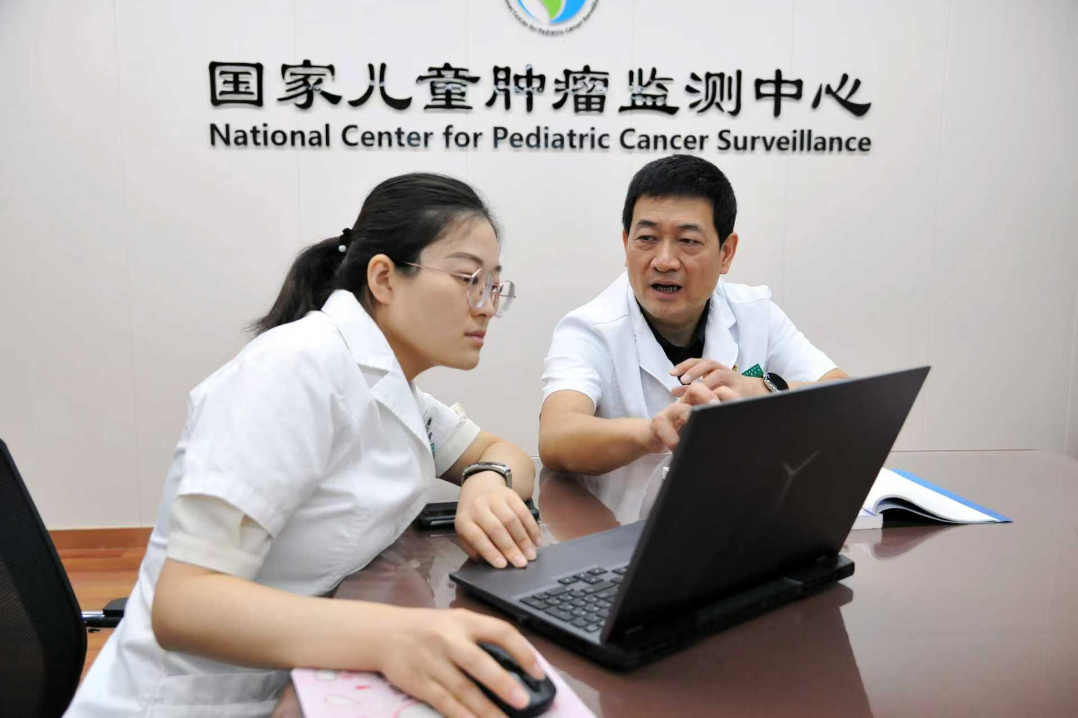
China has achieved a remarkable breakthrough in pediatric oncology care, with the nation’s five-year survival rate for childhood and adolescent cancers reaching 77.2% according to groundbreaking research published in The Lancet. The comprehensive study conducted by the National Center for Pediatric Cancer Surveillance (NCPCS) reveals unprecedented progress in China’s healthcare capabilities, with certain cancer types now demonstrating world-class treatment outcomes.
The extensive research, analyzing 95,189 cases diagnosed between 2018-2020, shows distinct variations across age groups and cancer types. Children under 14 years achieved a 77.8% survival rate, while adolescents aged 15-19 recorded 75.3%. Female patients showed marginally better outcomes than males across the study cohort.
Retinoblastoma emerged as the most successfully treated cancer with a 91.2% survival rate, contrasting with malignant bone tumors which presented the greatest challenge at 60.4%. Most significantly, China exceeded all expectations for the six high-priority cancers identified by the WHO’s Global Initiative for Childhood Cancer, achieving survival rates above 80% across all categories—far surpassing the WHO’s 60% target. The exceptional 93.8% survival rate for certain prioritized cancers demonstrates China’s capacity to match treatment outcomes of high-income nations.
Professor Ni Xin, director of NCPCS and president of Beijing Children’s Hospital, attributed this dramatic improvement to systemic healthcare reforms. “Compared with estimates from a decade ago, the five-year survival rate for cancer patients aged 0-19 in China has improved markedly,” Ni stated. “Particularly for common childhood cancers such as leukemia and lymphoma, progress has been significant. The survival rates for neuroblastoma, retinoblastoma, and Hodgkin lymphoma are now close to the levels seen in high-income countries.”
The transformation stems from China’s strategic investments in healthcare infrastructure, including enhanced inter-provincial medical billing systems, specialized policies for major disease treatment, standardized treatment protocols, and the development of a multi-center collaborative network encompassing 1,760 medical institutions across all 31 provincial-level regions.
This landmark study addresses a critical knowledge gap in China’s healthcare landscape, providing the first comprehensive nationwide data on pediatric cancer survival rates since the establishment of NCPCS in 2019. The findings not only demonstrate measurable progress in cancer care but also establish a new benchmark for ongoing monitoring and improvement of childhood cancer treatment outcomes in China.