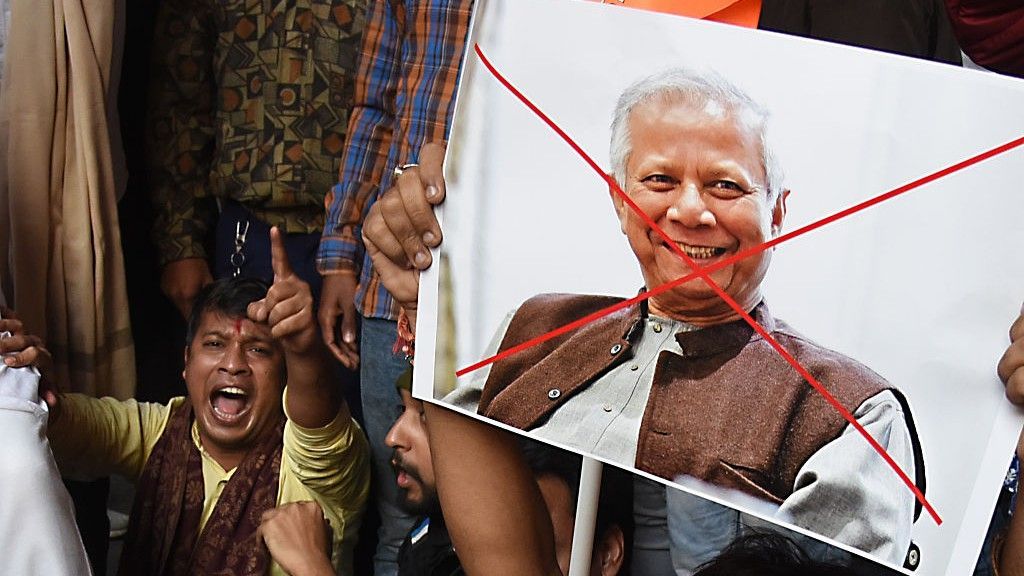
A brutal mob killing has ignited dangerous tensions between South Asian neighbors India and Bangladesh, testing their historically close relationship. The crisis began when Dipu Chandra Das, a 27-year-old Hindu garment worker from Bangladesh’s minority community, was lynched in Mymensingh following blasphemy accusations. His death occurred amid violent protests over the separate killing of prominent student leader Sharif Osman Hadi in Dhaka.
The incident has triggered reciprocal diplomatic actions, including visa service suspensions and security concerns over diplomatic missions. Both nations have summoned each other’s high commissioners as relations deteriorate to their lowest point in decades.
Compounding the tension, Hadi’s supporters allege the primary suspect—reportedly linked to deposed Prime Minister Sheikh Hasina’s Awami League—fled to India, fueling anti-India sentiment in Muslim-majority Bangladesh. Although Bangladeshi police haven’t confirmed this claim, it has amplified existing resentment toward India’s perceived influence.
The situation reveals deeper structural problems. Bangladesh’s interim government under Nobel laureate Muhammad Yunus faces criticism for failing to control rising religious extremism. Since Hasina’s ouster last year, radical elements have targeted minorities, desecrated Sufi shrines, and attacked cultural institutions accused of being pro-India.
Analysts warn that hardline factions are exploiting anti-India sentiment for political gain, with both sides’ media potentially exacerbating tensions. The crisis has raised fundamental questions about minority safety and pluralism in Bangladesh while challenging India’s regional security calculations.
With Bangladesh scheduled to hold elections on February 12th, and Hasina’s party banned from participating, experts caution that bilateral relations may deteriorate further unless diplomatic channels are restored and street anger contained.