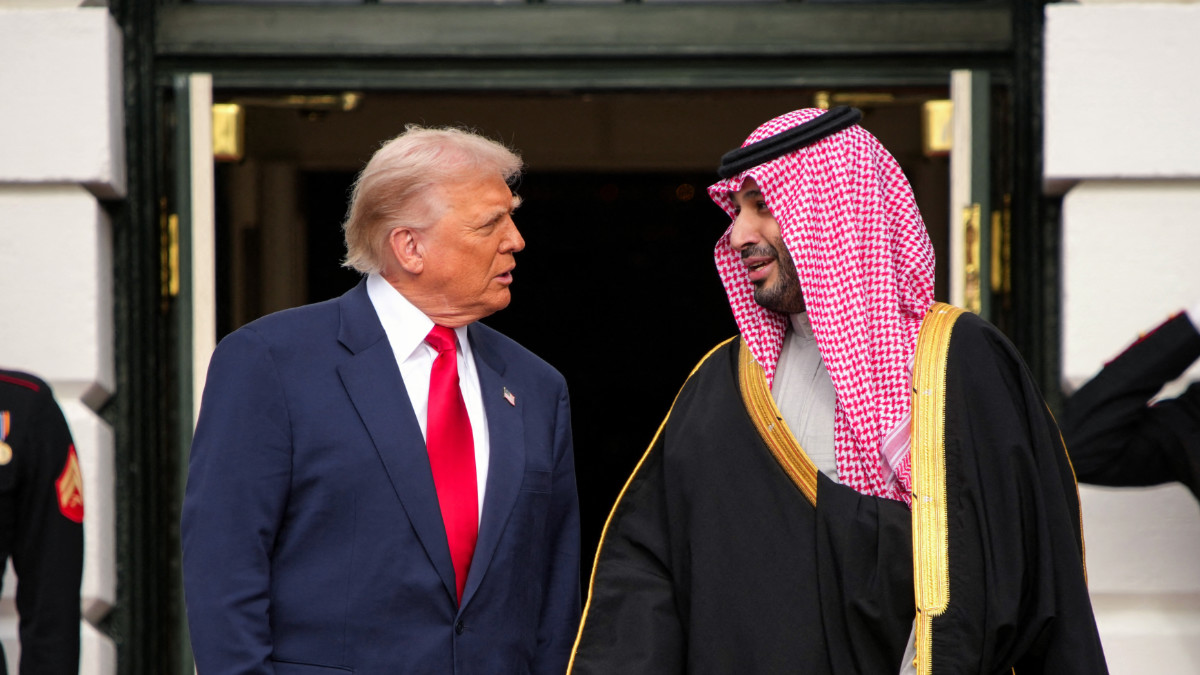
The Trump administration has initiated a comprehensive review of Israel’s Qualitative Military Edge (QME) as it contemplates major defense deals with Saudi Arabia and Qatar, according to sources familiar with the discussions. This strategic reassessment comes amid Israeli concerns that advanced weapons transfers to Gulf nations could fundamentally alter the regional military balance.
Multiple high-level meetings have taken place on Capitol Hill in recent weeks, involving senior U.S. military officials and members of key congressional committees including the Senate Foreign Affairs Committee and House Armed Services Committee. The discussions, described as closely guarded, center on potential arms packages that could include advanced F-35 fighter jets for both Saudi Arabia and Qatar.
A senior State Department official recently visited Israel specifically to address Jerusalem’s security concerns regarding these potential sales. This diplomatic engagement occurs ahead of an anticipated meeting between Israeli Prime Minister Benjamin Netanyahu and President Donald Trump in late December.
The administration’s consultation with lawmakers marks a notable departure from its typical approach to foreign policy decision-making, which has often bypassed congressional input. This shift appears calculated to secure necessary legislative support for any future arms agreements, as committee leadership can effectively block sales through informal holds.
President Trump has previously expressed support for providing “top of the line” military equipment to both Israel and Saudi Arabia, despite Israeli lobbying for less advanced versions for Gulf partners. The potential sales have raised particular concern in Israel, which has uniquely modified its F-35I Adir aircraft for extended-range missions, including demonstrated capabilities to reach Iran without refueling.
The QME concept, formally codified into U.S. law in 2008, mandates periodic assessment of arms sales to Arab states to ensure Israel maintains technological superiority. This policy framework originated from Cold War-era agreements and was strengthened through decades of U.S.-Israel defense cooperation.
Netanyahu has publicly reiterated his opposition to advanced weapons sales to Saudi Arabia while acknowledging discussions with U.S. officials about preserving Israel’s military advantage. The administration’s current review represents a critical test of how Washington balances its strategic relationships with multiple Middle Eastern allies amid evolving regional dynamics.