The United Kingdom has witnessed an unprecedented surge in counter-terrorism arrests since the proscription of direct-action network Palestine Action in July 2025, with official statistics revealing a 400% increase in charges under Section 13 terrorism powers compared to the entire period since 9/11.
According to Home Office data analyzed by Middle East Eye, authorities have charged 138 individuals under Section 13 of the Terrorism Act 2000 in the weeks following the ban—quadruple the 34 charges brought between 2001 and June 2025. The legislation, which prohibits displaying symbols supporting proscribed organizations, has become the primary tool used by London’s Metropolitan Police against protesters demonstrating outside Parliament.
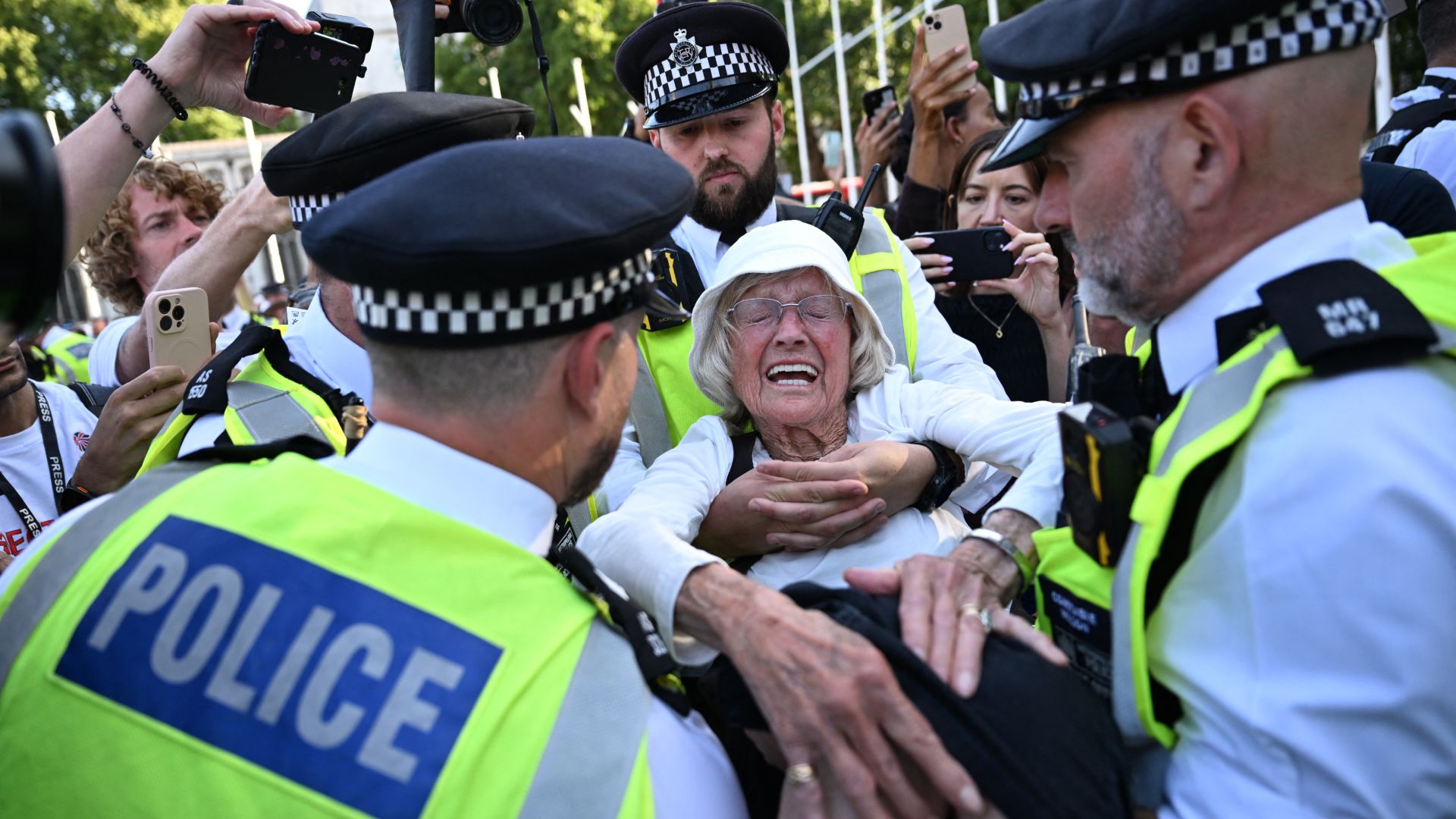
The dramatic escalation follows weeks of sustained protests across British cities, where police have made over 1,500 arrests related to opposition to the ban. Those detained have included religious leaders, elderly citizens, and disabled individuals holding signs stating: ‘I oppose genocide. I support Palestine Action.’
Human rights organizations including Amnesty International and Liberty have condemned the government’s approach as disproportionate, warning that terrorism charges—even without conviction—carry severe lifelong consequences including employment restrictions, travel limitations, and social stigma. United Nations Human Rights Commissioner Volker Türk characterized the ban as ‘disproportionate and unnecessary’ and potentially violating international human rights law.
The government maintains that the proscription remains ‘necessary and proportionate,’ with Security Minister Dan Jarvis asserting that similar measures would be applied to organizations motivated by Islamist extremism or right-wing ideology. New Home Secretary Shabana Mahmood has publicly endorsed police handling of the protests.
Meanwhile, the legal battle continues as Palestine Action co-founder Huda Ammori pursues a judicial review of the ban, while six organizers from campaign group Defend Our Juries face more serious Section 12 charges carrying potential nine-year sentences for organizing Zoom briefings about protests.
The developments have sparked unusual parliamentary dissent, with MPs across party lines—including some government supporters—questioning the enforcement approach against peaceful protesters expressing concerns about Palestinian rights and free speech.