A remarkable transformation is sweeping through American restaurants as establishments respond to the growing demographic of appetite-suppressed diners using GLP-1 medications. With approximately 12% of American adults now taking Ozempic, Wegovy, and similar pharmaceuticals, culinary venues are fundamentally reimagining portion sizes and pricing structures to accommodate changed consumption patterns.
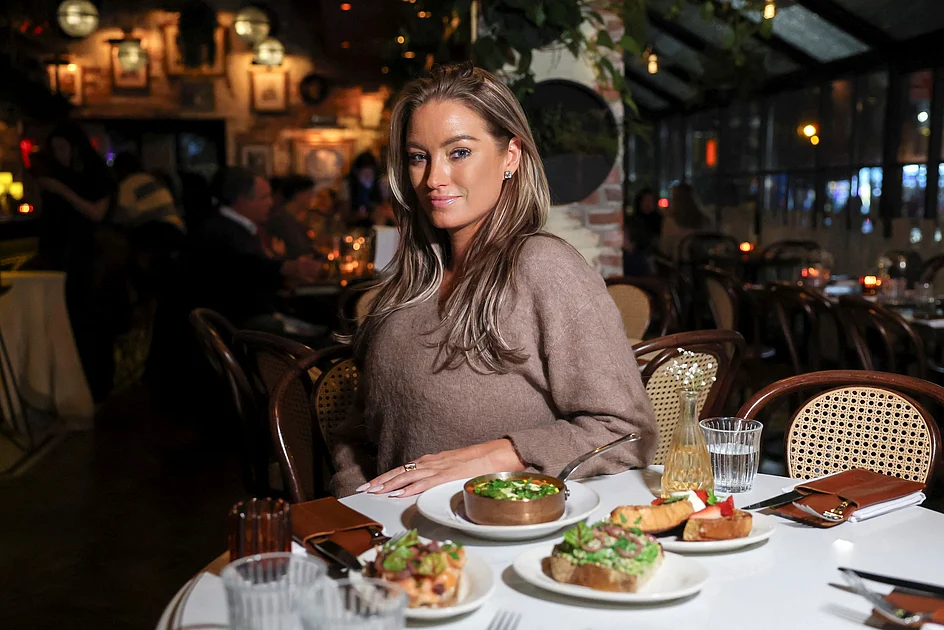
New York City’s dining scene exemplifies this shift, with establishments like Le Petit Village in Manhattan implementing reduced-portion menu items specifically designed for patrons experiencing suppressed hunger. The West Village restaurant has modified its brunch offerings, creating smaller versions of French toast and smoked salmon tartine that align with the diminished appetites of medication users.
This trend extends beyond Manhattan. Clinton Hall, with five locations across New York, has introduced its innovative “teeny-weeny mini meal”—featuring a bite-sized burger, modest fries, and a 3-ounce beverage selection—priced at just $8. Owner Aristotle Hatzigeorgiou developed this concept after observing dramatic changes in dining behavior and seeking to address both reduced consumption and financial constraints facing customers.
The pharmaceutical landscape continues to evolve rapidly, with Novo Nordisk recently receiving US approval for a pill-form version of Wegovy, potentially expanding accessibility to weight-loss medications. This development suggests the restaurant industry’s adaptation may represent a lasting transformation rather than a temporary trend.
Nutrition expert Marion Nestle, professor emerita at New York University, characterizes this phenomenon as a “vast human experiment” with profound sociocultural implications. While acknowledging the medications’ “miraculous” benefits for some, she notes the fundamental shift in how people relate to food—from pleasure source to potential adversary.
Beyond medication users, these portion adjustments benefit budget-conscious diners navigating inflationary pressures. Many customers have remarked that these smaller offerings resemble traditional portion sizes from decades past, suggesting a potential normalization of more moderate consumption patterns in American dining culture.
As restaurants consider expanding these offerings to dinner service and developing additional miniaturized dishes, the industry demonstrates remarkable adaptability in responding to both medical advancements and evolving consumer preferences in post-Super Size America.